
Best Pillows to Buy: Complete Guide & Reviews
Discover the best pillows with detailed analysis, types, materials & tips to choose the perfect one for your needs.
Choosing the right pillow can be the difference between waking up refreshed or with terrible neck pain. With so many options available - from goose down pillows to ergonomic models with advanced technology - the decision can seem overwhelming.
A good pillow isn't just about comfort - it needs to perfectly align your cervical spine, regulate temperature during sleep, and resist daily use without losing shape. Plus, it needs to suit your preferred sleeping position and fit your budget.
In this comprehensive guide, you'll discover the best pillows to buy, with detailed analysis of each type, essential selection criteria, and practical tips to make the right purchase.


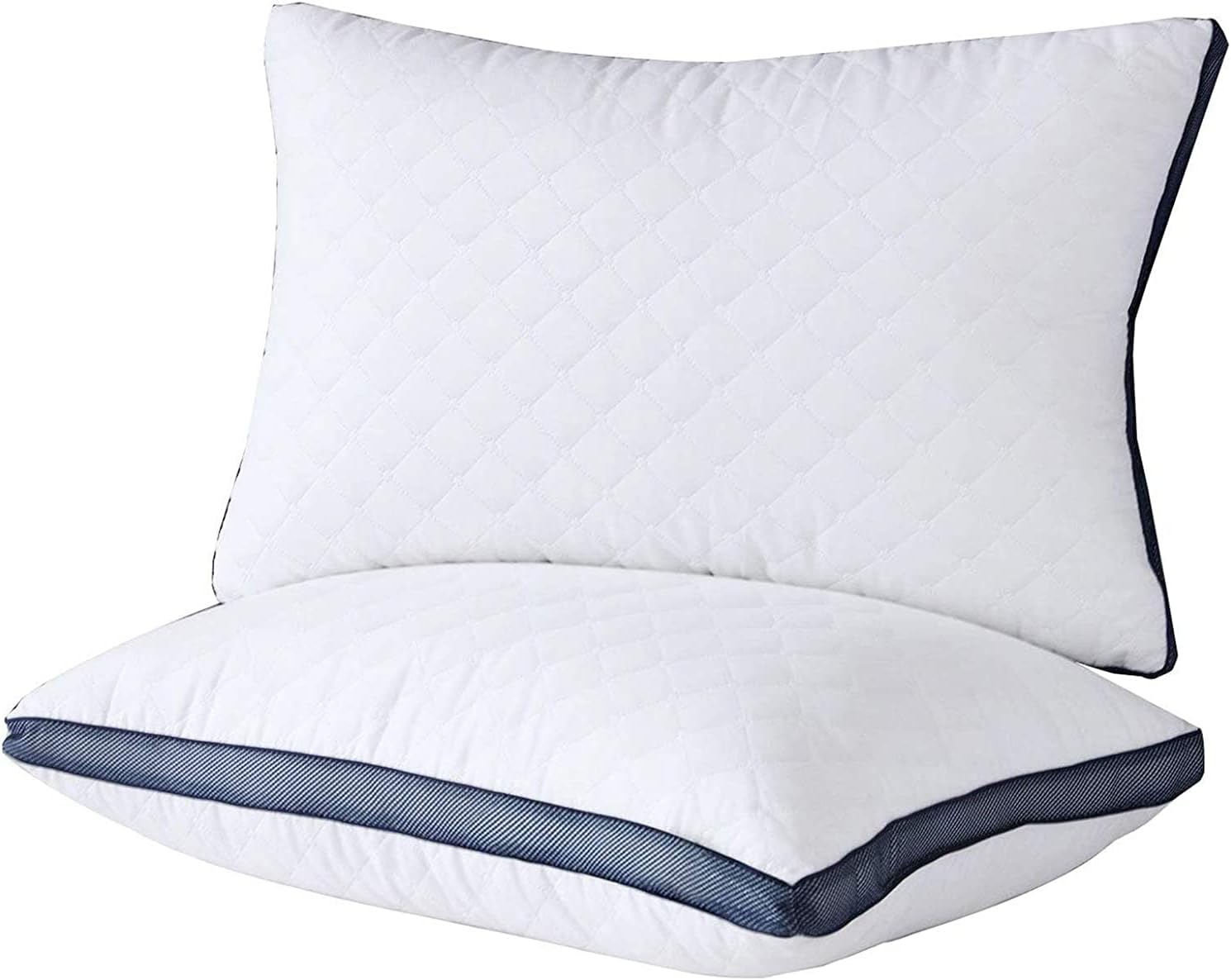


Table of Contents
- Why Choosing the Right Pillow Is Essential
- Main Types of Pillows Available
- Goose Down Pillows: Luxury and Comfort
- Synthetic Fiber Pillows: Practicality and Economy
- Memory Foam Pillows: Technology and Support
- How to Choose the Ideal Height and Firmness
- Pillows for Each Sleep Position
- Pillow Care and Maintenance
- Frequently Asked Questions
- Conclusion
Why Choosing the Right Pillow Is Essential
The quality of your sleep is directly related to the pillow you use every night. An inadequate pillow can cause neck pain, shoulder tension, snoring, and even insomnia. That's why investing in the right pillow is investing in your health and well-being.
The ideal pillow should maintain the natural alignment of your cervical spine, regardless of the position you sleep in. When your head is too high or too low, your spine goes out of proper alignment, causing muscle tension and pain.
Beyond adequate support, a good pillow needs to regulate temperature during sleep. Materials that retain too much heat can cause discomfort and interrupt your natural sleep cycle. That's why choosing the right material is as important as the shape and height.
Key benefits of the right pillow:
- Proper cervical spine alignment
- Reduced neck and shoulder pain
- Better sleep quality and duration
- Temperature regulation throughout night
- Reduced snoring and sleep apnea symptoms
- Improved overall posture
Durability is also a crucial factor. A quality pillow can last 3 to 10 years, depending on the material and care. Investing in a good quality model is cheaper in the long run than constantly replacing cheap pillows.
Main Types of Pillows Available
The pillow market offers an impressive variety of options, each with specific characteristics for different needs. Understanding the main types will help you make the most informed choice.
Down and feather pillows continue to be symbols of luxury and comfort. They're soft, moldable, and offer excellent thermal regulation. However, they may not be ideal for those with allergies or who prefer firmer support.
Synthetic fiber pillows, especially silicone-filled ones, offer an economical and practical alternative. They're hypoallergenic, machine washable, and maintain their shape longer than many natural options.
Memory foam pillows revolutionized the market with their ability to perfectly mold to the contours of your head and neck. They're ideal for those seeking personalized support and pressure point relief.
Natural latex pillows provide excellent support with natural resilience and hypoallergenic properties. They're extremely durable and eco-friendly but come at premium prices.
| Type | Comfort | Durability | Price | Best For |
|---|---|---|---|---|
| Goose Down | Excellent | 8-10 years | High | Luxury seekers |
| Synthetic Fiber | Good | 3-5 years | Low | Budget-conscious |
| Memory Foam | Very Good | 5-8 years | Medium-High | Pain relief |
| Natural Latex | Excellent | 10-15 years | High | Eco-conscious |
Goose Down Pillows: Luxury and Comfort
Goose down pillows are considered the gold standard when it comes to comfort and luxury. These pillows offer a unique sensation of softness and coziness, as if you were sleeping on a cloud.
Goose feathers have exceptional natural properties. They are thermoregulating, maintaining ideal temperature during sleep - warming in winter and cooling in summer. Additionally, they're extremely durable, able to maintain their characteristics for up to 10 years with proper care.
Different compositions are available: 100% feather pillows, 100% down pillows, or blends of both. Feathers offer more support and firmness, while down provides greater softness. The combination of both results in a perfect balance between comfort and support.
Goose down pillow advantages:
- Exceptional natural thermoregulation
- Incredibly soft and luxurious feel
- Molds to head and neck contours
- Quick shape recovery between position changes
- Long-lasting durability (8-10 years)
- Lightweight yet supportive
Goose down pillow disadvantages:
- Higher initial investment
- Requires professional cleaning
- Not suitable for some allergy sufferers
- May require fluffing to maintain loft
- Can be too soft for some preferences
For those with allergies, it's important to know that goose down pillows undergo special sanitization treatments that eliminate mites, fungi, and bacteria, making them hypoallergenic.
Synthetic Fiber Pillows: Practicality and Economy
Synthetic fiber pillows represent an excellent option for those seeking comfort, practicality, and affordable pricing. Made with polyester fibers treated with silicone, they reproduce the soft sensation of natural down.
The main advantage of these pillows is their ease of maintenance. You can wash them safely in the washing machine without worrying about special procedures. They dry quickly and maintain their properties even after multiple washes.
They're naturally hypoallergenic and resistant to mites, fungi, and bacteria. This makes them a safe choice for people with respiratory allergies or sensitivities. Additionally, they don't retain odors and are free of harmful substances.
Synthetic fiber pillow advantages:
- Machine washable for easy maintenance
- Naturally hypoallergenic
- Quick drying time
- Excellent value for money
- Good shape recovery
- Available in various firmness levels
Synthetic fiber pillow disadvantages:
- Shorter lifespan (3-5 years)
- May flatten over time
- Less breathable than natural materials
- Can retain heat in warmer climates
- May develop lumps with heavy use
Silicone fiber offers good flexibility and shape recovery capability. When you press the pillow, it quickly returns to its original format, ensuring consistent support throughout the night.
Memory Foam Pillows: Technology and Support
Memory foam pillows, also known as viscoelastic foam, represent the most advanced sleep technology available. Originally developed by NASA, this foam reacts to body heat and perfectly molds to your contours.
The great advantage of memory foam is its ability to evenly distribute the weight of the head and neck, eliminating pressure points. This results in better blood circulation and significant reduction of cervical pain.
These pillows are especially recommended for people who suffer from neck pain, shoulder tension, or cervical spine problems. The personalized support helps maintain proper spine alignment throughout the night.
Memory foam pillow advantages:
- Perfect contouring to head and neck
- Excellent pressure point relief
- Ideal for chronic pain sufferers
- Maintains shape without fluffing
- Reduces motion transfer
- Available with cooling gel technology
Memory foam pillow disadvantages:
- Can retain heat without cooling features
- Initial chemical smell (off-gassing)
- Heavier than other pillow types
- Cannot be machine washed
- Takes time to adjust to firmness
- Higher price point
Many modern models come with additional technologies, like cooling gel that helps regulate temperature, or perforations that improve ventilation. These innovations solve the historical problem of memory foam retaining heat.
The durability of memory foam pillows is excellent, lasting 5 to 8 years while maintaining their properties. Although the initial investment is higher, the cost per year of use becomes quite attractive.
How to Choose the Ideal Height and Firmness
Pillow height and firmness are fundamental aspects that many people ignore, but they make all the difference in sleep quality. A pillow that's too high or too low can misalign your cervical spine, causing pain and discomfort.
The ideal pillow height depends mainly on your preferred sleep position and body type. People who sleep on their side generally need higher pillows (between 12 and 15 cm) to fill the space between the shoulder and head.
Those who sleep on their back need medium height (between 8 and 12 cm) to maintain the natural curvature of the neck. For stomach sleepers, low pillows (between 5 and 8 cm) are more suitable to avoid neck hyperextension.
Height selection guide:
- Side sleepers: 12-15cm (high)
- Back sleepers: 8-12cm (medium)
- Stomach sleepers: 5-8cm (low)
- Combination sleepers: Adjustable or medium height
Firmness also varies according to your needs. People with frequent cervical pain generally benefit from firm or extra firm support pillows. Those seeking more comfort can opt for medium or soft support models.
Firmness preferences:
- Soft: Light sleepers, stomach position
- Medium: Most back and side sleepers
- Firm: Heavy individuals, chronic pain sufferers
- Extra Firm: Specific medical recommendations
It's important to remember that some pillows allow height adjustments, like those with removable filling. This flexibility can be useful for finding the perfect configuration for your body.
Pillows for Each Sleep Position
Your preferred sleep position is the most important factor in choosing the ideal pillow. Each position requires specific characteristics of height, firmness, and shape to ensure proper cervical spine alignment.
Side Sleepers
For side sleepers (the most common position), the pillow needs to be higher and firmer to fill the space between the shoulder and head. Memory foam or goose down pillows with height between 12-15 cm are ideal.
The goal is to keep the head aligned with the spine. Look for pillows with gusset construction or contoured designs that provide extra support under the neck while cradling the head.
Best pillow types for side sleepers:
- Firm memory foam with contoured design
- High-loft down or down alternative
- Adjustable shredded foam
- Cervical support pillows
Back Sleepers
For back sleepers, medium height pillows (8-12 cm) with medium firmness are more suitable. They should support the natural curvature of the neck without pushing the head too far forward.
Contoured or cervical models are excellent options that provide extra support under the neck curve while allowing the head to rest slightly lower.
Best pillow types for back sleepers:
- Medium-loft memory foam
- Cervical contour pillows
- Medium-firm down alternative
- Water-based adjustable pillows
Stomach Sleepers
For stomach sleepers (the least recommended position), very low (5-8 cm) and soft pillows are necessary to avoid neck hyperextension. Some specialists recommend even sleeping without a pillow in this position.
Consider switching positions if possible, as stomach sleeping can strain the neck and spine regardless of pillow choice.
Best pillow types for stomach sleepers:
- Extra-soft down alternative
- Thin memory foam
- Soft microfiber
- No pillow (with supportive mattress)
It's important to note that many people change positions during the night. In this case, a pillow that adapts well to different positions, like memory foam or down ones, might be the best choice.
Pillow Care and Maintenance
Keeping your pillow clean and well-maintained not only extends its lifespan but also ensures a healthier sleep environment. Different materials require specific care, so it's important to know the best practices for each type.
Synthetic Fiber Pillow Care
For synthetic fiber pillows, maintenance is quite simple. You can wash them in the machine with warm water and mild detergent. Use the delicate cycle and do an extra rinse to remove all soap residue.
Dry completely in the dryer or in the sun, shaking occasionally to distribute the filling. Add tennis balls to the dryer to help maintain loft and prevent clumping.
Washing tips:
- Wash every 2-3 months
- Use mild, liquid detergent
- Double rinse cycle
- Dry on low heat with tennis balls
- Fluff daily to maintain shape
Goose Down Pillow Care
Goose down pillows require more care. Wash them every 6 months in large capacity machines or take them to a specialized laundry. Use mild soap and avoid fabric softeners.
Drying should be done on low temperature with tennis balls to keep the feathers loose. Ensure complete drying to prevent mold development.
Special care instructions:
- Professional cleaning recommended
- Spot clean when possible
- Air out weekly in sunlight
- Fluff daily to redistribute down
- Store in breathable cotton bags
Memory Foam Pillow Care
Memory foam pillows generally cannot be machine washed. Only clean the removable cover and treat stains on the foam with a damp cloth and mild soap.
Let it dry completely in the open air, avoiding direct sun exposure which can degrade the foam. Spot clean immediately to prevent stain setting.
Maintenance guidelines:
- Never machine wash foam
- Wash covers weekly
- Spot clean with mild soap
- Air dry completely
- Vacuum regularly to remove dust
General Pillow Care Tips
Regardless of the type, always use washable protective covers under the pillowcase. They create a barrier against sweat, body oils, and mites. Change and wash these covers weekly along with your bedding.
Daily pillow airing is also important. Let it "breathe" without a pillowcase for a few hours, preferably in a ventilated place. This helps eliminate moisture accumulated during the night and prevents the development of fungi and bacteria.
| Pillow Type | Washing Frequency | Method | Drying | Lifespan |
|---|---|---|---|---|
| Synthetic Fiber | Every 2-3 months | Machine, delicate cycle | Low heat dryer | 3-5 years |
| Goose Down | Every 6 months | Large machine or professional | Low heat with tennis balls | 8-10 years |
| Memory Foam | Do not wash | Spot cleaning only | Air dry | 5-8 years |
| Latex | Do not wash | Clean with damp cloth | Natural ventilation | 10-15 years |
Frequently Asked Questions
What is the best pillow for neck pain?
Memory foam pillows are best for neck pain as they mold to your contours, evenly distribute weight, and eliminate pressure points. Look for cervical or contoured designs with medium-firm support.
How often should I replace my pillow?
Replace synthetic fiber pillows every 3-5 years, memory foam every 5-8 years, and goose down every 8-10 years. Signs include lost shape, lumps, persistent odors, or waking with neck pain.
What pillow height should I choose?
Side sleepers need 12-15cm high pillows, back sleepers need 8-12cm medium height, and stomach sleepers need 5-8cm low pillows to maintain proper spine alignment.
Are goose down pillows worth the investment?
Yes, goose down pillows offer exceptional comfort, natural temperature regulation, and 8-10 year durability. They're ideal for those valuing luxury, natural materials, and long-term investment.
Can I wash my memory foam pillow?
No, don't machine wash memory foam pillows. Only wash removable covers and spot clean the foam with damp cloth and mild soap. Air dry completely avoiding direct sunlight.
How do I know if my pillow is too high or too low?
If you wake with neck pain, your pillow may be too high or low. Your head should align with your spine - not tilted up or down. The "fold test" helps: fold the pillow in half; if it springs back quickly, it's still supportive.
Are expensive pillows really better?
Not always, but quality materials often cost more. Expensive pillows typically offer better durability, superior materials, and advanced features. Consider cost per year of use rather than initial price alone.
Conclusion
Choosing the ideal pillow transforms your sleep quality and overall well-being. If you seek luxury and maximum comfort, goose down pillows offer natural thermal regulation, exceptional durability, and incomparable softness. For practicality and value, synthetic fiber pillows provide easy maintenance and hypoallergenic properties at affordable prices.
Memory foam pillows are unbeatable for specific problems like cervical pain, offering personalized support and pressure point relief. Consider your preferred sleep position, possible allergies, ease of maintenance, and available budget when making your decision.
To complement your rest environment, also consider investing in a good box spring bed and improving your bedroom lighting. This way, you'll create the perfect environment for truly restorative nights. Invest in your sleep - your body and mind will thank you every morning!