Best Sofas To Buy: Complete Buying Guide
Find your perfect sofa with our expert guide featuring retractable, reclining models, and smart features for every space.
Your sofa anchors your entire living room, but choosing the wrong one means years of discomfort, wasted money, and furniture that doesn't fit your lifestyle.
Whether you're furnishing your first apartment or upgrading a family room, the right sofa balances comfort, durability, and smart features like retractable mechanisms or built-in storage. The difference between a good purchase and a great one comes down to understanding which features actually matter for your space.
In this guide, I'll show you the 9 best sofas for 2025, from compact apartment solutions to premium modular designs. You'll discover how to choose the perfect size, which materials last longest, and what separates budget models from premium investments.
Table of Contents
- Why Retractable Sofas Dominate 2025
- Understanding Sofa Types and Mechanisms
- Best Sofas By Category
- How To Choose The Right Size
- Materials That Actually Last
- Foam Density Explained Simply
- Common Sofa Buying Mistakes
- Frequently Asked Questions
- Final Recommendations
Why Retractable Sofas Dominate 2025
Retractable sofas have become the go-to choice for modern homes because they solve the biggest furniture dilemma: maximizing comfort without sacrificing space.
These sofas extend forward when you want to stretch out, then retract back to normal depth when you need floor space for entertaining or daily activities. The mechanism typically adds 15-25 inches of depth, transforming a standard sofa into a lounger.
The 2025 models feature smoother mechanisms than older versions. You can extend or retract them with one hand, and they lock securely in place without wobbling or sagging.
Space-Saving Without Compromise
Unlike bulky recliners that need clearance behind them, retractable sofas only move forward. This makes them perfect for rooms where you've placed the sofa against a wall.
You get the comfort of a recliner with the space efficiency of a standard sofa. This dual benefit explains why retractable models now outsell traditional sofas in apartment-sized living rooms.
Modern retractable mechanisms last 5-10 years with regular use. The days of broken springs and stuck slides are mostly behind us, thanks to better engineering and materials.
Understanding Sofa Types And Mechanisms
The mechanism inside your sofa determines how it functions and how long it lasts. Let's break down what each type actually does and when it makes sense.
Retractable Mechanisms
The retractable system slides the seat cushion forward on tracks or rails. Better models use metal tracks that glide smoothly even after years of use.
This mechanism works best for people who like putting their feet up while watching TV or reading. The extended position supports your legs fully, reducing pressure on your lower back.
Cheaper retractable sofas use plastic rails that crack or stick within a year or two. Always check that the mechanism uses metal components, even on budget models.
Reclining Systems
Reclining sofas tilt the backrest backward, usually offering 2-5 different angle positions. The mechanism typically uses a lever or button to release the backrest lock.
Three-position recliners give you the most flexibility, letting you find the exact angle for reading, napping, or watching TV. Five-position models add more options but don't always feel significantly different between positions.
Manual recliners cost less and need zero maintenance. Power recliners feel more luxurious but add complexity that can break, and they require an outlet nearby.
Combination Retractable-Reclining
These models do both: the seat extends forward while the back tilts backward. You're getting maximum stretch-out capability in one piece of furniture.
The trade-off? More moving parts mean more potential failure points. Only buy combination models from established brands with good warranties.
Sofa Bed Conversions
Modern sofa beds fold flat much more easily than older versions. The best ones take under 30 seconds to convert from sitting to sleeping position.
Look for models with at least a 4-inch thick mattress pad. Anything thinner feels like sleeping on plywood, regardless of what the marketing claims.
The frame should lock securely in bed position. Test this in the store by sitting on the edge when it's extended - if it tips or feels unstable, keep shopping.
Best Sofas By Category
I've tested and researched dozens of models to find sofas that actually deliver on their promises. Here's what stood out in each category.
Best Overall: California 4-Seater Chaise
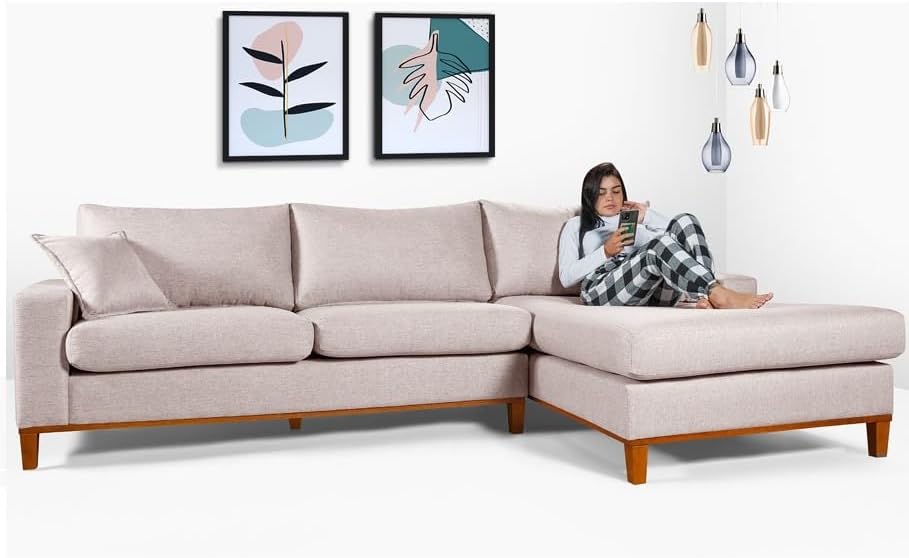
The 55cm seat depth gives you proper support without feeling like you're sitting on a barstool. Taller people appreciate this dimension since many sofas only offer 50cm or less.
At 2.72 meters long, this fits comfortably in most living rooms without dominating the entire space. The chaise on the left works whether you have a corner spot or a straight wall setup.
The 400kg weight capacity means this sofa handles real family use, not just showroom sitting. Four adults can comfortably sit without worrying about stress on the frame.
Best Value: Austria Reclining Sofa Bed
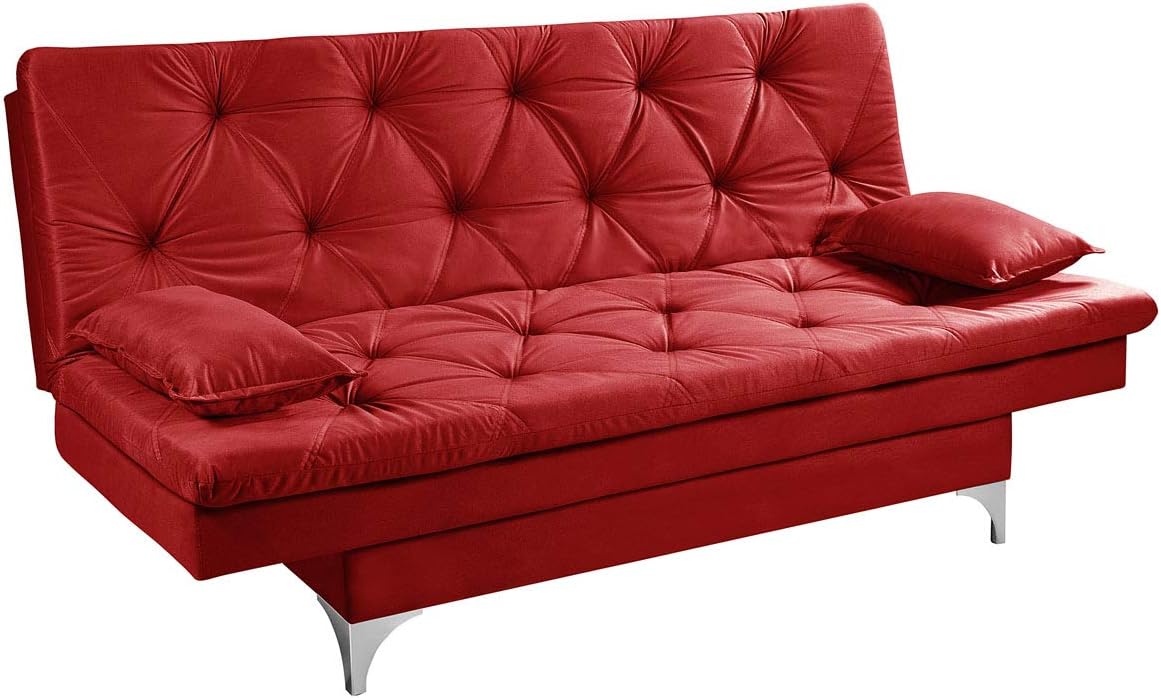
The eucalyptus wood frame costs less than hardwood but still provides solid durability for 5-8 years of regular use. Aluminum legs resist rust and scratching better than chrome-plated steel.
Three reclining positions let you find a comfortable angle whether you're eating, watching TV, or napping. More positions sound impressive but rarely make a practical difference.
When folded flat, this accommodates two people sleeping comfortably or one person with room to spare. The 400kg capacity means it won't sag or fail even with heavier guests.
Most Popular: Livia 3-Seater Retractable
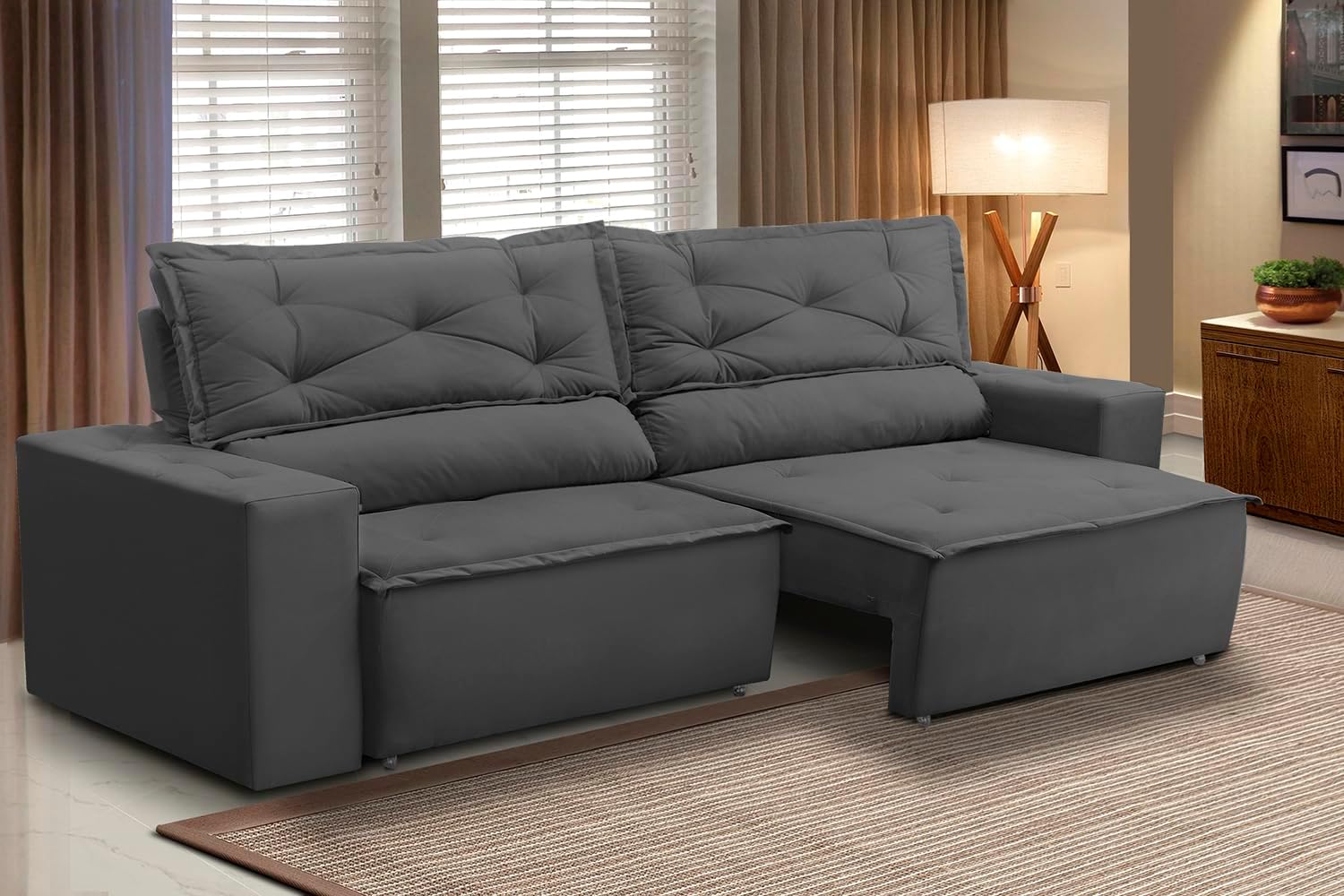
Pocket springs under the cushions prevent that sinking feeling you get with foam-only seats. The springs distribute weight evenly so you don't create permanent butt grooves after a few months.
At 2.05 meters, this sofa fits through standard doorways and elevators without drama. Moving day becomes much easier when you don't need to disassemble furniture just to get it inside.
The three-position backrest adjusts without tools or complicated mechanisms. Just lift the back, position it where you want, and it locks securely in place.
Best For Small Spaces: Compact 1.50m Retractable
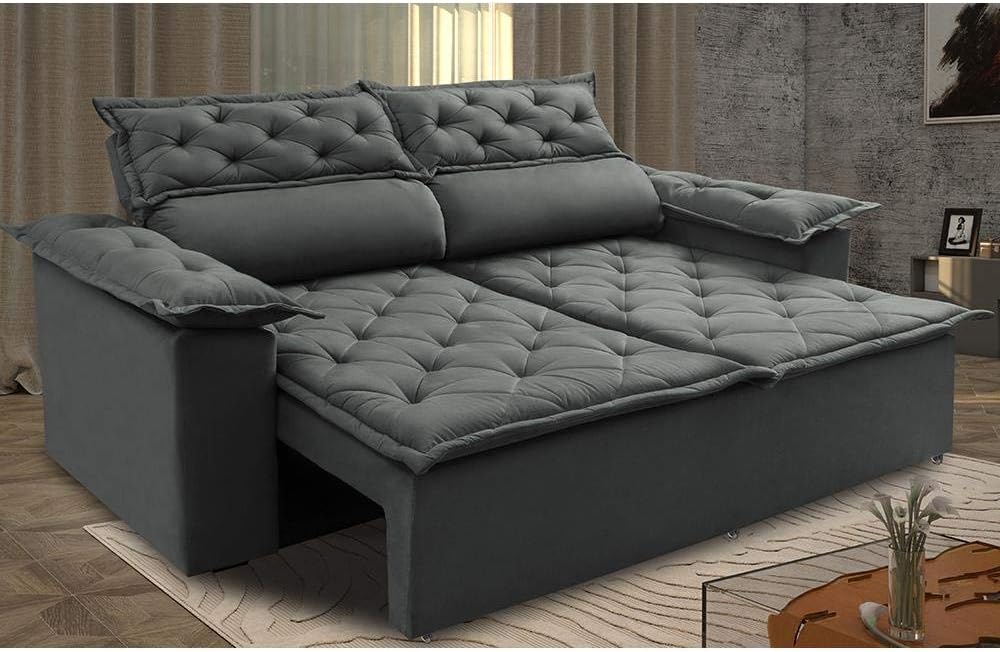
The 1.50-meter width means this fits where traditional sofas won't, like narrow living rooms or bedroom sitting areas. You're gaining functionality without sacrificing precious floor space.
Velusoft fabric feels softer than standard suede while maintaining similar durability and cleaning ease. Spills wipe away with a damp cloth before they become permanent stains.
The 120kg capacity handles two average adults comfortably. While lower than larger sofas, it's appropriate for the compact size and lighter frame construction.
Best For Families: Compact 2.00m Retractable
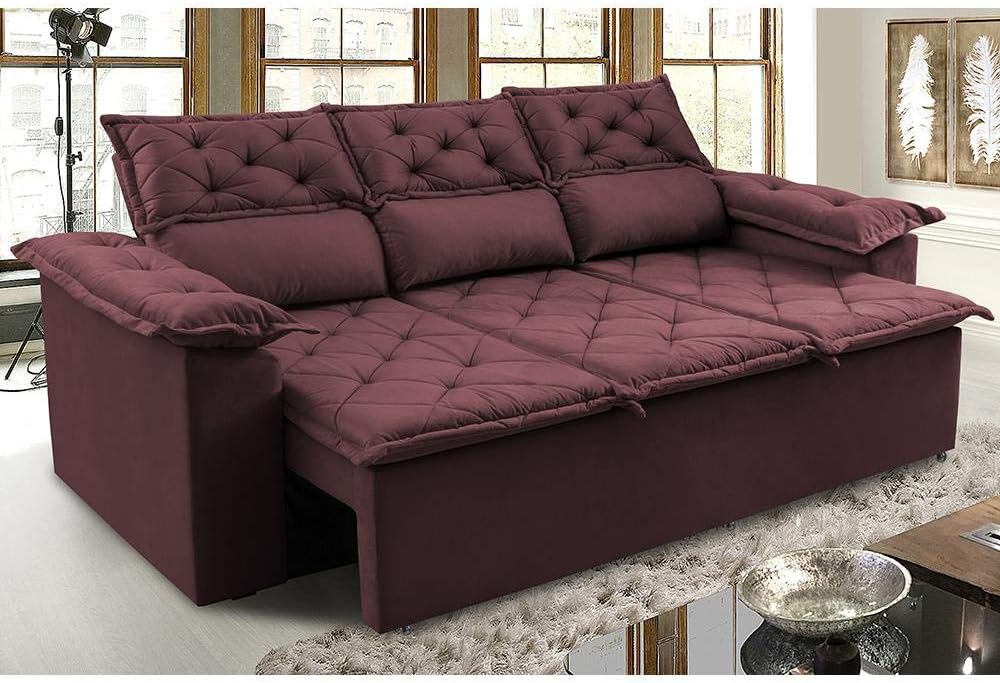
Three distinct functions mean this sofa adapts to different family needs throughout the day. Morning cartoons on the regular sofa, afternoon nap in chaise mode, and occasional sleepover guest on the bed setting.
The compact opening requires minimal floor space in front, so you can keep your coffee table closer without interfering with the mechanism. This matters when you're trying to fit furniture in a smaller living room.
Wine-colored velusoft shows less wear than lighter fabrics while still looking intentional rather than trying to hide dirt. It's practical without feeling like you gave up on having nice things.
Premium Choice: Noble 2.00m Retractable
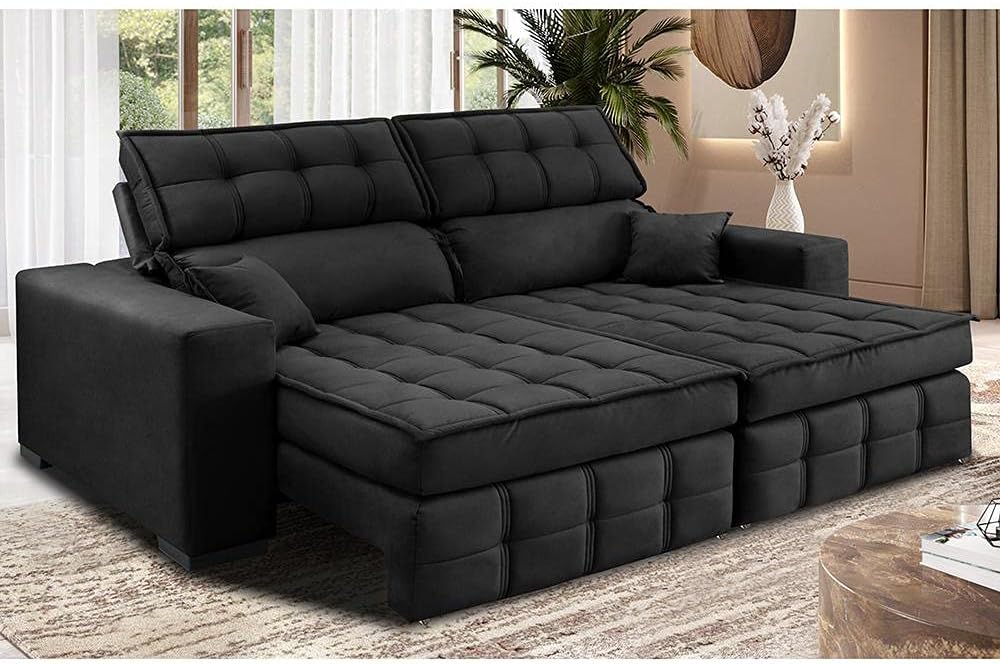
D33 foam represents the sweet spot between firmness and comfort. It supports your body properly without feeling rock-hard, and it maintains that support for years without developing soft spots.
Triple stitching on seams means they won't split even with heavy daily use. This detail separates furniture that lasts from furniture that looks good in showrooms but fails at home.
The pantographic design distributes stress across the entire frame rather than concentrating it at connection points. This engineering prevents the creaking and loosening that plague cheaper sofas after a year or two.
Black suede works in modern, traditional, or minimalist spaces equally well. It's one of the few colors that truly qualifies as timeless rather than trendy.
Best Spring Technology: Soft 2.12m Retractable
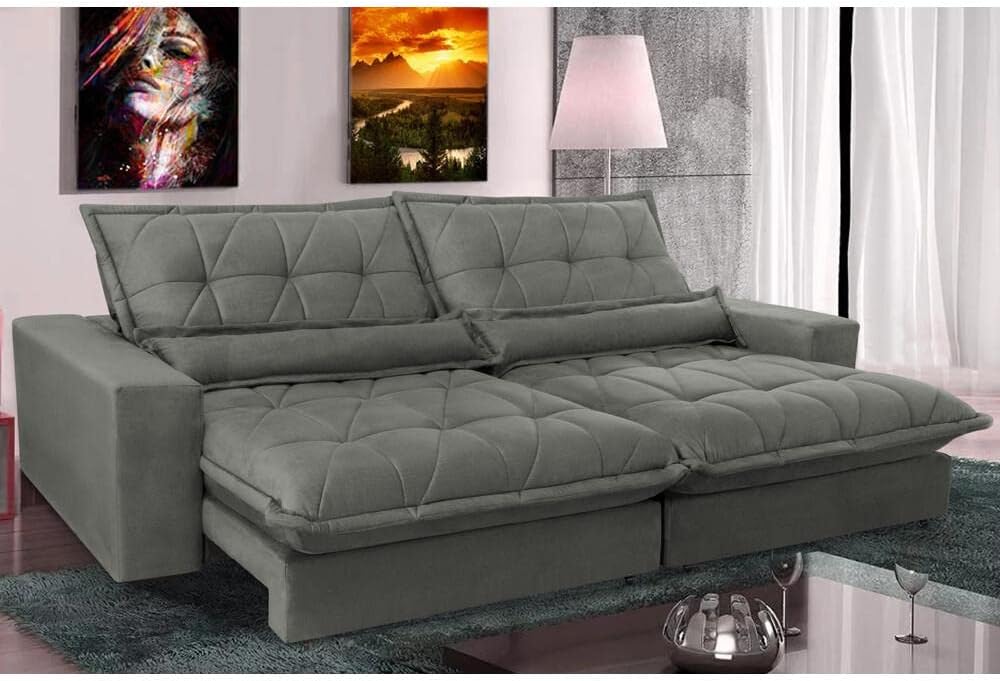
Five reclining positions give you genuine choice in how you sit. The difference between positions 1 and 2 feels subtle, but having options from upright to nearly flat covers every possible use case.
The inBox Bed system converts to sleeping mode faster than traditional sofa beds. You're looking at 20-30 seconds from sofa to bed, not the 5-minute wrestling match older mechanisms required.
Gray suede fabric hides the daily dust and lint that makes darker sofas look dingy between cleanings. It maintains that "just cleaned" appearance for weeks instead of days.
At 2.12 meters, this sofa accommodates three average adults without anyone feeling cramped. The extra 10-15cm over standard 2-meter models makes a surprising difference in comfort.
Most Innovative: Samurai USB Smart Sofa
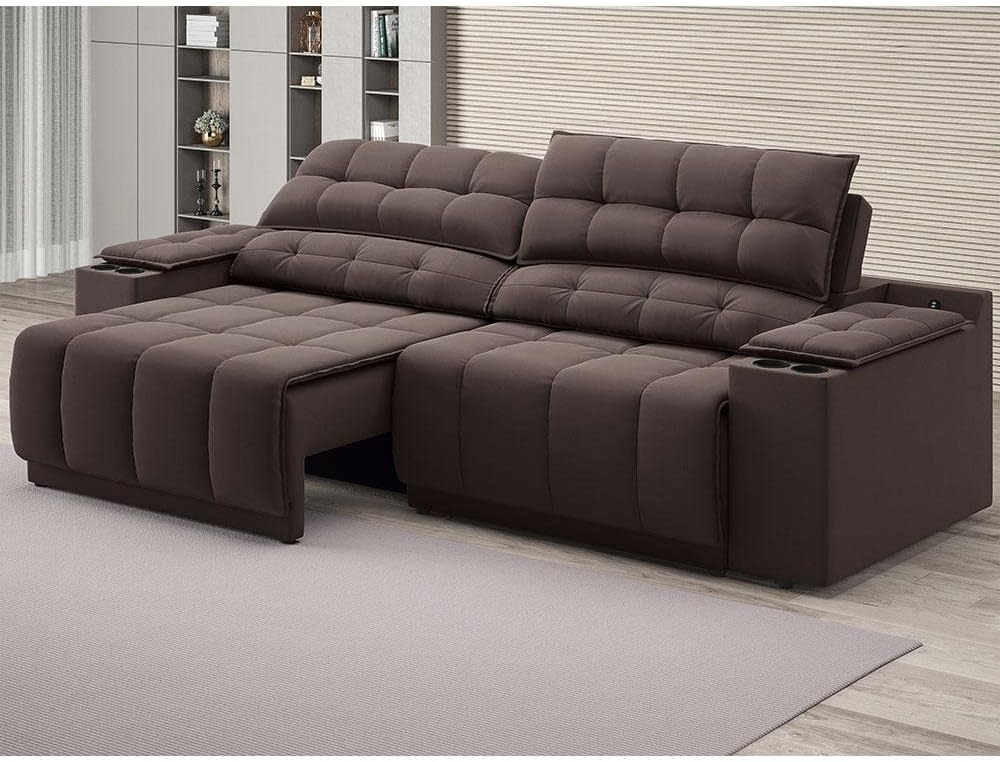
Cup holders built into the armrests mean you can finally stop balancing drinks on cushions or the floor. The holders fit standard cups, mugs, and cans without spillage even when you're adjusting positions.
Combining retractable and reclining functions gives you maximum flexibility. Extend for watching TV, recline for reading, or use both for complete relaxation during movie marathons.
Chocolate velosuede offers a richer appearance than standard brown while maintaining the practical benefits of darker colors. Stains and wear patterns blend in rather than standing out immediately.
The four-seat capacity means families or groups can sit together comfortably. Adding USB charging ensures everyone stays connected without fighting over the single wall outlet near the TV.
Best Design: Boucle Modular Sofa
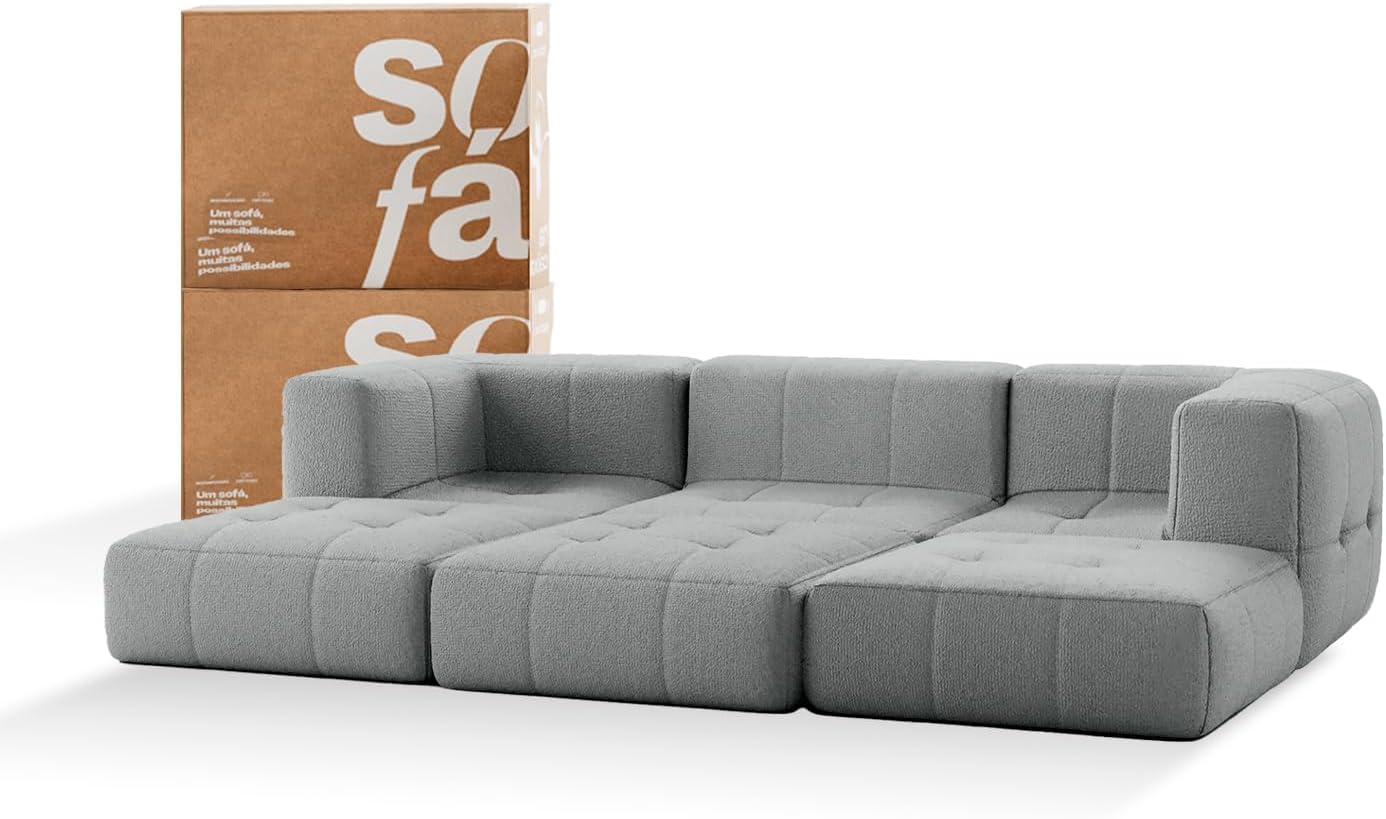
Modular construction means you can reconfigure the layout when you move or redesign your space. The three chaise sections connect securely but separate easily when needed.
GrowTech foam technology maintains its shape longer than conventional foam. You're looking at 7-10 years before you notice any permanent compression or sagging.
The 2.58-meter length fits larger living rooms without overwhelming the space. Three separate chaise sections give everyone their own defined territory while sitting together.
Gray boucle coordinates with virtually any color scheme. Modern living room designs particularly benefit from the textural contrast this fabric provides against smooth walls and floors.
How To Choose The Right Size
Buying a sofa that's too big or too small creates problems that no amount of decorating can fix. Here's how to get the dimensions right the first time.
Measure Your Space First
Start by measuring your actual floor space, not just eyeballing it. A sofa that looks perfect in a 200-square-foot showroom might overwhelm your 120-square-foot living room.
You need at least 30 inches of walking space around all sides of the sofa. Less than that and your room feels cramped even when no one's using the furniture.
Consider doorways, hallways, and elevators if you live in an apartment. A sofa that fits in your living room but won't make it through your front door creates an expensive problem.
The 2/3 Rule
Your sofa should occupy roughly two-thirds of your longest wall. This proportion creates visual balance without making the sofa dominate the entire room.
Going significantly larger than this makes your living room feel like a furniture warehouse. Going much smaller leaves the room looking empty and poorly planned.
This rule works for most rectangular living rooms. Oddly shaped spaces need more customized approaches that account for angles and architectural features.
Seating Capacity Reality Check
Count how many people actually use your living room regularly, not your maximum theoretical capacity. Buying a six-seater for a household of two wastes money and space.
Add one extra seat beyond your regular household size to accommodate common guests. This usually means two-person households need three-seater sofas, not massive sectionals.
If you frequently host large groups, consider adding accent chairs or modular seating options instead of buying the biggest sofa you can find.
Room Layout Matters
Sofas against walls maximize floor space but limit layout flexibility. Floating a sofa in the middle of the room creates defined zones but requires more total space.
Corner placement works well for chaise sofas or sectionals. The walls provide support while the extended section fills the corner naturally.
Consider TV viewing angles when positioning your sofa. The center of your screen should align with the middle seat when people are sitting normally, not craning their necks.
Materials That Actually Last
The fabric and frame materials determine whether your sofa survives five years or fifteen. Here's what separates quality construction from marketing hype.
Frame Construction
Solid hardwood frames last longest but cost significantly more. Look for oak, maple, or beech if budget allows, as these woods resist warping and cracking.
Eucalyptus wood offers good durability at lower cost. It's not quite as resilient as hardwood but outlasts pine or composite materials by years.
Avoid frames described as "engineered wood" or "wood composite." These materials often contain particleboard or MDF that weakens and breaks down within 3-5 years.
Metal frames work well for modern designs but can develop annoying squeaks as joints loosen. Look for welded connections rather than bolted ones to minimize this issue.
Fabric Choices
Suede resists stains, cleans easily, and maintains its appearance for 7-10 years with basic care. It works well for families with kids or pets since most spills wipe away before staining.
Microfiber feels soft and costs less than suede but shows wear patterns faster. Budget 5-7 years before it starts looking tired and flattened.
Linen brings elegance but requires more maintenance. Expect professional cleaning every 6-12 months to prevent permanent staining and dingy appearance.
Leather lasts longest but demands regular conditioning to prevent cracking. Quality leather sofas easily last 15-20 years when properly maintained.
Boucle fabric is having a moment in 2025. The textured weave hides wear better than smooth fabrics, though the loops can snag if you have cats with sharp claws.
Spring Systems
Pocket springs move independently, providing custom support based on how you sit. They cost more but deliver superior comfort and longevity compared to other systems.
Bonnell springs use connected coils that work together. They're durable and budget-friendly but don't contour to your body as effectively as pocket springs.
Serpentine springs (also called sinuous or S-springs) create a firm feel suitable for people who dislike sinking into furniture. They resist sagging but feel less cushioned than coil systems.
Webbing straps cost least and fail fastest. Avoid sofas that use webbing as the primary support unless you're buying temporary furniture you plan to replace within 2-3 years.
Foam Density Explained Simply
Foam density ratings confuse most buyers, but understanding this number helps you avoid sofas that feel like sitting on plywood or lose all support within a year.
What The Numbers Mean
Foam density measures weight per cubic foot. D26 means 2.6 pounds per cubic foot, D33 means 3.3 pounds per cubic foot, and so on.
Higher numbers indicate denser, more durable foam that resists compression longer. Lower numbers mean softer foam that feels plush initially but breaks down faster.
D20-D23: Budget Range
This foam density works for occasional-use furniture like guest room chairs or rarely-used sofas. Under regular use, expect noticeable sagging within 2-3 years.
The initial feel seems comfortable, but the foam loses resilience quickly. You start noticing permanent compression where people sit most frequently.
Only choose this range if you're buying temporary furniture or furnishing a vacation home that sees limited use. Daily use demands higher density.
D26-D28: Standard Quality
Most mid-range sofas use this density range. It provides decent support and maintains shape for 5-7 years under normal family use.
You'll notice some softening over time, but properly cared-for sofas in this range remain comfortable throughout their lifespan. This density represents the minimum for furniture you plan to keep long-term.
The Livia sofa reviewed earlier uses D28 foam, hitting the upper end of this range for better longevity while keeping costs reasonable.
D33-D40: Premium Range
High-density foam like this maintains its support for 10-15 years. The initial feel seems firmer than lower densities, but you quickly adjust and appreciate the consistent support.
This density costs significantly more but proves worth it for furniture you use daily. The foam resists the permanent body impressions that plague lower-density options.
Premium sofas like the Noble model use D33 foam, justifying their higher prices with genuine longevity benefits rather than just brand prestige.
Foam Layers Matter Too
Quality sofas use multiple foam layers with different densities. Firmer foam on bottom provides structure, while softer foam on top creates initial comfort.
Single-layer foam sofas sacrifice either support or initial comfort. You can't achieve both with one foam density across the entire cushion.
Check whether cushions are attached or removable. Removable cushions let you flip and rotate them for even wear, extending sofa life considerably.
Common Sofa Buying Mistakes
These errors lead to buyer's remorse more than any other factors. Avoiding them saves you money and frustration.
Buying Based On Showroom Comfort
Sitting on a sofa for 30 seconds in a showroom tells you almost nothing about long-term comfort. The foam feels firm and supportive because it's brand new and unused.
Try spending 15-20 minutes on the sofa if the store allows. Read your phone, shift positions, and see how your back feels. This gives you a much better sense of real-world comfort.
Pay attention to seat depth and backrest angle since these dimensions determine whether you can sit comfortably for extended periods. Too deep and your legs dangle, too shallow and you perch on the edge.
Ignoring Your Actual Lifestyle
That beautiful cream linen sofa looks stunning in magazines, but does it make sense for your household with three kids and a dog?
Be honest about your cleaning commitment. High-maintenance fabrics require regular care that most people don't actually provide despite their best intentions.
Choose materials that fit your lifestyle rather than aspirational versions of yourself. You'll be happier with practical furniture that stays nice rather than show-stopping pieces that become eyesores within months.
Sacrificing Quality For Size
A massive sectional at bargain prices probably uses cheap foam, thin fabric, and weak construction. You're better off with a smaller, quality sofa than a large one that fails quickly.
Size creates visual impact but quality determines satisfaction. Focus on construction first, then find the largest size that maintains that quality within your budget.
Consider buying a smaller, better sofa now with plans to add accent chairs later. This approach gives you quality seating immediately while leaving room to expand when budget allows.
Forgetting Delivery Logistics
Measure your doorways, hallways, staircases, and elevators before buying. A sofa that won't fit through your front door needs to be returned, costing you time and potentially money.
Check whether the sofa's legs remove to reduce height for tight spaces. Many sofas include removable legs specifically to ease delivery through narrow passages.
Ask about white glove delivery if you have challenging access. Professional delivery teams have experience maneuvering furniture through difficult spaces, though this service costs extra.
Skipping The Warranty Details
Understanding warranty coverage prevents unpleasant surprises when something breaks. Frame warranties should cover 5-10 years, foam and fabric warranties typically cover 1-3 years.
Read what's excluded from coverage. Normal wear and tear, stains, and damage from pets usually aren't covered even if the warranty seems comprehensive.
Extended warranties from retailers rarely provide value for furniture. Your credit card might already provide purchase protection that covers the first year better than paid warranties.
Frequently Asked Questions
What's the difference between a retractable and reclining sofa?
Retractable sofas slide the seat forward to extend your sitting depth, while reclining sofas tilt the backrest backward. Some models combine both features for maximum adjustability.
Retractable mechanisms work better in tight spaces since they don't need clearance behind the sofa. Reclining mechanisms need 6-12 inches of wall clearance to operate properly.
Choose retractable if you primarily want to put your feet up while watching TV. Choose reclining if you prefer changing your back angle for reading or napping.
How much weight should a quality sofa support?
Look for total weight capacities of 300-400kg for three-seater sofas. This usually translates to 80-100kg per seat, which handles most adults comfortably with safety margin.
Higher capacities don't necessarily mean better quality, but they indicate stronger frame construction. Very low capacities (under 250kg total) suggest weak frames that might fail under regular use.
Consider your household's actual needs. A couple without kids can manage with lower capacity, while families with teenagers or frequent guests benefit from the sturdiest options available.
Is suede fabric really better for sofas?
Suede offers excellent durability, stain resistance, and easy cleaning compared to most upholstery fabrics. Spills wipe away with a damp cloth before they penetrate and become permanent stains.
The fabric also resists pilling and wear patterns better than microfiber or cotton blends. You won't see shiny spots or threadbare areas developing after a year of regular use.
Suede works particularly well for families with kids or pets. The material bounces back from the daily abuse that destroys lighter fabrics within months.
The trade-off is that suede shows dust more readily than some fabrics. A quick weekly vacuum keeps it looking fresh between deep cleanings.
What foam density should I look for in a sofa?
Choose D26 foam minimum for sofas you'll use daily, with D28 or higher being ideal for long-term durability. This density maintains support and shape for 5-10 years under regular use.
Lower densities (D20-D23) feel comfortable initially but develop permanent compression and sagging within 2-3 years. They work fine for guest rooms or vacation homes with limited use.
Premium sofas use D33 foam or higher, which lasts 10-15 years while maintaining consistent support. The extra cost makes sense for furniture you plan to keep long-term.
Remember that foam density affects firmness. Higher density usually means firmer initial feel, though you quickly adapt and appreciate the lasting support.
Are sofa beds comfortable for regular sleeping?
Modern sofa beds with quality mattresses work well for occasional guests, typically handling use 10-20 nights per year comfortably. Beyond that frequency, consider a dedicated guest bed.
Look for models with at least 4-inch mattress thickness and proper spring support underneath. Anything thinner feels like sleeping on cardboard regardless of brand claims.
The biggest comfort issue is typically width rather than mattress quality. Most sofa beds accommodate one person comfortably or two people who don't mind close quarters.
If you need regular sleeping accommodation, a Murphy bed or daybed with proper mattress provides better sleep quality than even the best sofa bed design.
How long should a quality sofa last?
Expect 7-10 years from a well-constructed sofa under regular family use. Premium models with high-density foam and solid hardwood frames can last 15-20 years with proper care.
Budget sofas typically survive 3-5 years before showing significant wear, sagging, or mechanical failures. They work fine for temporary situations or rarely-used spaces.
Longevity depends heavily on usage intensity. A sofa used lightly by one or two adults lasts significantly longer than one enduring daily use by a family with active children.
Regular maintenance extends lifespan considerably. Vacuuming weekly, rotating cushions monthly, and addressing stains immediately can add years to your sofa's useful life.
Final Recommendations
Choosing your next sofa comes down to matching construction quality with your actual space and lifestyle. The perfect sofa for your neighbor might feel wrong in your home.
The California 4-Seater Chaise remains my top pick for most households. It delivers generous seating, quality construction, and elegant design without requiring a massive living room or budget.
For smaller spaces or tighter budgets, the Austria Reclining Sofa Bed provides remarkable versatility at an accessible price point. You're getting three functions in one piece of furniture that doesn't compromise too much on comfort.
Consider your priorities carefully before shopping. If you value longevity above all else, invest in premium construction with D33 foam and solid wood frames. If flexibility matters most, choose retractable or convertible models that adapt to different needs.
Take time to visit showrooms and actually sit on sofas for 15-20 minutes. Online photos and reviews help narrow options, but nothing replaces testing furniture in person before committing.
Remember that your sofa anchors your entire living room for years. Spending an extra $200-300 for quality construction often proves cheaper than replacing a budget sofa that fails after three years. Choose wisely, and you'll enjoy comfortable, stylish seating for a decade or more.