Robot vs Traditional Vacuum: Which Is Better?
Compare robot and traditional vacuums. Analysis of prices, pros, cons & which to choose for your home.
Thinking about ditching the broom for a vacuum cleaner, but can't decide between a robot vacuum or a traditional one? You're definitely not alone in this dilemma! With so many options from basic $50 models to smart robots costing $2,000+, the decision can feel overwhelming.
Over the past few years, I've tested dozens of vacuum models - both traditional and robotic - and I can guarantee you one thing: there's no one-size-fits-all answer. The best choice depends on your lifestyle, home type, budget, and most importantly, your expectations about cleaning.
In this comprehensive guide, I'll show you the key differences between robot and traditional vacuum cleaners, analyze the pros and cons of each type, and help you figure out which makes more sense for your situation.

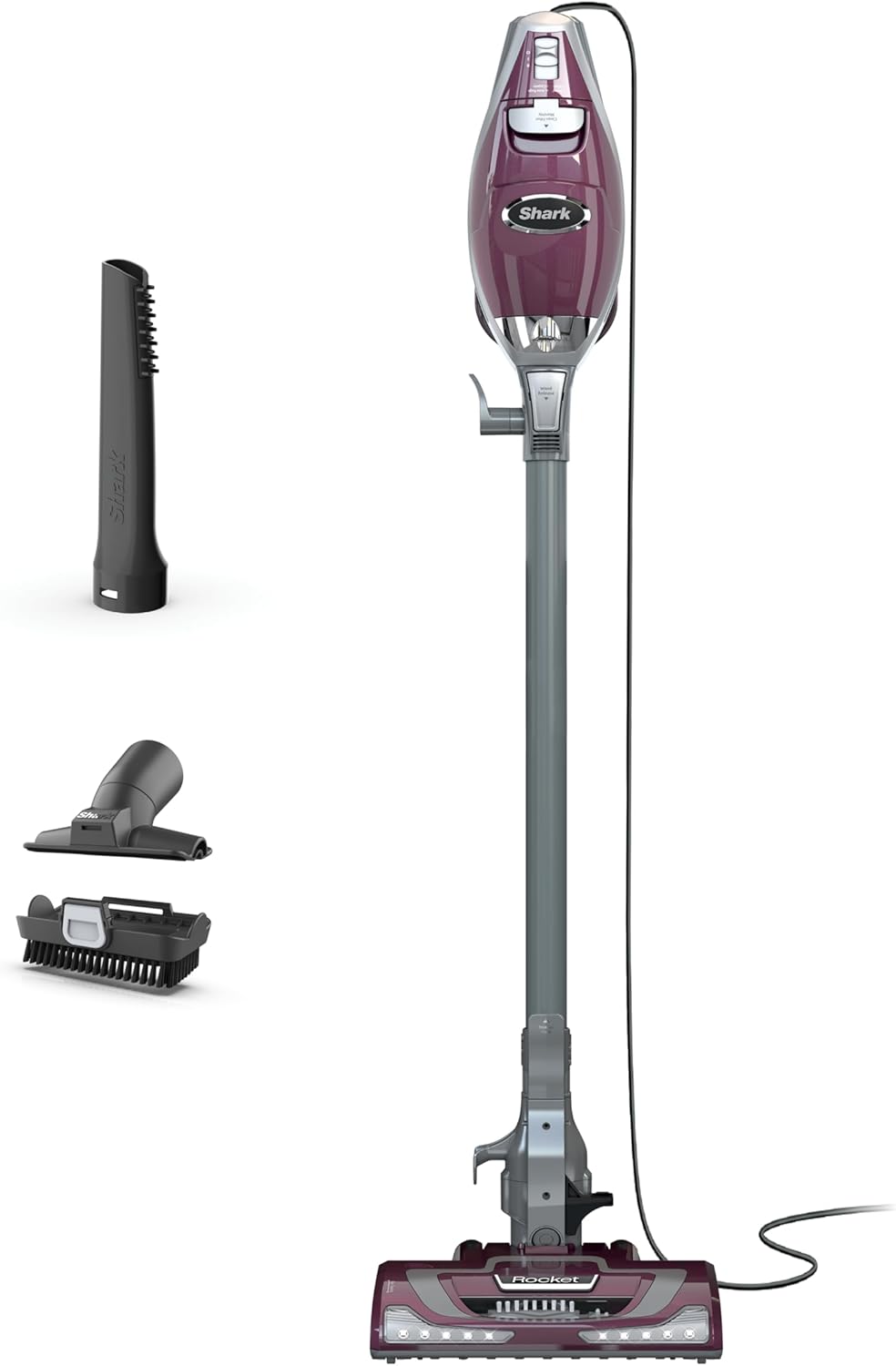


Table of Contents
- What Are Traditional Vacuum Cleaners
- What Are Robot Vacuum Cleaners
- Head-to-Head Comparison
- Power and Cleaning Efficiency
- Autonomy and Convenience
- Cost-Effectiveness and Pricing
- Which Type Is Better for Your Home
- Maintenance and Durability
- Which to Choose: Decision Guide
- Frequently Asked Questions
- Conclusion
What Are Traditional Vacuum Cleaners
Traditional vacuum cleaners are those familiar models we all know. They fall into three main categories: canister, upright, and handheld. Each type has its own characteristics and specific uses.
Canister Vacuums
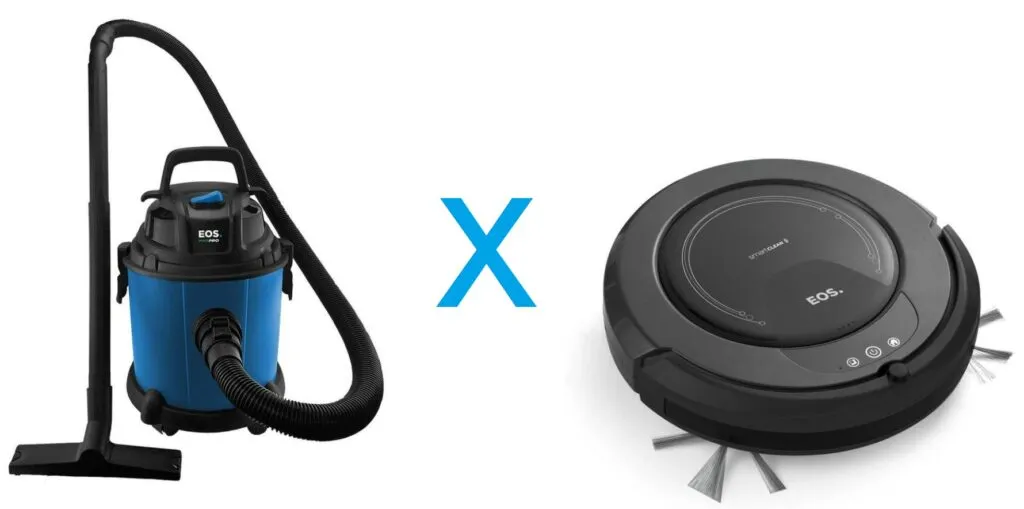
Canister models are the most traditional and powerful. They sit on the floor while you pull them around via a flexible hose. They're ideal for heavy-duty cleaning and large spaces, as they typically have greater storage capacity (up to 1 gallon) and superior power.
For versatile cleaning needs, models like the Shark Navigator Lift Away offer excellent performance and versatility for various home sizes.
Canister vacuum advantages:
- Superior suction power (1,200-1,600W)
- Large dust capacity (0.5-1 gallon)
- Excellent for carpets and heavy debris
- Various attachments for different surfaces
- Long cleaning reach
Upright Vacuums
Upright vacuums have gained significant popularity in recent years for being more ergonomic and user-friendly. They reduce physical strain since you don't need to bend over as much, and many models offer 2-in-1 functionality - a regular upright vacuum plus a removable handheld unit.
Models like the Shark Rocket Deluxe Pro are excellent for most American homes, especially those with a mix of hardwood floors and carpeting that's common in suburban houses.
Upright vacuum advantages:
- Ergonomic design reduces back strain
- All-in-one unit for easy storage
- Great for large carpeted areas
- 2-in-1 versatility in many models
- Wide cleaning path covers more area
Handheld Vacuums
Handheld vacuums are compact and ideal for specific cleaning tasks: upholstery, curtains, car interiors, tables, and countertops. They don't replace a main vacuum but are excellent as supplements.
The Bissell Featherweight Stick is a great example of a lightweight option that can handle quick cleanups efficiently.
Handheld vacuum advantages:
- Lightweight and portable
- Perfect for quick cleanups
- Excellent for car interiors
- Easy storage in small spaces
- Affordable supplementary option
What Are Robot Vacuum Cleaners
Robot vacuums represent the technological evolution in home cleaning. They're small autonomous devices that navigate through your house independently, vacuuming floors without requiring human intervention.
How They Work
Robot vacuums use smart sensors to map the environment, avoid obstacles, and detect dirt. More advanced models create 3D maps of your home and allow you to schedule specific times and areas for cleaning.
The autonomous navigation combines multiple technologies working together. Sensors continuously scan the environment while algorithms determine the most efficient cleaning paths, ensuring complete coverage without missing spots.
Types of Sensors
- Obstacle sensors: Prevent collisions with furniture
- Cliff sensors: Prevent falls down stairs
- Dirt sensors: Detect areas needing extra attention
- LIDAR: Create precise environment maps (premium models)
- Camera-based navigation: Visual mapping for advanced models
Connectivity and Intelligence
Modern models offer smartphone app control, scheduling capabilities, and even integration with voice assistants like Alexa and Google Home. Some advanced robots are compatible with smart home systems and offer features like targeted cleaning and automatic return to base.
Smart features in modern robots:
- Room-specific cleaning schedules
- No-go zones and virtual boundaries
- Multi-floor mapping and memory
- Automatic dirt disposal (premium models)
- Real-time cleaning progress tracking
- Voice control integration
If you're interested in creating a fully automated home environment, you might also want to explore smart home devices that can work together with your robot vacuum for ultimate convenience.
Head-to-Head Comparison: Traditional vs Robot
Now let's get to what matters: what's the real difference between these two types of vacuum cleaners? I've prepared a detailed analysis of the main aspects you should consider.
Noise Level
One of the biggest differences is noise. Traditional vacuum cleaners can reach 94dB - a pretty high level that can disturb neighbors and family members. Robot vacuums, on the other hand, operate in the 60-68dB range, making them much quieter.
In practical terms, this means you can let the robot run while you work from home, watch TV, or even during the night without major disturbances. Traditional vacuums essentially halt all other activities during use.
Coverage Area
Traditional vacuum cleaners have greater vertical reach - they can clean from floor to curtains and ceilings. However, they have limitations accessing low and tight spaces where furniture meets the floor.
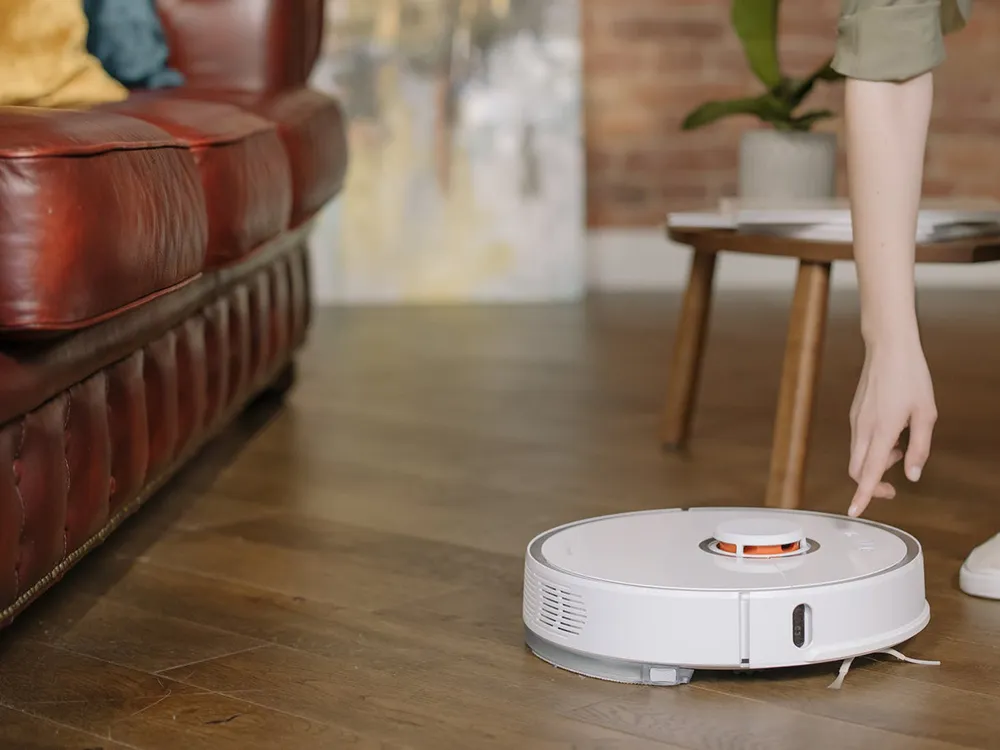
Robot vacuums, on the other hand, are specialists in hard-to-reach areas. At just 3-4 inches tall, they go under beds, sofas, and furniture where you probably never managed to clean properly with a regular vacuum.
Flexibility of Use
Here traditional vacuum cleaners have the advantage. They clean multiple surfaces: floors, carpets, upholstery, curtains, and even car interiors. Many models also handle liquids with wet/dry functionality.
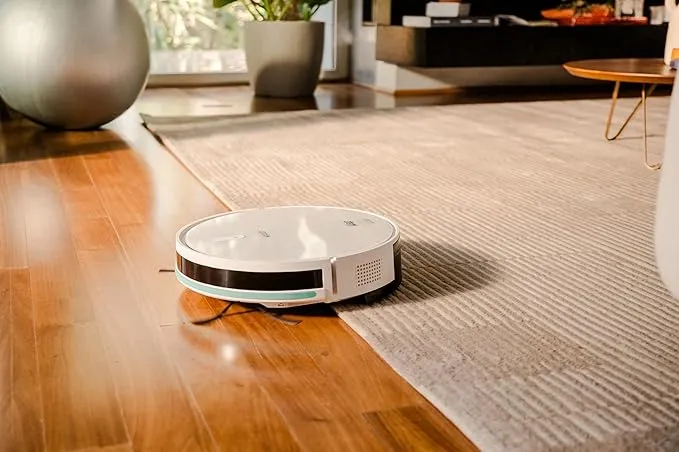
Robots are more limited - they focus mainly on hard floors and low-pile carpets. Some advanced models also mop, but still have less versatility overall compared to the multi-surface capabilities of traditional models.
Power and Cleaning Efficiency
When we talk about suction power, traditional vacuum cleaners still reign supreme. They can remove heavy dirt, larger debris, and pet hair much more efficiently from various surfaces.
Traditional Vacuums: Brute Force
Traditional models, especially canisters, work with powers between 1,000W and 1,600W. This power is essential for:
- Removing embedded dirt from carpets
- Sucking up pet hair stuck to upholstery
- Cleaning larger debris like crumbs and dirt
- Vacuuming liquids (wet/dry models)
- Deep cleaning high-pile carpets
The immediate satisfaction of seeing dirt disappear is unmatched with traditional vacuums. You can tackle tough messes in minutes that would take a robot multiple passes or be impossible to handle.
Robots: Consistent vs Intensive Cleaning
Robot vacuums work with lower powers (typically 20-40W), but compensate with frequency and consistency. Instead of one intense weekly cleaning, they do light daily cleanings that prevent dirt accumulation.
In practice, a house cleaned by a robot daily can be cleaner than a house vacuumed intensively once a week. Dirt doesn't have time to accumulate, pet hair is removed before it embeds, and dust never builds up to noticeable levels.
Efficiency with Different Types of Dirt
For dust and lint: Tie - both are efficient For pet hair: Advantage to traditional (especially upholstery) For large debris: Clear advantage to traditional For preventive cleaning: Advantage to robots For embedded dirt: Traditional wins easily For daily maintenance: Robots excel
Autonomy and Convenience
Here we reach the robot's major differentiator: autonomy. It's impressive how this feature can transform your cleaning routine and free up valuable time for other activities.
The Autonomous Cleaning Revolution
With a robot vacuum, you can schedule cleaning to happen every day at 10 AM, for example. You leave for work and come home to a clean house, without dedicating even a minute of your time to it.
Modern models allow complete programming and automatic return to charging base. Imagine the freedom of never having to worry about basic floor cleaning again! This automation extends to error handling - if the robot gets stuck, it alerts you via app.
Autonomous cleaning benefits:
- Zero time investment after initial setup
- Consistent cleaning schedule maintained
- No physical effort required
- Cleaning happens when you're away
- Reduced decision fatigue about cleaning
Traditional Vacuum Limitations
Traditional vacuum cleaners require your time and energy. You need to:
- Take the device out of storage
- Plug it in (or charge cordless models)
- Drag it around the house (weighing 7-18 lbs)
- Maneuver around furniture
- Change attachments for different surfaces
- Empty dust container
- Put everything away afterward
The entire process typically takes 30-60 minutes for a medium home, and requires your full attention and physical effort throughout.
Real-World Usage Scenario
Family with busy schedule: Robot vacuum wins easily. Program once and forget about daily floor maintenance.
Person who likes controlling the cleaning: Traditional vacuum offers more satisfaction, as you see immediate results and have complete control over the process.
Home with small children: Robot is perfect for keeping floors always clean, especially important when little ones are crawling around and putting everything in their mouths.
For families looking to maintain a completely organized home environment, you might also be interested in learning about keeping your kitchen spotless.
Cost-Effectiveness and Pricing
Let's talk money - a decisive factor for many people. Prices vary dramatically in both categories, and cost-effectiveness depends heavily on your usage profile. For those looking to save money on utilities too, check out our guide on LED lighting to reduce household expenses even further.
Traditional Vacuum Prices
Basic Category ($50 - $150):
- Simple models, lower power
- Models like the Bissell Featherweight Stick
- Ideal for small apartments
- Good option for tight budgets
- Basic attachments included
Intermediate Category ($150 - $400):
- Good power and extra features
- Options like the LEVOIT Cordless Vacuum
- Best value for most homes
- Reliable performance for regular use
- Multiple attachments and accessories
Premium Category ($400 - $800+):
- Maximum power and versatility
- Models such as the Shark Navigator Lift Away
- Wet/dry models available
- For professional-level cleaning
- Advanced filtration systems
Robot Vacuum Prices
Entry Level ($200 - $500):
- Basic but efficient functionality
- Great entry point for robots
- Perfect for trying the technology
- Random navigation patterns
- Basic app control
Intermediate ($500 - $1,200):
- Mapping, advanced programming
- Wi-Fi connectivity and smart features
- Best cost-benefit ratio
- Room-specific cleaning
- Virtual boundaries
Premium ($1,200 - $2,500+):
- Artificial intelligence navigation
- Self-cleaning base stations
- Professional features
- Multi-floor mapping
- Advanced obstacle avoidance
For those setting up a home office who want to maintain cleanliness while working, consider pairing your vacuum choice with quality home office desks and ergonomic chairs for a complete workspace solution.
Cost Per Use Analysis
Traditional Vacuum $250:
- Lifespan: 5-8 years
- Average use: 2x per week
- Total uses: ~520-832 times
- Cost per use: ~$0.30-$0.48
Robot Vacuum $800:
- Lifespan: 3-5 years
- Use: 7x per week (daily)
- Total uses: ~1,092-1,820 times
- Cost per use: ~$0.44-$0.73
When we calculate per use, the difference isn't as large as it initially appears. The robot's higher upfront cost is offset by significantly more frequent use and the value of time saved.
Which Type Is Better for Your Home
Your home's architecture and size directly influence the ideal choice. Let me help you identify which suits your living space better.
Small Apartments (up to 750 sq ft)
Winner: Robot Vacuum
In smaller apartments, robots shine. Storage space is limited for a large vacuum, the area is easily covered by the robot's battery, and convenience pays off big time. Daily automated cleaning keeps the environment always spotless without taking up valuable storage space.
Medium Homes (750-1,500 sq ft)
Technical Tie
Here the choice depends more on your profile. If you have a busy routine, the robot will make your life much easier with daily maintenance. If you prefer total control over cleaning and don't mind dedicating time, the traditional vacuum might be more efficient for weekly deep cleans.
Large Homes (1,500 sq ft+) and Multi-Story Houses
Advantage: Traditional Vacuum
In very large homes, robots may have battery and cleaning time limitations. Traditional vacuums are more efficient for covering large areas quickly with their superior power and capacity.
Additionally, multi-story homes with many stairs favor traditional models. While you can carry robots between floors, it's less convenient than a single traditional unit that handles everything in one session.
Homes with Many Rugs and Carpets
Winner: Traditional Vacuum
If your home has thick carpets or high-pile rugs, you'll need the extra power of a traditional vacuum. Robots work well on low-pile rugs but can't achieve the same deep-cleaning efficiency on more complex carpet surfaces.
The embedded dirt in carpet fibers requires the sustained suction power that only traditional models provide, especially for weekly or bi-weekly deep cleaning sessions.
Homes with Pets
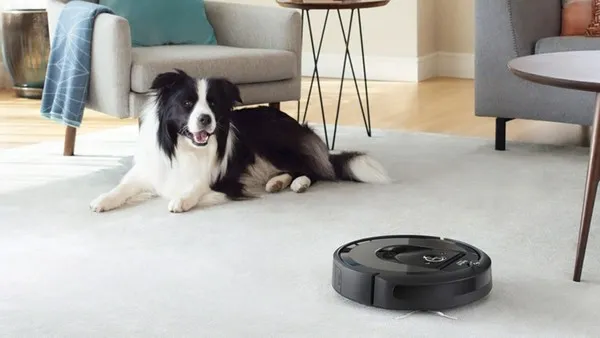
Mixed Situation
For loose daily hair: robot vacuum is perfect for constant maintenance For hair stuck to upholstery: traditional vacuum is essential for deep cleaning Ideal solution: have both (robot for maintenance + traditional for deep cleaning)
Pet owners might also be interested in keeping bathrooms fresh and clean, since pets often track dirt throughout the house.
Maintenance and Durability
Maintenance is an aspect many people forget to consider, but it can make a big difference in total ownership cost and product satisfaction over the years.
Traditional Vacuum Maintenance
Positive Points:
- Simpler and more robust structure
- Replacement parts generally cheaper
- Washable filters in most models
- Greater durability (5-8 years average)
- Fewer electronic components to fail
Necessary Care:
- Regular filter cleaning (monthly)
- Checking for hose obstructions
- Care with electrical cord
- Cleaning the dust compartment
- Replacing bags or emptying containers
- Annual belt inspection
Traditional vacuums benefit from mature, proven technology with decades of refinement. Parts are standardized and widely available, making repairs economical when needed.
Robot Vacuum Maintenance
Positive Points:
- Some tasks are automated
- High-quality HEPA filters
- Maintenance alerts via app
- Self-diagnostic capabilities
- Automatic base return for charging
Necessary Care:
- Frequent brush cleaning (hair can tangle weekly)
- Battery maintenance (charge cycles matter)
- Sensor cleaning for optimal navigation
- Regular compartment emptying (smaller capacity means more frequent)
- Possible software updates
- Wheel inspection for debris
Durability Comparison
Traditional Vacuums:
- Lifespan: 5-8 years
- More mature technology
- Fewer electronic components to fail
- Mechanical parts are robust
- Easy DIY repairs possible
Robot Vacuums:
- Lifespan: 3-5 years
- More technology = more failure points
- Battery needs replacement (2-3 years typically)
- Electronics can fail
- Often requires professional service
Maintenance Costs
Traditional: $15-25 per year (mainly filters and bags) Robot: $40-75 per year (battery, brushes, special filters, side brushes)
The robot's higher maintenance cost reflects its greater technological complexity and consumable parts like batteries that degrade with charge cycles.
Which to Choose: Decision Guide
Time for the final decision! I'll help you with a practical guide based on different profiles and needs. To complement your home organization, also check out our refrigerator organization tips.
Choose a Traditional Vacuum If
- ✅ You have a limited budget (under $400)
- ✅ Your home is large (over 1,500 sq ft)
- ✅ You have many thick carpets and rugs
- ✅ You need to clean multiple surfaces (curtains, upholstery, car)
- ✅ You like having total control over cleaning
- ✅ You do concentrated weekly cleaning
- ✅ You have stairs and many obstacles
- ✅ You need wet/dry cleaning capability
Specific recommendation: Look for reliable models with good suction power and versatile attachments like the Shark Navigator series.
Choose a Robot Vacuum If
- ✅ Your routine is very busy
- ✅ You live in an apartment or small/medium home
- ✅ You want daily automated cleaning
- ✅ You have hard floors and low-pile carpets
- ✅ You value convenience above all
- ✅ You enjoy technology and automation
- ✅ You have small children (always clean floors)
- ✅ You have mobility limitations
Specific recommendation: Start with an intermediate model that offers good mapping and app control features for best value.
The "Best of Both Worlds" Option
Many people are choosing to have both types:
- Robot vacuum: for daily maintenance and under-furniture cleaning
- Traditional vacuum: for weekly deep cleaning and multi-surface tasks
This combination offers the best of both worlds but obviously requires a larger investment. However, it provides the most comprehensive cleaning solution for homes with varied needs.
Specific Scenarios
Family with babies/small children: → Robot vacuum (constant floor cleaning is essential for crawling babies)
Home with pets that shed a lot: → Powerful traditional vacuum + robot for daily hair maintenance
Single person apartment with busy schedule: → Robot vacuum without question (automation is key)
Large house with multiple floor types: → Traditional vacuum (more versatility and power needed)
Person allergic to dust: → Robot with HEPA filter (frequent cleaning is fundamental for allergen control)
For those interested in creating a comfortable living space, consider pairing your cleaning solution with a quality sofa for relaxing after your cleaning routine is automated.
Frequently Asked Questions
Are robot vacuums as powerful as traditional ones?
No, traditional vacuums have superior suction power (1,000-1,600W vs 20-40W), but robots compensate with daily frequency. Dirt doesn't accumulate when cleaned daily by a robot.
Which type of vacuum is better for pet hair?
Traditional vacuums are better for pet hair on upholstery and carpets due to higher power. However, robots excel at daily maintenance of loose pet hair on floors.
How much does a good robot vacuum cost?
Quality robot vacuums range from $200-500 (entry level), $500-1,200 (intermediate with mapping), to $1,200-2,500+ (premium with AI and self-cleaning bases).
Can robot vacuums clean multiple rooms and floors?
Yes, modern robots with mapping can clean multiple rooms and remember different floor layouts. However, they work best in single-story homes or when carried between floors.
Do I need both a robot and traditional vacuum?
Many people find the combination ideal: robots for daily maintenance and traditional vacuums for weekly deep cleaning of carpets, upholstery, and hard-to-reach vertical surfaces.
How long do robot vacuum batteries last?
Robot vacuum batteries typically last 2-3 years before needing replacement. Battery life per charge varies from 60-120 minutes depending on the model and cleaning mode used.
Can robot vacuums handle pet accidents or liquid spills?
No, most robot vacuums cannot handle liquids and will be damaged. Always clean liquid spills manually before running your robot. Some advanced mopping robots exist but aren't suitable for large spills.
Conclusion
After analyzing all aspects, the answer is: it depends on your lifestyle. For most people living in apartments or small/medium homes with busy routines, I'd recommend an intermediate-category robot vacuum for daily convenience. For large homes with many carpets or those who prefer weekly deep cleaning with complete control, the traditional vacuum remains the best choice.
Remember: the ideal cleaning is one that happens consistently, whether manual or automated. Consider testing before buying or starting with an entry-level model to evaluate if the chosen type meets your expectations. The right vacuum is the one that fits your reality and actually gets used.
Whether you're interested in maintaining your entire home environment, explore our tips for saving electricity at home and learn about appliance energy consumption to make informed decisions about all your household devices.