Best Bed Sheets: Cotton vs Microfiber vs Satin Guide
Complete bed sheet material guide. Compare cotton, microfiber, satin, polyester & percale with pros, cons & tips.
Choosing the perfect bed sheets might seem straightforward, but this decision directly impacts your sleep quality and nighttime comfort. With so many options - cotton, microfiber, satin, polyester, percale - it's normal to feel overwhelmed.
Each fabric type has unique characteristics that make all the difference in your sleeping experience. Some are cooler for summer, others retain heat better in winter. There are those that are more durable, softer, or easier to care for.
In this comprehensive guide, I'll show you the main differences between each material, their advantages and disadvantages, and how to choose the perfect sheets for your lifestyle.


Table of Contents
- Cotton: The Timeless Classic
- Microfiber: Convenience and Value
- Satin: Luxury and Elegance
- Polyester: Durability and Low Cost
- Percale: The Art of Weaving
- How to Choose the Right Material
- Material Comparison Chart
- Care and Maintenance
- Frequently Asked Questions
- Conclusion
Cotton: The Timeless Classic
Cotton is considered the "gold standard" when it comes to bedding. This natural material, extracted from cotton plant fibers, has won over generations with its versatility and unmatched comfort.
Cotton's main advantage lies in its breathability. Natural fibers allow excellent air circulation, which means cooler nights in summer. Additionally, cotton has high absorption capacity, wicking moisture away from your body during sleep.
For those with sensitive skin or allergies, 100% natural cotton is practically unbeatable. Its fibers don't cause irritation and are naturally hypoallergenic. Durability is also a strong point - quality cotton sheets can last years while maintaining their characteristics.
Cotton advantages:
- Excellent breathability for temperature regulation
- Naturally hypoallergenic and gentle on skin
- High moisture absorption capacity
- Long-lasting durability with proper care
- Gets softer with each wash
Cotton disadvantages:
- Wrinkles more easily than synthetic fabrics
- Higher price, especially for premium varieties
- May shrink during first wash if not pre-shrunk
- Requires more careful maintenance
Cotton varieties include Egyptian cotton (long-staple fibers), Pima cotton (extra soft), and regular cotton. Higher thread counts generally indicate softer, more luxurious sheets.
Microfiber: Convenience and Value
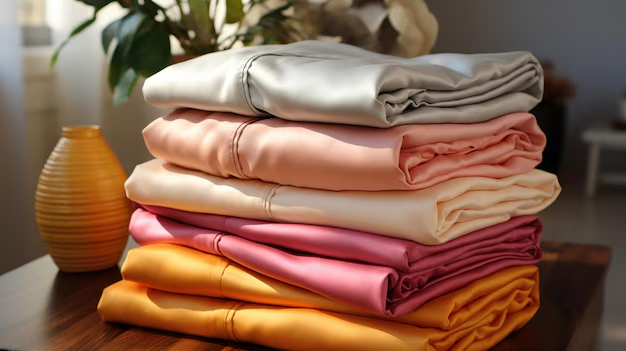
Microfiber revolutionized the bedding world by offering convenience without sacrificing comfort. Composed of ultra-fine synthetic fibers, usually polyester, it combines softness with easy maintenance.
One of microfiber's biggest advantages is its resistance. It doesn't fade easily, doesn't pill, and maintains vibrant colors much longer. For families with children or people who need to wash bedding frequently, it's a smart choice.
Drying time is another highlight. While cotton sheets can take hours to dry completely, microfiber dries in record time. This is especially useful for those who don't have many sheet sets or live in small apartments.
Microfiber advantages:
- Extremely durable and fade-resistant
- Quick-drying for convenient washing
- Wrinkle-resistant for easy maintenance
- Affordable pricing for multiple sets
- Maintains vibrant colors longer
Microfiber disadvantages:
- Retains more heat than natural fibers
- May generate static electricity in dry environments
- Less breathable than cotton
- Synthetic feel less natural than cotton
The affordable price makes microfiber an excellent entry point for anyone wanting to refresh their bedding without breaking the budget. You can find quality options at very competitive prices.
Satin: Luxury and Elegance
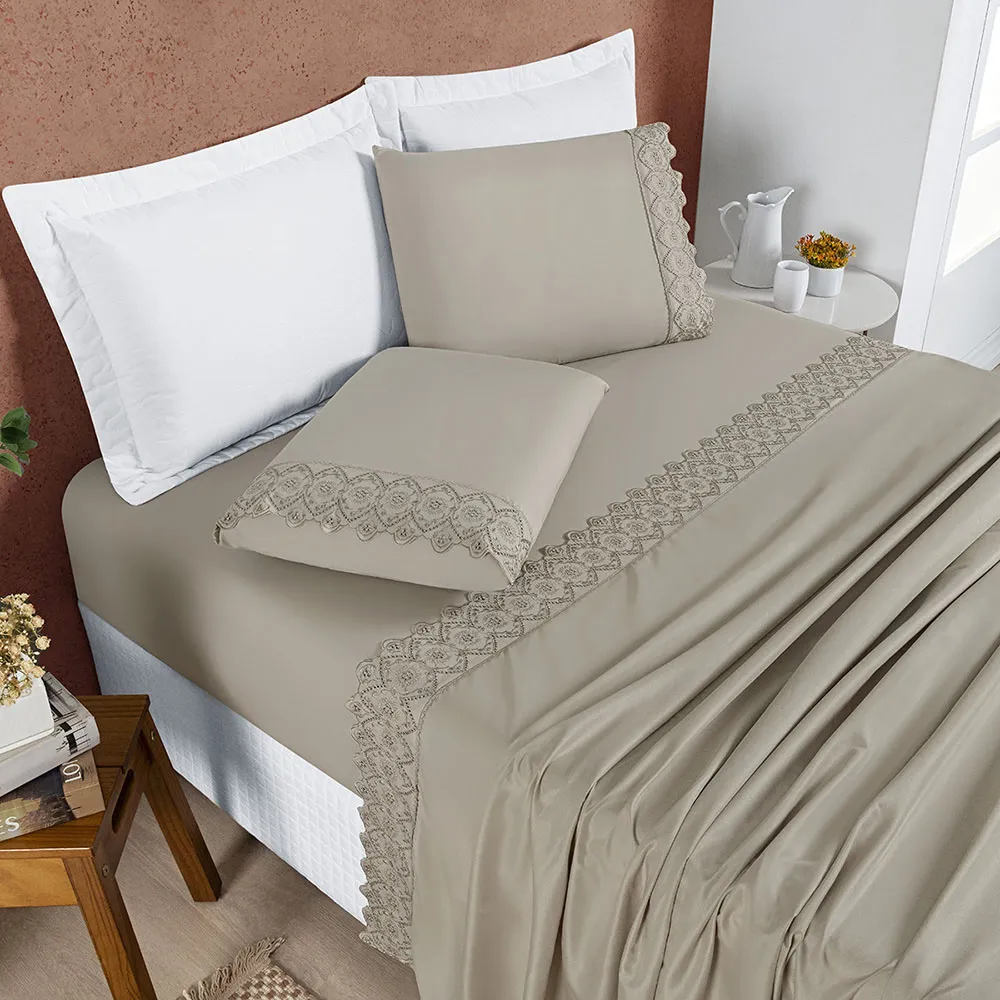
Satin isn't exactly a material, but rather a weaving technique that creates that smooth, shiny surface we know. It can be made from silk, polyester, cotton, or other fibers, with silk being the most luxurious option.
The feeling of sleeping on satin sheets is unique. The smooth surface reduces friction with skin and hair, which can help prevent frizz and even wrinkles. Many dermatologists recommend satin or silk for people with curly hair or very sensitive skin.
Visually, satin transforms any bed into a movie scene. The subtle shine and impeccable drape create a sophisticated and elegant atmosphere in the bedroom. It's perfect for special occasions or for those who enjoy a touch of glamour in everyday life.
Satin advantages:
- Reduces friction for smoother skin and hair
- Luxurious appearance with elegant shine
- Initial cool sensation with warmth retention
- Helps prevent hair frizz and sleep wrinkles
- Versatile for different seasons
Satin disadvantages:
- Can be slippery causing sheets to move
- Wrinkles more easily than other materials
- Requires special care when washing
- Higher price, especially for silk satin
- May feel too smooth for some preferences
Satin's thermal comfort is interesting: it offers an initial cool sensation but can also maintain warmth when needed. This versatility makes it suitable for different seasons.
Polyester: Durability and Low Cost
Polyester is a synthetic fiber derived from petroleum that became popular for its exceptional durability and affordable price. While it doesn't have the sophistication of cotton or silk, it offers important practical advantages.
Durability is polyester's greatest asset. It withstands frequent washing, doesn't shrink, maintains its original shape, and rarely develops defects like pilling or fraying. For those seeking sheets that will last years without losing their characteristics, it's a smart choice.
Polyester advantages:
- Exceptional durability through frequent washing
- Doesn't shrink or lose shape
- Quick-drying and wrinkle-resistant
- Very affordable pricing
- Low maintenance requirements
- Ideal for heavy daily use
Polyester disadvantages:
- Poor breathability compared to natural fibers
- Less soft and natural feel
- May cause discomfort for heavy perspiration
- Generates more static electricity
- Not ideal for hot climates
Maintenance convenience is another strong point. Polyester dries quickly, doesn't wrinkle as much as natural fibers, and can be machine washed without special care. It's ideal for hotels, inns, or for heavy daily use.
Percale: The Art of Weaving
Percale is a special weaving technique where threads cross one over one, creating a very tight and compact weave. Traditionally made with cotton but also available in other fibers, percale is synonymous with superior quality and durability.
The percale weaving technique results in a denser yet surprisingly lightweight fabric. The feel is of refined softness, especially in percales with higher thread counts. It's like having cotton's softness elevated to the next level.
Percale advantages:
- Superior durability lasting decades
- Refined softness with higher thread counts
- Excellent thermal regulation year-round
- Tight weave reduces fraying and holes
- Luxury hotel-quality comfort
- Gets softer with age
Percale disadvantages:
- Higher pricing, especially high thread counts
- Requires careful washing to maintain quality
- May wrinkle more than some alternatives
- Initial feel can be crisp before softening
Thread count in percale ranges from 180 to 400 threads per square inch. The higher the number, the finer and softer the fabric will be. Percales with 300 to 400 thread counts offer luxury comparable to the world's finest hotels.
Percale's durability surpasses most other fabrics. The tight weave significantly reduces the risk of fraying, holes, or deformation. Investing in quality percale means having sheets that can last decades with proper care.
How to Choose the Right Material
Choosing the perfect sheets depends on several personal and practical factors. Your sleep profile, local climate, budget, and maintenance preferences are the main criteria to consider.
Based on Temperature Preferences
If you get very hot during sleep, prioritize breathable materials like 100% cotton or percale. These fabrics allow better air circulation and moisture absorption. Avoid synthetic materials that may retain heat.
For people who get cold easily, consider microfiber or satin which provide better warmth retention. Flannel cotton is also excellent for winter months.
Based on Skin Sensitivity
For people with allergies or sensitive skin, natural fibers like cotton are safer. Look for products certified as hypoallergenic and avoid unnecessary chemical treatments.
Satin can also be beneficial for sensitive skin due to reduced friction, especially for those prone to skin irritation or with conditions like eczema.
Based on Lifestyle and Convenience
If convenience is your priority, microfiber or polyester might be ideal. They dry quickly, don't wrinkle as much, and are easy to care for. Perfect for busy routines or those with many children at home.
Cotton and percale require more careful maintenance but reward you with superior comfort and longevity. Choose based on how much time you're willing to invest in sheet care.
Based on Budget
Budget significantly influences choice. Microfiber and polyester offer good quality at low prices, perfect for multiple sheet sets. Cotton falls in the middle range with excellent value for money.
High thread count percale and silk satin are premium options at the top of the price pyramid. Consider them long-term investments in sleep quality.
The quality of your mattress and box spring also influences sheet choice. Firmer surfaces pair well with soft sheets, while already comfortable mattresses can do without ultra-soft fabrics.
Material Comparison Chart
This comparison helps you quickly visualize each material's characteristics. Remember that within each category there are quality variations that can alter these ratings.
Care and Maintenance
Each type of sheet requires specific care to maintain its characteristics and extend its lifespan. Following correct washing and storage instructions makes all the difference in durability.
Cotton Sheet Care
For cotton sheets, use warm (not hot) water and mild detergent. Avoid bleaches that can weaken fibers. Air dry in shade whenever possible, as direct sunlight can cause fading and fiber drying.
Wash cotton sheets every 7-10 days or more frequently if needed. Iron on medium heat while slightly damp for best results and crisp appearance.
Microfiber Sheet Care
Microfiber is more tolerant but still prefers cold or warm water. Avoid excess fabric softener, which can reduce synthetic fibers' absorption capacity. Sun drying is fine without problems.
Wash microfiber sheets in cold water to prevent static buildup. Tumble dry on low heat or air dry for best longevity.
Satin Sheet Care
Satin, especially silk, requires special care. Hand wash with mild detergent or use the machine's delicate cycle. Never twist or scrub forcefully. Dry in shade and avoid ironing - if necessary, use low temperature with a protective cloth.
Turn satin sheets inside out before washing to protect the smooth finish. Use mesh laundry bags for extra protection in the washing machine.
Percale Sheet Care
Percale follows similar care to cotton but, being more resistant, tolerates more frequent washing. Ironing can be done at medium temperature, always with the fabric slightly damp for best results.
Percale actually improves with washing, becoming softer over time. Wash in warm water and tumble dry on medium heat for convenience.
General Sheet Care Tips
For all materials, changing sheets weekly is ideal for maintaining hygiene. Have at least two sets to alternate while one is being washed. Store in a dry, airy place to prevent mold and odors.
Wash new sheets before first use. This removes manufacturing residues and makes the fabric softer. The bedroom environment should also always be clean to preserve bedding quality.
Rotate between multiple sheet sets to extend overall lifespan. Store sheets in breathable cotton bags rather than plastic to prevent moisture buildup.
Frequently Asked Questions
What is the best bed sheet material?
Cotton remains the most balanced choice for most people, offering natural comfort, breathability, and durability. It's especially recommended for those with sensitive skin or living in hot climates.
Are microfiber sheets better than cotton?
Microfiber offers convenience and affordability with easy care and quick drying, but cotton provides better breathability and temperature regulation. Choose based on your priorities: convenience (microfiber) or natural comfort (cotton).
What is percale and why is it more expensive?
Percale is a tight weaving technique (one thread over one) creating denser, more durable fabric. Higher thread counts (300-400) offer luxury hotel-quality comfort, justifying the premium price through superior longevity.
Do satin sheets help prevent wrinkles and frizzy hair?
Yes, satin's smooth surface reduces friction with skin and hair, potentially helping prevent sleep wrinkles and hair frizz. Many dermatologists recommend satin or silk for people with curly hair or sensitive skin.
How often should I change my bed sheets?
Change sheets weekly for optimal hygiene. Have at least two sets to alternate while one is being washed. Store in dry, airy places to prevent mold and odors.
What thread count should I look for in sheets?
For cotton and percale, 200-400 thread count offers good quality. Higher isn't always better - above 400, marketing may exceed actual quality improvements. Focus on fiber quality over thread count alone.
Can I put all sheet types in the dryer?
Cotton, microfiber, and polyester generally tolerate dryers on appropriate heat settings. Satin and high-quality percale benefit from air drying to maintain softness and prevent damage. Always check manufacturer instructions.
Conclusion
Choosing between cotton, microfiber, satin, polyester, or percale directly affects your sleep quality and comfort. Cotton remains the most balanced choice for most people, offering natural comfort, durability, and versatility especially for those with sensitive skin or living in hot climates.
Microfiber stands out for convenience and cost-effectiveness, perfect for busy routines and tighter budgets. Satin brings luxury and aesthetic benefits ideal for special occasions. Polyester offers unmatched durability for intensive use, while percale represents the pinnacle of bedding quality justifying its premium price through superior longevity.
Remember there's no absolute "best" material, only the one that best suits your specific needs. Consider your budget, routine, thermal comfort preferences, and maintenance ease before deciding. Just as you care about choosing a good pillow, dedicate time to choosing the ideal sheet material for you.