
How To Choose A Great Office Chair That Actually Works
Find the best office chairs with expert reviews on comfort, ergonomics, and value for money.
Sitting for hours on end can seriously mess with your spine and overall well-being. Choosing the right office chair isn't just about comfort – it's a direct investment in your health and how much you can actually get done.
A good chair can prevent back pain, improve your posture, and even boost your focus while working. On the flip side, the wrong choice can lead to chronic problems and constant discomfort that'll drive you nuts.
In this complete guide, I'll walk you through the best office chairs on the market, with detailed analysis of each model, essential selection criteria, and practical tips so you nail your purchase. Get ready to discover options that combine ergonomics, durability, and fair pricing.
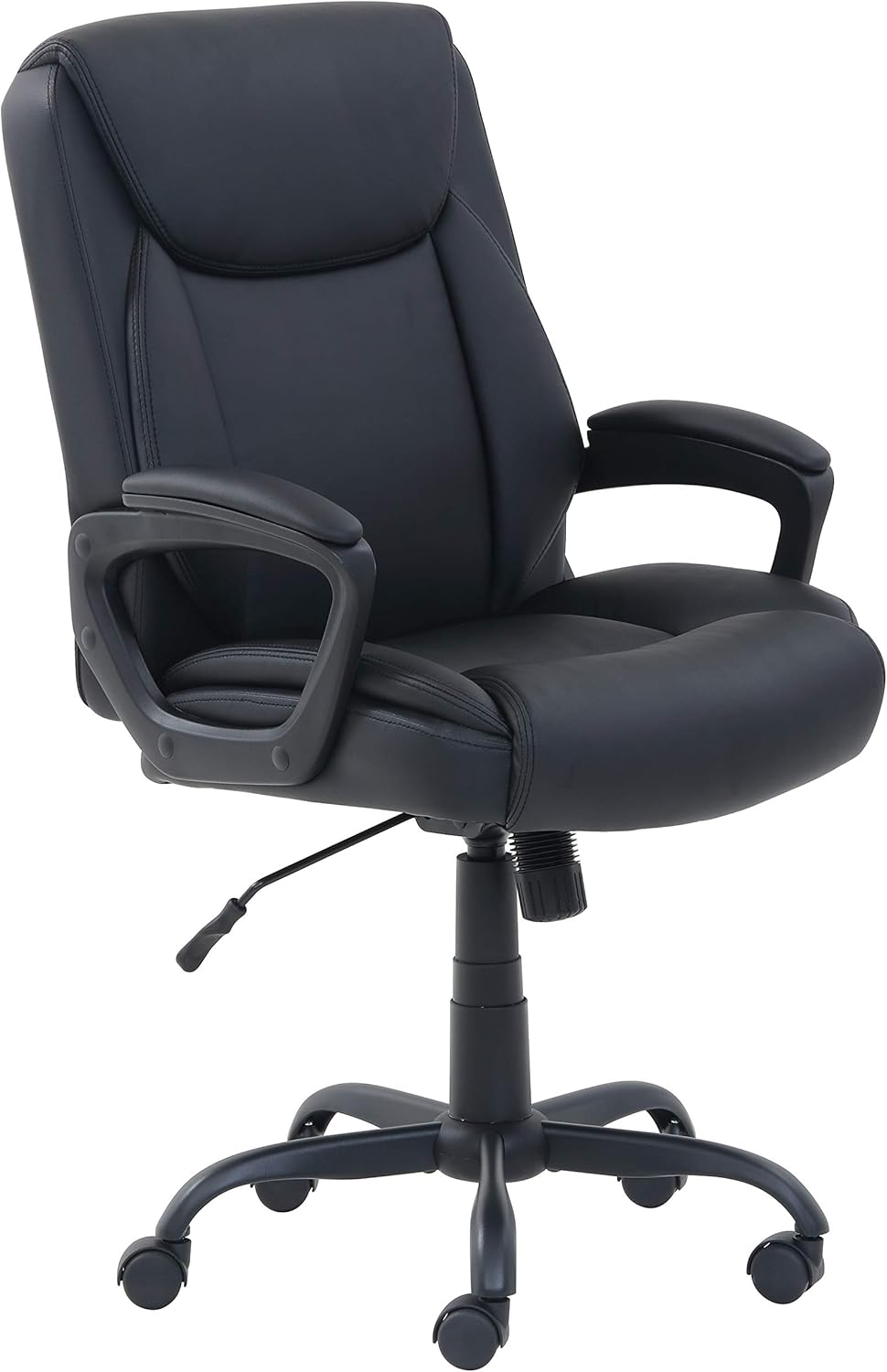


Table of Contents
- Main Types Of Office Chairs
- How To Pick The Perfect Chair For You
- Essential Evaluation Criteria
- Adjustments And Ergonomics: What To Look For
- Materials And Durability
- Weight Range And Capacity
- Care And Maintenance
- Frequently Asked Questions
- Conclusion
Main Types Of Office Chairs
Understanding the different types of chairs available is your first step toward making the right choice. Each category has specific features that meet different needs.
Executive Chairs
Executive chairs are top-of-the-line office seating, offering sleek design, premium materials, and advanced ergonomic adjustments that you won't find in basic models.
These chairs typically support between 265-440 lbs, feature high backs with headrests, and multiple adjustment points. They're perfect for executives or anyone putting in 8+ hour workdays at their desk.
According to recent testing, quality ergonomic chairs combine advanced lumbar support and adjustable features that make them worth the investment for serious desk workers.
Task Chairs
Simpler and more budget-friendly, task chairs work great for folks clocking moderate hours. They've got basic height and tilt adjustments, making them perfect for everyday administrative work.
The cost-effectiveness is their main selling point, but they're not recommended for marathon sessions. They usually max out around 265 lbs and have a more compact design.
Gaming Chairs
Originally designed for gamers, gaming chairs gained traction in offices for their distinctive design and extended comfort. They offer pronounced side bolsters and a more contemporary look.
They feature high-density foam, adjustable supports, and synthetic leather upholstery. They're a solid option if you want comfort and style rolled into one package.
How To Pick The Perfect Chair For You
Finding your ideal chair depends on several personal factors and your work environment. Let me break down the most important points to consider.
Daily Usage Time
If you're working less than 4 hours daily, a basic task chair might do the trick. For 4-8 hour stretches, invest in models with better ergonomics and adjustments.
For 8+ hour days, executive or ergonomic chairs are non-negotiable. The extra investment pays for itself quickly in comfort and health benefits you'll actually notice.
Type Of Activity
Work that demands intense concentration, like programming or design, benefits from chairs with excellent lumbar support. More general administrative tasks can work with simpler models.
For folks who need to move around a lot during the day, check out options with smooth-rolling casters and swivel bases. If you're staying put, stability matters more than mobility.
Essential Evaluation Criteria
Some technical aspects are crucial for evaluating any office chair's quality. These criteria will guarantee you make a smart purchase.
Backrest And Lumbar Support
Proper lumbar support maintains your spine's natural curve, which is critical for keeping your back healthy during long work sessions.
Look for chairs offering lower back support, preventing you from "sinking" into the seat. Models with adjustable lumbar support let you customize the position based on your body type.
This is especially important for taller or shorter people who need that extra customization. Poor lumbar support leads to slouching and eventual back problems.
Armrest Support
Armrests should let you rest your elbows naturally, forming a 90-degree angle. Armrests set too high cause shoulder tension, while too-low ones force you to hunch forward awkwardly.
The ability to adjust armrest height and width is a key differentiator, especially for people with broader or narrower shoulders. 4D armrests (adjusting height, width, depth, and angle) provide optimal flexibility.
Adjustments And Ergonomics: What To Look For
Proper ergonomics goes way beyond immediate comfort – it prevents occupational health issues and improves your long-term productivity.
Seat Height
Height adjustment should allow your feet to rest completely flat on the floor with knees at 90 degrees. This guarantees good blood circulation in your legs throughout the day.
If the chair doesn't go low enough for your build, consider using a footrest. The opposite applies too – really tall people need chairs with greater height range.
Seat Depth
The ideal seat depth lets you sit fully back against the backrest, leaving about 2-3 inches of space between the back of your knees and the seat edge.
Seats that are too deep make you slide forward, losing lumbar support. Too shallow and they don't provide enough thigh support to be comfortable.
Tilt Mechanism
A tilt between 100 and 110 degrees reduces pressure on the spine. Mechanisms that let you lock the tilt in different positions offer greater versatility for different tasks.
Some chairs have synchronized tilt, where the seat and backrest move proportionally together. This maintains constant lumbar support in any position you choose.
Materials And Durability
Material choice directly impacts comfort, durability, and how easy your chair is to maintain over time.
Available Upholstery
Breathable mesh is excellent for hot environments, offering superior ventilation and preventing heat and moisture buildup. It's easy to clean and keeps its appearance longer.
Synthetic leather provides a more elegant look and resists wear well, but can get warm on hot days. It's a good option for formal corporate environments where appearance matters.
Fabric offers intermediate comfort and color variety, but requires more care when cleaning. High-quality fabrics can last many years if properly maintained.
Frame And Base
Bases made of steel or aluminum offer greater resistance and durability compared to plastic alternatives. Check for quality certification and well-finished welds.
Chairs with robust construction tend to last longer and offer better stability, especially for users with higher body weight.
Seat Foam
Foam density determines how long the chair will maintain its original shape. High-density foam (above 50kg/m³) resists sagging and deformation much better over time.
Low-quality foam can create "holes" where you sit most, compromising comfort and forcing you into poor postures that'll mess up your back.
Weight Range And Capacity
Choosing a chair with adequate capacity is fundamental for your safety and the product's lifespan.
Calculating Ideal Capacity
The general rule is choosing a chair supporting at least 30% more than your body weight. This guarantees a safety margin and extends the product's useful life.
For example, if you weigh 175 lbs, opt for chairs with minimum 230 lb capacity. For 220 lbs body weight, look for models supporting at least 285 lbs.
Impact On Structure
Chairs with higher capacity generally have more robust structures, reinforced pneumatic cylinders, and better quality materials. This results in greater stability and durability.
Even if you're on the lighter side, choosing a chair with higher capacity can be a smart investment to guarantee longer lifespan and better overall build quality.
Care And Maintenance
Keeping your office chair in good condition extends its lifespan and guarantees proper functioning of all mechanisms.
Regular Cleaning
For mesh upholstery: vacuum weekly to remove accumulated dust. For deeper cleaning, use a damp cloth with mild detergent and let it air dry.
For synthetic leather: clean with slightly dampened cloth and products specifically for synthetic leather. Avoid alcohol-based products that can dry out the material and cause cracking.
For fabric: vacuum regularly and treat stains immediately with appropriate fabric cleaner. Consider using protective covers if the chair gets heavy use.
Mechanism Maintenance
Lubricate casters monthly with spray oil to guarantee smooth movement. Check that all wheels are spinning freely and replace damaged ones promptly.
The pneumatic cylinder can lose pressure over time. If the chair won't maintain its adjusted height, you may need to replace the gas cylinder assembly.
Periodic Checks
Examine screws and connections monthly to ensure they're tight. Heavily-used chairs can loosen over time and need periodic tightening.
Test all adjustments regularly – height, tilt, and armrests. Mechanisms that stick might need lubrication or professional adjustment to work smoothly again.
Just like organizing other spaces in your home, keeping your workstation well-maintained contributes to greater productivity and well-being throughout your day.
Smart Buying Tips
When shopping for your office chair, keep these practical tips in mind to make the best decision possible.
Try Before You Buy
Whenever possible, test the chair for at least 15-20 minutes. Sit in your normal working position and test all adjustment mechanisms to see how they feel.
Pay attention to pressure points – your thighs, back, and arms shouldn't feel uncomfortable pressure anywhere. A quality chair distributes your weight evenly.
Check The Warranty
Premium chairs like Herman Miller and Steelcase come with 12-year warranties, making the cost-per-year quite reasonable despite higher upfront prices.
A comprehensive warranty indicates manufacturer confidence in their product. Look for coverage of frame, mechanisms, and upholstery – not just basic parts.
Consider Your Desk Height
Your chair and desk need to work together. Standard desk height is around 29-30 inches, but adjustable desks give you more flexibility to find your perfect setup.
If you can't adjust your desk, make sure your chair has enough height range to position your arms comfortably at keyboard level without hunching or reaching.
Think About Flooring
Carpet and hard floors require different caster types. Soft casters work best on hardwood, while harder casters are better for carpet to prevent getting stuck.
Many chairs come with universal casters that work okay on both, but specialized ones perform better if you know your primary floor type.
Budget Considerations
Office chairs span a huge price range, and understanding what you're paying for helps you make a smart investment.
Entry-Level ($100-$300)
Budget chairs work fine for occasional use or shorter work sessions. Look for chairs with adjustable armrests and seat depth for personalized ergonomics even at lower price points.
Expect basic adjustments and simpler materials. These chairs typically last 2-4 years with regular use, so factor replacement costs into your decision.
Mid-Range ($300-$800)
This sweet spot offers solid ergonomics without breaking the bank. Chairs in this range typically feature 4-way armrests and better build quality than budget options.
You'll get better foam, more adjustment options, and longer warranties. Most people working from home find this range hits the perfect balance of features and affordability.
Premium ($800+)
Premium chairs use sustainable materials and innovative features that justify their higher cost for serious users who spend most of their day seated.
The legendary Herman Miller Aeron and Steelcase Leap fall into this category. These chairs can last 15-20 years, making them cost-effective over their lifetime.
Health Benefits Of A Good Chair
Investing in quality seating isn't vanity – it's preventive healthcare that pays real dividends.
Posture Improvement
A well-designed ergonomic chair naturally encourages proper spinal alignment. Over weeks and months, this retrains your muscle memory to maintain better posture even when you're not sitting.
Poor posture leads to chronic pain that follows you home. Good posture reduces fatigue and lets you stay focused on your work instead of your aching back.
Pain Prevention
Chairs with excellent lumbar support help alleviate pain by maintaining your spine's natural curve throughout the workday. This is especially crucial for people with existing back issues.
Neck and shoulder pain often stems from poor armrest positioning or lack of headrest. Addressing these through proper chair selection can eliminate these common complaints.
Circulation Benefits
Proper seat height and depth prevent leg circulation issues that cause numbness and discomfort. Your legs should never feel "asleep" while working.
Good circulation means better oxygen flow to your brain, which improves concentration and reduces that foggy feeling you get after hours at your desk.
Productivity Impact
Your chair affects more than just your body – it directly influences how much and how well you work.
Focus And Concentration
When you're comfortable, your brain can dedicate its full attention to your tasks instead of constantly being distracted by discomfort. This leads to deeper focus and better quality work.
Studies show that workers with ergonomic seating report fewer breaks due to discomfort, maintaining productivity throughout their entire workday.
Energy Levels
Fighting constant discomfort drains your energy reserves fast. A supportive chair helps you maintain consistent energy levels from morning coffee to afternoon meetings.
You'll notice the difference in how you feel at the end of your workday. Less physical stress means you have more energy left for life outside work.
Environmental Considerations
Modern chair shopping includes thinking about sustainability and environmental impact.
Eco-Friendly Materials
Many premium manufacturers now use recycled materials and sustainable production processes. Look for certifications like Cradle to Cradle or GREENGUARD for chairs meeting environmental standards.
Mesh chairs often have smaller environmental footprints than leather alternatives. Sustainable options don't sacrifice quality or comfort.
Longevity Vs. Disposability
A $1,500 chair lasting 15 years has less environmental impact than three $300 chairs over the same period. Quality construction means fewer chairs in landfills.
Repairable designs extend product life even further. Some manufacturers offer replacement parts and refurbishing services that can double a chair's usable lifespan.
Remote Work Considerations
The work-from-home revolution changed how we think about office furniture for home settings.
Home Office Integration
Your chair needs to fit your home aesthetic while remaining functional. Many modern designs blend professional performance with residential styling that doesn't scream "office."
Consider how the chair looks when you're on video calls – your background matters for professional presentation. Choose versatile designs that work in multiple rooms.
Space Constraints
Home offices often occupy smaller spaces than traditional offices. Compact chair designs or those with smaller footprints work better in tight quarters without sacrificing comfort.
Measure your workspace before buying. Allow room to fully recline and adjust the chair without hitting walls or furniture behind you.
Multi-User Households
If family members share your home office, adjustability becomes even more critical. Easy-to-adjust chairs let different users quickly customize settings for their body types.
Consider chairs with memory presets if multiple people regularly use the same workspace. This makes switching between users seamless and fast.
Special Considerations
Some situations require specific chair features beyond standard ergonomics.
Back Pain Sufferers
People with existing back problems need chairs with exceptional lumbar support and highly adjustable backrests. Just like choosing the right mattress, the right chair can prevent pain from worsening.
Look for chairs recommended by physical therapists or chiropractors. Some medical conditions qualify for health spending account reimbursement on ergonomic equipment.
Tall And Short Users
Chairs designed for small frames or people over 6 feet address specific needs that standard chairs miss. Height affects seat depth, back height, and armrest positioning.
Very tall people need deeper seats and taller backs to properly support their longer torsos and legs. Short users need chairs that adjust low enough for feet to reach the floor.
Heavy-Duty Needs
Users requiring 400+ lb capacity need specialized chairs built with reinforced frames, wider seats, and heavy-duty mechanisms. Heavy-duty chairs provide reinforced frames and wide seat dimensions for all-day support.
These chairs cost more but prevent the safety risks and premature wear that come from exceeding standard chair capacities. Your safety is worth the investment.
Frequently Asked Questions
What's the best type of office chair for working long hours?
Executive or ergonomic chairs are ideal for marathon work sessions, offering lumbar support, multiple adjustments, and quality materials that keep you comfortable for hours on end.
How do I know what weight capacity I need?
The rule of thumb is to pick a chair that supports at least 30% more than your body weight. If you weigh 175 lbs, go for models with a minimum capacity of 230 lbs.
What's the difference between executive and task chairs?
Executive chairs offer more ergonomic adjustments, premium materials, and better durability. Task chairs are more basic with limited adjustments but work well for moderate use.
Is it worth getting a chair with a headrest?
Absolutely, especially if you're working 6+ hours a day. A headrest reduces neck and shoulder tension, preventing pain and fatigue throughout your workday.
How do I properly adjust my office chair height?
Adjust so your feet rest flat on the floor with knees at a 90-degree angle. Your arms should align naturally with your desk height without hunching or reaching.
Conclusion
Choosing the ideal office chair is an investment that directly impacts your health, productivity, and overall well-being. The models presented in this guide represent the best options on the market, each meeting specific needs and budgets.
Remember that a good chair isn't an expense – it's an investment in your quality of life that pays dividends every single day. Consider your daily usage time, work type, and available budget to make the smartest decision. Just like choosing a good mattress, the right chair can prevent pain and postural problems down the road.
Whether you're setting up your first home office or upgrading from a basic chair that's killing your back, prioritize ergonomics, adjustability, and build quality. Your future self will thank you for making the right choice today.