First Aid Kit Essentials: Why Every Home Needs One in 2025
Discover the 8 best first aid kits of 2025 and learn how to be prepared for home emergencies that could save lives.
Did you know that homes account for over half of all preventable injury-related deaths in the U.S., with fatalities reaching a record 125,700 in 2023? Most of these accidents could have had less severe outcomes with a first aid kit nearby.
Your home should be the safest place in the world, but reality tells a different story. Small accidents happen every single day—a kitchen knife slip, a burn from the iron, a fall while changing a light bulb. The difference between a minor scare and a serious situation often comes down to having the right supplies on hand in those first critical minutes.
In this complete guide, you'll discover exactly what you need to assemble or buy the perfect first aid kit for your family. I'll show you the 8 best kits available in 2025, what should be in each one, and how to use them properly in emergencies.


Table of Contents
- Why Every Home Needs a First Aid Kit
- What Should Be in a Complete Kit
- Types of Kits: Which One's Right For Your Family
- Basic Home First Aid Kit
- Complete Professional First Aid Kit
- Portable Kit For Car and Travel
- How to Organize and Store Your Kit
- 5 Costly Mistakes to Avoid
- Frequently Asked Questions
- Conclusion
Why Every Home Needs a First Aid Kit
Home accidents don't give you a heads-up before they happen. And when they do, every minute counts.
More than 15,000 kitchen accidents happen each year in the US, and that's just one room. Think about your daily routine—you cook, clean, do minor repairs. Your kids run around the house. Each of these simple activities carries real risks.
A well-stocked first aid kit can turn a potentially serious situation into a manageable problem. It's not being paranoid—it's being smart and prepared.
Real benefits of having a kit at home:
- Immediate response: In the first 5 minutes after an accident, you can prevent infections, control bleeding, and relieve pain before specialized help arrives
- Proven savings: Treating minor injuries at home avoids unnecessary ER visits, saving you time and money on consultations that typically run $200-500
- Peace of mind: Knowing you're prepared significantly reduces anxiety, especially for parents of young kids or caregivers of elderly family members
- Family independence: You handle 80% of minor situations without leaving home or waiting for outside help
A first aid kit isn't just a box with medical supplies. It's the difference between panic and control when something unexpected happens. To complement your home's safety, also check out our guide on preventing health issues at home.
What Should Be in a Complete First Aid Kit
Putting together or choosing the right kit means understanding exactly which items are essential. I'll break this down into three categories: basic, intermediate, and advanced.
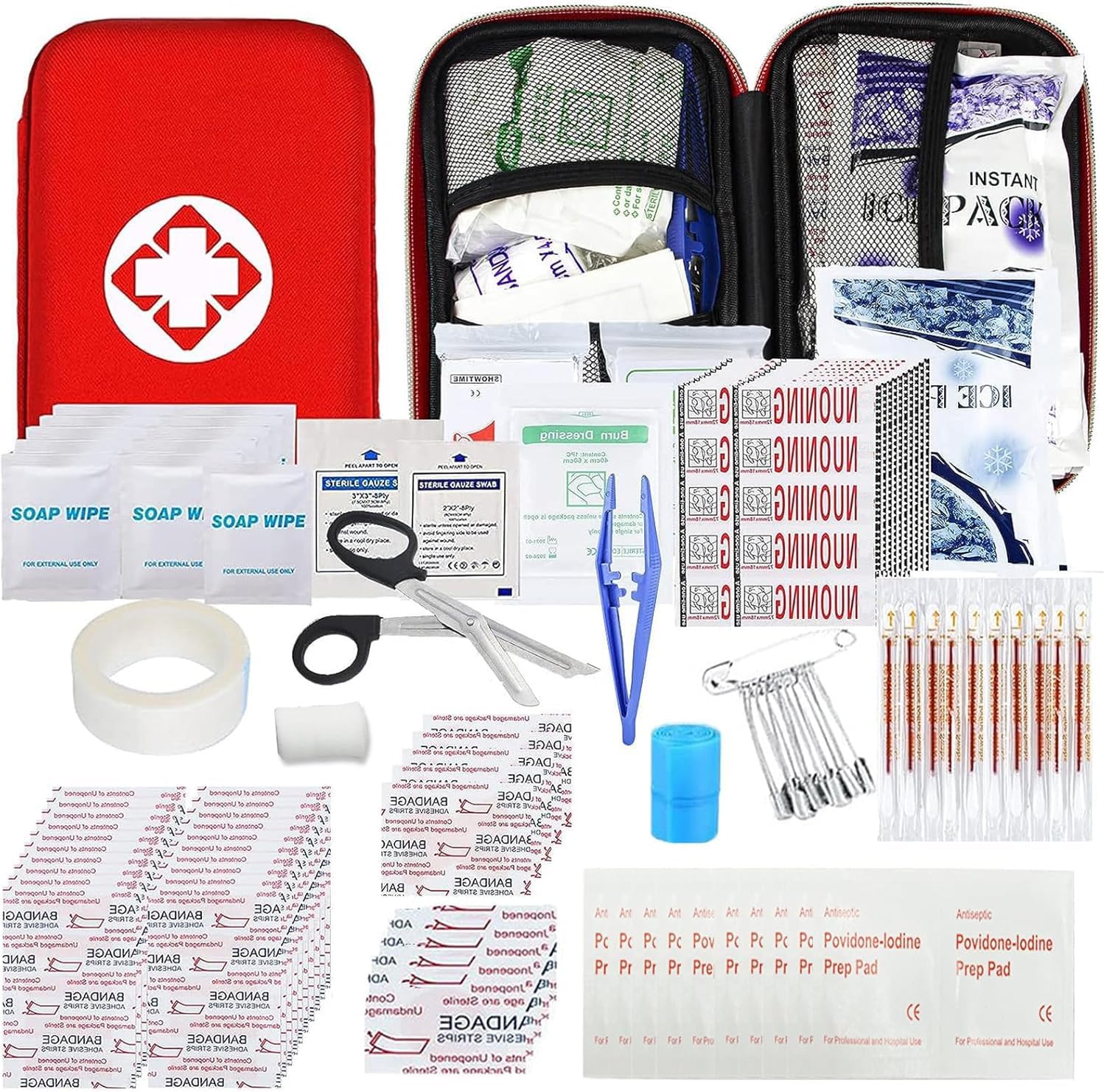
Basic Bandaging Materials
These are the items you'll use most often, especially for treating cuts, scrapes, and minor burns.
Bandages and Gauze:
- Adhesive bandages in various sizes (10-20 units in different sizes—including some with fun designs for kids)
- Sterile gauze pads 3" x 3" (minimum 10 units)
- Rolled gauze bandages 4" and 6" wide (2 of each)
- Medical tape (both paper and cloth varieties)
- Non-stick gauze pads for burns
Hygiene and Disinfection Supplies:
- 70% isopropyl alcohol (gel or liquid, 3.4 oz bottle)
- Hydrogen peroxide 3%
- Saline solution 0.9% (8 oz)
- Povidone-iodine antiseptic
- Antibacterial soap (bar or liquid)
Essential Instruments and Accessories
Having the right tools makes treatment much easier and ensures you're doing it safely.
- Blunt-tip scissors (rust-proof)
- Metal or rigid plastic tweezers
- Digital thermometer (ditch those old mercury ones)
- Disposable procedure gloves (5-10 pairs)
- Small flashlight with extra batteries
- Safety pins
- Cotton swabs and cotton balls

Basic Over-the-Counter Medications
Include only medications that don't require a prescription and address common situations.
Important: Always consult a doctor or pharmacist before using any medication, especially with children.
- Pain reliever and fever reducer (acetaminophen or ibuprofen)
- Anti-inflammatory (ibuprofen)
- Oral antihistamine
- Burn cream for minor burns
- Individual saline packets
- Antacid (for heartburn and indigestion)
Pro tip: Keep an updated list with appropriate dosages for each family member, including weight and age. Tape this list inside the kit lid.
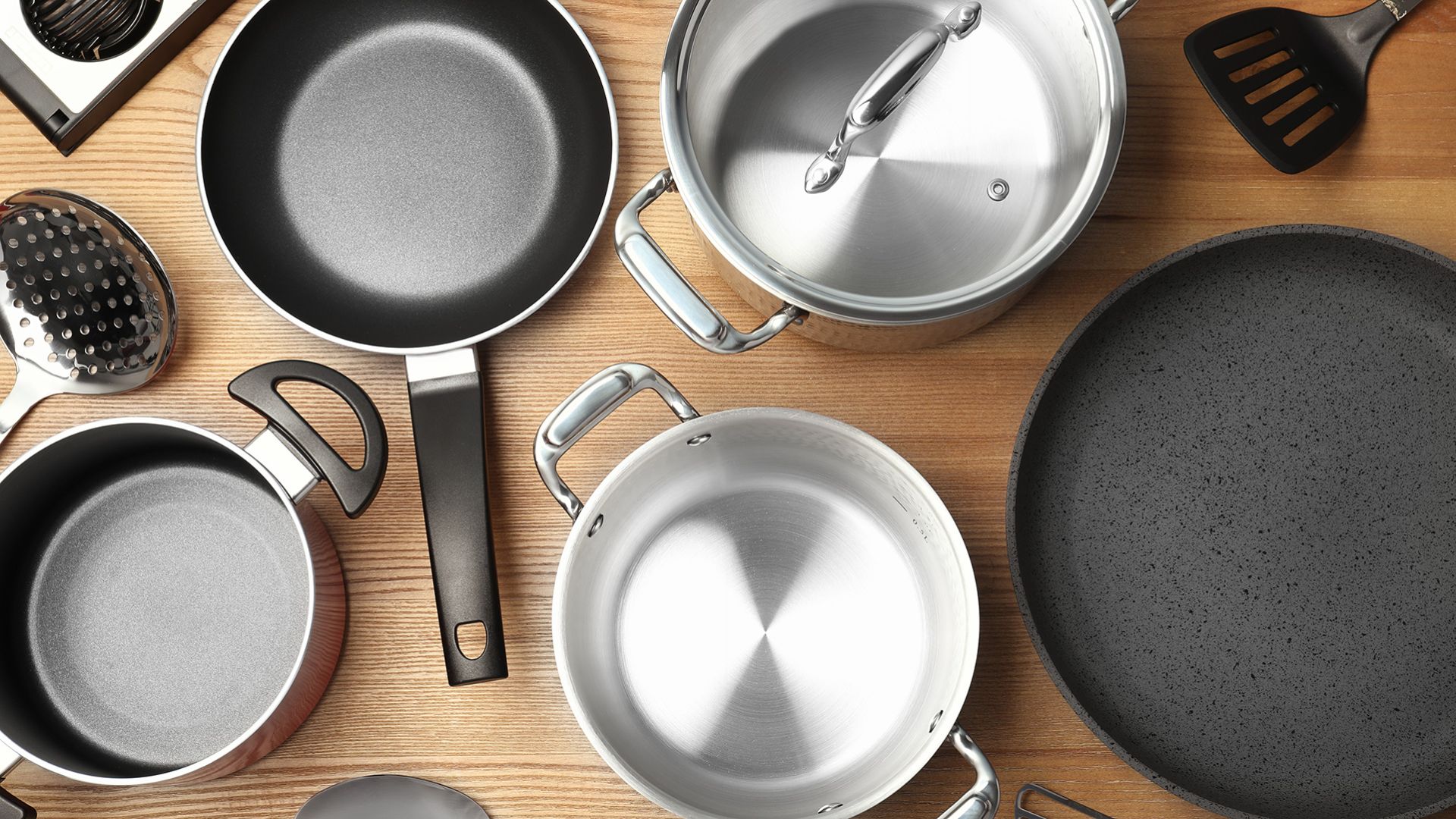
If you have a well-organized kitchen, consider keeping basic first aid items there too, since that's where many accidents happen. You might also want to keep some cleaning supplies nearby for sanitizing surfaces after treating injuries.
Types of Kits: Which One's Right For Your Family
There's no one-size-fits-all when it comes to first aid kits. Your choice depends on your family size, ages of household members, activities you do, and even available storage space.
Complete Family Kit (Best For Home)
This is the most robust option, designed to stay put at home and handle various situations.
Key features:
- Storage case or organizer 10-14 inches wide
- 50 to 150 different items
- Weighs 2-5 pounds
- Compartments organized by category
Perfect for: Families with kids, homes with more than 4 people, residences with outdoor areas or pools. Also ideal if you live far from pharmacies or hospitals.
Compact Basic Kit (For Apartments)
If space is tight or you live alone, a more streamlined kit handles most situations just fine.
Key features:
- Pouch or case 6-8 inches wide
- 20 to 40 essential items
- Weighs 10-20 ounces
- Easy to store in a cabinet
Perfect for: Solo dwellers or couples without kids, small apartments, or as a second kit for another room in the house.
Portable Kit For Car and Travel
Accidents can happen anywhere. Having a kit in your car is just as important as having a fire extinguisher.
Key features:
- Waterproof compact bag
- 15 to 30 most-used items
- Resistant to temperature and humidity
- Handles or straps for easy carrying
Perfect for: Anyone who drives regularly, families who travel, professionals who spend lots of time on the road (rideshare drivers, sales reps), or for taking on hikes and camping trips.
Bonus: Also consider adding condition-specific items based on family medical needs. If someone has diabetes, include a glucose meter and glucose gel. For severe allergy sufferers, always have fast-acting antihistamines on hand.
The basic home kit is perfect for beginners or anyone who needs something practical for everyday use. With 30 to 50 essential items, it handles 90% of common household situations.
Technical Specs
- Capacity: 30-50 medical items
- Case material: Durable nylon or ABS plastic
- Dimensions: 8" x 6" x 3" (approximate)
- Weight: 14-25 ounces
- Organization: Multiple zippered compartments
What to Expect From This Kit
This model includes everything you need to care for superficial cuts, scrapes, minor burns, and light injuries. You'll find bandages in various sizes, sterile gauze, medical tape, scissors, tweezers, and alcohol gel.
The big advantage is value for money. For an affordable price, you get everything organized in one place without buying piece by piece. The case usually comes with dividers that make finding what you need quick and easy.
Ideal for: Small apartments, first homes, young couples, or as a starter kit if you've never had one. Also works well as a second kit to keep on another floor of your house.
To keep your entire home organized and safe, also check out our tips on bathroom organization, another spot where accidents commonly happen.

For those who take emergency preparedness seriously, the professional kit offers advanced features and more supplies. This is the kind of kit you'd find in ambulances, clinics, and businesses.
Technical Specs
- Capacity: 100-200 medical items
- Case material: Waterproof hard case
- Dimensions: 12" x 10" x 5" (approximate)
- Weight: 3-5 pounds
- Organization: Removable trays and labeled compartments
Advanced Features
Beyond all the basic items in larger quantities, this kit includes more specialized materials: blood pressure cuff, stethoscope, finger pulse oximeter, splints for immobilization, emergency thermal blanket, and CPR masks.
The hard case protects materials from impacts and moisture, making it ideal for outdoor environments or keeping in the car. Organized dividers allow quick access even in stressful situations.
When It's Worth the Investment
This kit costs significantly more than basic ones, but pays off in specific situations.
Ideal for: Families with young children, homes with pools, people who practice extreme sports, healthcare professionals who make house calls, businesses that need to meet workplace safety standards, or homeowners who want a community kit.

Traffic accidents and travel emergencies need a specific kit that's compact but effective. This model was designed to fit in your glove compartment or trunk without taking up much space.
Technical Specs
- Capacity: 20-35 essential items
- Case material: Waterproof bag with sturdy zipper
- Dimensions: 7" x 5" x 2.5" (approximate)
- Weight: 9-14 ounces
- Organization: Elastic and transparent pockets
Adapted For Mobility
What makes this kit different is the selection of road-specific items: warning triangle, thermal blanket, powerful LED flashlight, bandages for major trauma, and even an emergency whistle.
The waterproof material withstands temperature swings common inside cars. The bag has handles for easy carrying if you need to leave the vehicle. Some models even include an illustrated first aid manual.
Ideal for: Regular drivers, traveling families, professionals who work on the road (rideshare drivers, sales reps), adventurers who go hiking or camping.
Extra tip: Also keep basic cleaning items in the car to sanitize hands before doing bandaging.
How to Organize and Store Your First Aid Kit
Having a complete kit doesn't help if you can't find it quickly or if materials are disorganized. Proper organization can save precious minutes in an emergency.
Color-Coded or Category Organization System
Separate kit items into logical groups. Use clear plastic bags or small colored organizers.
Suggested categories:
- Red: Bleeding supplies (gauze, large bandages, gloves)
- Blue: Medications and ointments
- Green: Instruments (scissors, tweezers, thermometer)
- Yellow: Hygiene materials (alcohol, hydrogen peroxide)
- White: Special items (thermal blanket, flashlight)
Label the outside of each compartment. This helps anyone in the family find what they need, even without being familiar with the kit.
Where to Store For Quick Access
The kit needs to be in an easily accessible spot so any family member can reach it.
Best locations:
- High kitchen cabinet (away from stove and sink)
- Hallway closet, always on the same shelf
- Master bedroom closet (upper shelf)
- Utility room (if away from humidity)
Places to avoid:
- Bathroom (humidity damages sterile materials)
- Under the sink (risk of leaks)
- Inside packed drawers (makes quick access hard)
- Unprotected garage (temperature and dust)
Regular Maintenance and Inspection
Your first aid kit should always be well-stocked and checked every 3 to 6 months.
Create a simple checking system. Tape a checklist inside the kit lid with these points:
- Date of last review
- Medications close to expiration
- Materials needing replacement
- Items used since last check
Pro tip: Set a phone reminder to review the kit every 4 months. Pick an easy date to remember, like always on the first Sunday of January, May, and September.
If you like keeping everything organized, also check out our article on drawer organizers that can complement your first aid supplies organization. Consider keeping some basic supplies in your bathroom as well for quick access during grooming-related accidents.
5 Costly Mistakes With First Aid Kits
Even with the world's best kit, some common mistakes can compromise its effectiveness. I'll show you the main slip-ups and how to avoid them.
Mistake 1: Storing the Kit Somewhere Inaccessible or Unknown
You bought the kit, tucked it away safely, and... nobody remembers where it is. When an accident happens, you waste precious minutes searching.
How to avoid: Pick ONE fixed location and tell the whole family. Have a quick meeting showing where it is. If you have older kids, teach them how to find it and alert an adult. Consider putting a discreet sticker on the cabinet door indicating the kit's inside.
Mistake 2: Using Expired Medications
Medications past their expiration date not only lose effectiveness but can cause bad reactions. Lots of folks keep that pain reliever that expired years ago "just in case."
How to avoid: Every 3 months, check expiration dates. Properly dispose of expired medications at pharmacies that accept them. Buy smaller quantities you can use before they expire. A bottle of 10 pills is better than one with 50 that'll expire.
Mistake 3: Not Replacing Used Items
You used the last gauze pads for a bandage two weeks ago and forgot to replace them. At the next accident, you open the kit and discover it's empty of exactly what you need.
How to avoid: Establish the rule: whenever you use something from the kit, immediately write it on a replacement list. Keep a notepad and pen attached to the kit with a rubber band. Once a month, replace everything that was used. Even better: keep duplicate basic items stored separately.
Mistake 4: Kit Without Manual or Instructions
In an emergency, nervousness is natural. Without clear instructions, even simple procedures can go wrong.
How to avoid: Always include an updated first aid manual inside the kit. Really good illustrated pocket versions exist. Even better: take a basic first aid course. The Red Cross and local fire departments offer free courses periodically that teach proper techniques for handling emergencies.
Mistake 5: Ignoring Family-Specific Needs
Assembling a generic kit without considering your household's unique situations can leave it incomplete where it really matters.
How to avoid: Personalize your kit. Someone diabetic? Include a glucose meter and glucose gel. Severe allergy sufferers? Have fast-acting antihistamines. Small kids at home? Add finger guards, cartoon bandages, and children's medications at correct dosages. Elderly folks? Consider including blood pressure and diabetes medications, even if they already have them elsewhere.
To complement your home's safety, also see our guide on safe energy consumption, as electrical accidents are a leading cause of home injuries.
Frequently Asked Questions
What are the must-have items in a first aid kit?
Essential items include adhesive bandages in various sizes, sterile gauze, rolled bandages, medical tape, 70% isopropyl alcohol, hydrogen peroxide, antiseptic, scissors, tweezers, disposable gloves, digital thermometer, and basic medications like pain relievers and fever reducers. These materials handle about 80% of common household situations.
Where's the best place to store a first aid kit?
Store it somewhere cool, dry, and easily accessible to adults but out of reach of children. Avoid bathrooms due to humidity and garages due to extreme temperatures. High kitchen cabinets, hallway closets, or master bedrooms are ideal options. Everyone in the family should know exactly where it's kept.
How often should I check my first aid kit?
Review it every 3 to 6 months, checking medication expiration dates, material sterility, and replacing used items. Also check immediately after using anything. Keep a checklist taped inside the kit lid to make this process easier and ensure you don't forget any important items.
Should I buy a pre-made kit or build my own?
Pre-made kits are more convenient and cost-effective to start with, typically running $20 to $80 and including essentials. Building your own allows customization for specific family needs like allergies, medical conditions, or activities. A good option is starting with a basic pre-made kit and then adding specific items.
Can a first aid kit handle serious emergencies?
The kit is for initial care in minor to moderate emergencies, like superficial cuts, minor burns, and scrapes. It does NOT replace professional medical care. For serious situations like severe bleeding, major breathing difficulty, loss of consciousness, or head trauma, call 911 immediately and use the kit only to stabilize until help arrives.
Do I need first aid training to use a kit?
It's not mandatory, but highly recommended. Basic 4-8 hour courses teach vital techniques like the Heimlich maneuver (choking), CPR (cardiopulmonary resuscitation), and bleeding control. Many are offered free by the American Red Cross, local fire departments, and even some companies. Theoretical and practical knowledge can make the difference between saving a life or not.
How many first aid kits should I have?
Ideally at least two: one at home (comprehensive, fixed in an accessible location) and another portable in your car (smaller with essentials). Families with young children or elderly members should consider a third smaller kit in the main living area. If you have a vacation home or cabin, keep kits in those locations too.
Conclusion
Having a first aid kit at home has gone from optional to essential. With home accidents causing 125,700 deaths in 2023, the initial minutes after an incident can determine whether it'll be just a scare or something more serious. You now know exactly what should be in a complete kit, where to store it, and how to keep it always ready for use.
Choosing between a compact basic kit or a complete professional one depends on your family size and your routine's specific risks. What matters is taking the first step: have at least one kit at home and another in your car. Check out the available models, compare prices and real reviews from people who already use them. Your family deserves this extra protection.
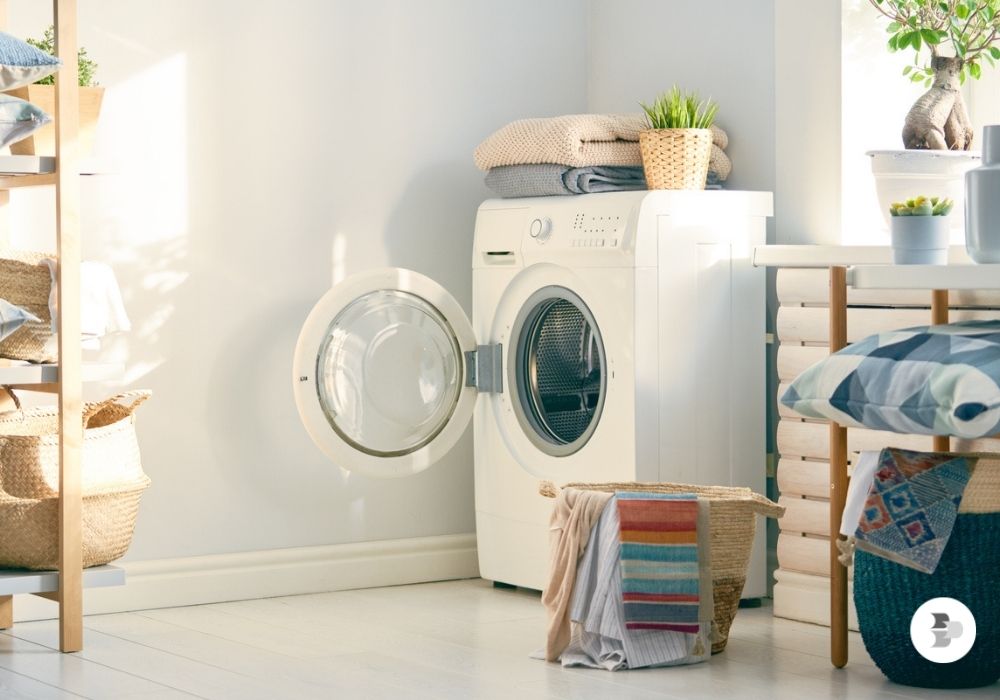
For additional home safety, consider investing in quality home appliances that meet safety standards, and learn about home security systems to protect your family in multiple ways. Don't forget that a prepared home is a safe home—from first aid supplies to proper food storage and refrigerator organization to prevent foodborne illnesses.