How to Store and Reuse Food the Right Way
Learn proper food storage, avoid waste, and create delicious recipes. Complete guide with timelines and practical tips.
Did you know that Americans waste about 29% of the food supply each year? That's equivalent to hundreds or even thousands of dollars down the drain per household. But here's the good news: with simple techniques, you can store leftovers safely, create delicious recipes, and save serious money.
Storing food incorrectly doesn't just create waste—it can cause serious health problems. A simple leftover stored wrong can develop dangerous bacteria within hours. But when you master the right techniques, you transform leftovers into convenient meals and save up to $1,500 per year for a family of four.
In this complete guide, you'll discover exactly how to store every type of food, safe consumption timelines, creative recipes to repurpose leftovers, and fatal mistakes that put your health at risk. Get ready to revolutionize your kitchen and never waste good food again.

Table of Contents
- Why Proper Food Storage Saves Your Health and Wallet
- The 5 Golden Rules for Safe Leftover Storage
- Real Timelines: How Long Each Food Lasts in the Fridge
- 12 Practical Recipes to Repurpose Leftovers
- How to Organize Your Fridge for Better Preservation
- Fatal Mistakes That Spoil Your Food and Health
- Frequently Asked Questions
- Conclusion
Why Proper Food Storage Saves Your Health and Wallet
According to recent data, American households produce over 42 million tons of food waste annually, and each time you throw away food, you're literally tossing money in the trash. But the problem goes beyond economics.
Improperly stored foods are the leading cause of foodborne illness at home. Bacteria like Salmonella can multiply rapidly at room temperature, causing everything from mild discomfort to serious hospitalization cases.
Real Benefits of Proper Storage
When you master the right storage techniques, the benefits are immediate and measurable:
Significant savings: The average American family of four throws away $1,500 worth of food yearly. Cutting this waste by just 50% means $750 back in your pocket annually.
Daily convenience: Having ready or semi-ready meals in the fridge saves 30-60 minutes daily. That means more free time and less stress during rushed meals.
Menu variety: Well-stored leftovers transform into new dishes. That roasted chicken becomes pot pie, the rice turns into rice balls, and holiday leftovers become gourmet sandwiches.
Guaranteed food safety: Proper refrigeration techniques maintain temperatures below 40°F, preventing bacterial growth and preserving essential nutrients longer.
If you want to transform your kitchen routine and make better use of your appliances, mastering storage is the first step.
The 5 Golden Rules for Safe Leftover Storage
There are fundamental principles that guarantee your leftovers stay safe for consumption. These rules are based on food safety standards and should be followed strictly.
Rule 1: Cool Food Quickly
Time is your biggest enemy when it comes to cooked food. Bacteria multiply exponentially between 40°F and 140°F—known as the "danger zone".
The right technique: Never leave cooked food at room temperature for more than 2 hours (1 hour when temperatures exceed 90°F).
To cool quickly, divide large portions into smaller, shallow containers. This increases surface contact with cold air and speeds the process. Another effective technique is an ice bath: place the food container in a larger basin with ice water.
Avoid putting hot pots directly in the fridge. This raises the internal refrigerator temperature and can compromise other foods.
Rule 2: Always Use Proper Containers
The type of container makes all the difference in preservation. Never store food in cooking pots inside the refrigerator—besides not sealing properly, metal pots can react with some foods.
Ideal containers:
- Glass containers with airtight lids: durable and don't retain odors
- BPA-free plastic containers with seals: practical and lightweight
- Food-grade plastic bags: ideal for freezing
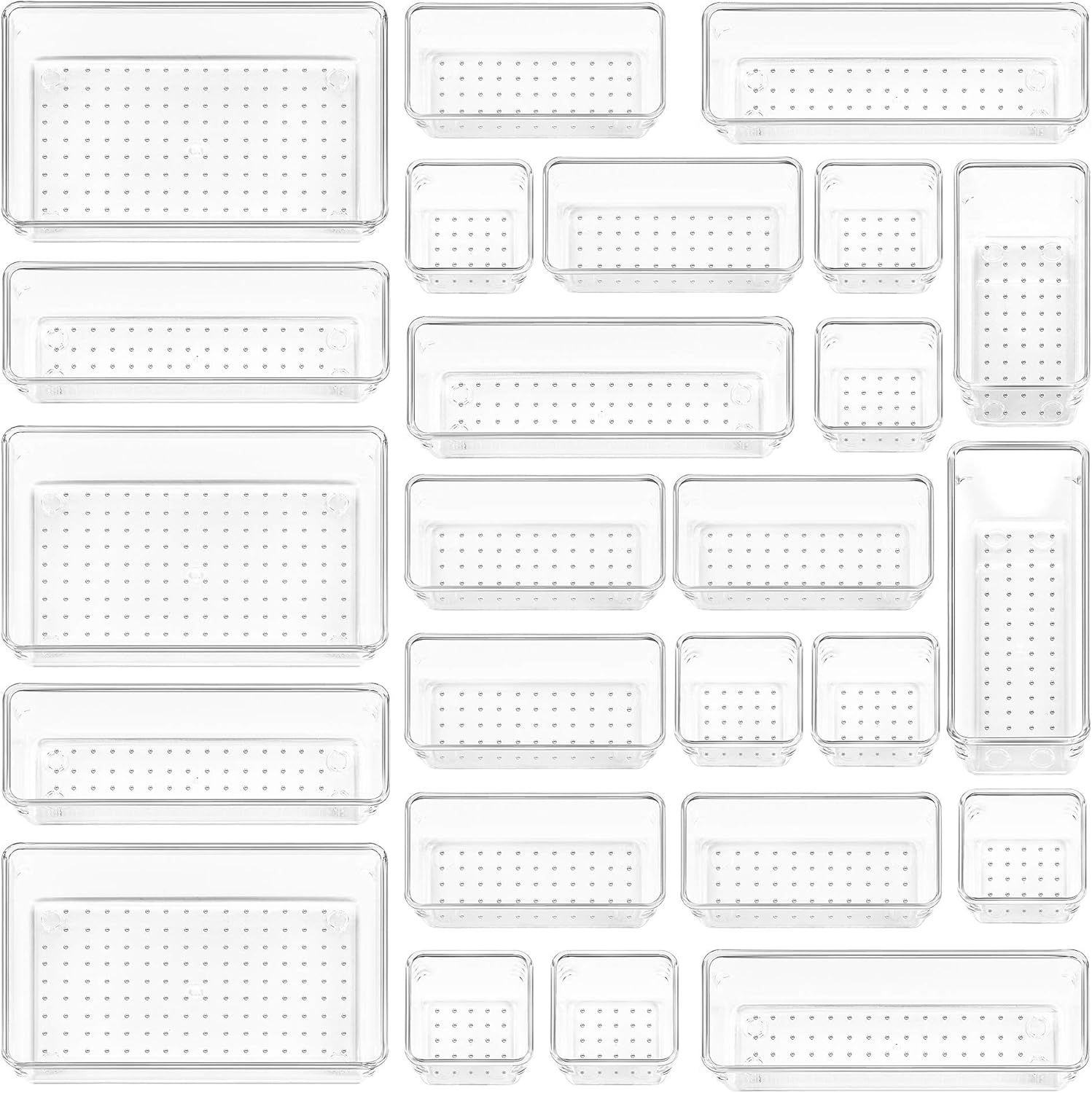
- Compartmentalized containers: perfect for meal prep
Always ensure lids are tightly sealed. This prevents air entry, which accelerates oxidation and bacterial growth. For those looking to better organize their kitchen, proper storage containers are essential.
Rule 3: Separate Raw from Cooked
Cross-contamination is a leading cause of foodborne illness at home. Raw foods, especially meats, can contain bacteria that are killed during cooking but contaminate ready-to-eat foods.
How to organize correctly: Always store raw meats on the lowest refrigerator shelf in sealed containers to prevent liquids from dripping onto other foods. Cooked leftovers should go on upper or middle shelves.
Never place ready-to-eat foods in contact with cutting boards, knives, or surfaces that touched raw foods without thoroughly sanitizing them first.

Rule 4: Label Everything with Dates
It sounds simple, but this is one of the most ignored yet important rules. Without identification, you don't know how long that container has been in the fridge.
Practical system: Use sticky labels or masking tape to mark the food name and the date it was stored. Also note the consumption deadline based on timeline guidelines.
Organize your fridge using the FIFO principle (First In, First Out). Always place older items in front to be consumed first.
Rule 5: Reheat Only Once
Each heating and cooling cycle creates conditions for bacterial multiplication. That's why you should reheat only the portion you'll consume immediately.
Safe reheating temperature: Food should reach at least 165°F internally. Use a food thermometer to ensure proper heating. In the microwave, stir food halfway through to distribute heat evenly.
If you're using cookware to serve, make sure it's clean to avoid re-contamination.
Real Timelines: How Long Each Food Lasts in the Fridge
Knowing the right timelines prevents both poisoning and waste. These times assume proper refrigeration between 32°F and 40°F.
Meats and Proteins
Cooked meats (chicken, turkey, beef, pork): 3-4 days refrigerated. Remove bones and stuffing, store in separate containers. Frozen, they last up to 2-3 months.
Cooked fish and seafood: 2-3 days maximum. These are the most perishable and require quick consumption. Never consume if there's a strong odor.
Hard-boiled eggs: 7 days with shell, 3-4 days peeled. Always keep refrigerated.
Carbs and Sides
Cooked rice: 2-3 days, but pay special attention here. Rice is one of the foods that most causes poisoning when improperly stored. Refrigerate immediately after cooling and never leave at room temperature.
Cooked pasta: 3-5 days without sauce. With tomato-based sauce: 3-4 days. With cream-based sauce: only 2 days.
Beans, lentils, and cooked chickpeas: 4-5 days. They're relatively sturdy, but watch for foam formation or sour smell.
Potatoes, cassava, and other cooked tubers: 3-4 days. They may dry out but remain safe if properly sealed.
Vegetables and Salads
Cooked vegetables (carrots, broccoli, cauliflower): 3-4 days. They lose texture but maintain nutritional value.
Dressed green salads: consume the same day. Leaves wilt and oxidize quickly with dressing.
Vegetable salads without greens: 2-3 days. Avoid excess dressing to extend duration.
Soups and Broths
Soups and broths: 3-4 days refrigerated. Heat only the portion you'll consume. Frozen, they last up to 3 months.
Tomato-based sauces: 5-7 days. They're more acidic and preserve better.
White and cream-based sauces: 2-3 days maximum. Very sensitive to bacterial growth.
Desserts and Fruits
Cakes without filling: 3-4 days well wrapped. With creamy filling: 2-3 days.
Pies with fruit filling: 3-4 days. With cream or whipped cream: maximum 2 days.
Cut fruits: 2-3 days in sealed container. Use lemon to prevent oxidation.
Whole fruits: varies greatly. Berries last 2 days, while apples and grapes hold up to 7 days.
12 Practical Recipes to Repurpose Leftovers
Transforming leftovers into new dishes is key to saving money and having menu variety. Check out these tested and approved recipes that rescue forgotten foods in the fridge.
Leftover Rice: 3 Rescue Recipes
Crispy Rice Balls: Mix 2 cups cold rice with 1 egg, 2 tablespoons grated cheese, seasonings to taste. Shape into balls and fry in hot oil until golden. Serves 4 in 15 minutes.
Baked Rice Casserole: In a baking dish, layer rice, chopped cooked vegetables, tomato sauce, and mozzarella cheese. Top with parmesan and bake at 350°F for 25 minutes.
Enhanced Fried Rice: Sauté onion and garlic, add cold rice, corn, peas, diced carrots, raisins, and seasonings. Finish with parsley. Ready in 10 minutes.
Leftover Beans: Transform Into Something New
Refried Beans: Blend 2 cups of beans with a bit of broth. In a pan, sauté chopped bacon, garlic, and onion. Add blended beans and let thicken. Serve with sautéed collard greens and crispy bacon.
Bean Veggie Burger: Mash beans well, mix with oat flour, seasonings, chopped onion, and egg. Shape patties and grill or bake. Healthy and economical option.
Creamy Bean Soup: Blend beans with vegetable broth in a blender. Bring to heat, add chopped vegetables, seasonings, and simmer for 15 minutes. Finish with olive oil and parsley.

Leftover Meat: Versatile Options
Meat and Veggie Pot Pie: Shred meat, mix with sautéed cooked vegetables. Place in baking dish, top with mashed potatoes or puff pastry and bake until golden.
Meat Croquettes: Mix shredded or ground meat with mashed potatoes, seasonings, and cheese. Shape croquettes, coat in flour, egg, and breadcrumbs. Fry until golden.
Quick Meat Wrap: Warm tortillas, fill with shredded meat, lettuce, tomato, cheese, and your favorite sauce. Roll and serve with fries or salad.
Leftover Vegetables: Guaranteed Creativity
Complete Veggie Farofa: Sauté onion and garlic, add all chopped leftover vegetables, gradually add cassava flour while stirring constantly. Finish with scrambled eggs, bacon, and fresh herbs.
Stuffed Omelet: Beat eggs with salt and pepper, pour into pan. When it starts to set, add chopped cooked vegetables and cheese. Fold in half and serve.
Nutritious Vegetable Soup: Sauté onion and garlic, add all chopped leftover vegetables, cover with water or broth. Cook until vegetables are tender. Blend half for creaminess.
To prepare these recipes with ease, having good pots makes all the difference in the final result.
How to Organize Your Fridge for Better Preservation
Proper fridge organization isn't just aesthetic—it directly affects how long your food stays fresh and safe.
Understand Temperature Zones
Your refrigerator doesn't have uniform temperature. Each area maintains a specific temperature range, ideal for certain foods.
Upper compartment/door: This is the warmest area (46-50°F). Ideal for condiments, commercial sauces, juices, and beverages. Never store eggs or milk here, despite many fridges having this space.
Upper shelves (39-41°F): Perfect for cooked leftovers, yogurts, cheeses, and ready-to-eat products. Keep everything in sealed containers.
Middle shelves (37-39°F): Reserve for dairy products like milk, butter, and eggs (yes, eggs should go here, not in the door).
Lowest shelf (32-36°F): The coldest in the fridge. Place raw meats, fish, and poultry here, always in sealed containers to prevent dripping.
Vegetable drawers: Maintain higher humidity. Ideal for fruits and vegetables that need moisture but not extreme cold.
Organization System That Works
Adopt a visual organization that makes it easy to locate and consume food within the proper timeline.
Zone 1 - Consume Today: Reserve a specific area (can be a shelf or part of one) for foods that need consuming the same day or tomorrow at the latest.
Zone 2 - Consume This Week: Foods with 2-4 day timeline. Most leftovers will go here.
Zone 3 - Stock: Commercial products, condiments, and longer-lasting foods.
Never overload the fridge. Cold air needs to circulate freely. If your fridge is always packed, maybe it's time to evaluate larger refrigerator options or do more frequent cleanouts.
Golden Maintenance Tips
Weekly cleaning: At least once a week, remove everything, discard expired items, and clean shelves with water and mild soap. This prevents contamination and bad smells.
Ideal temperature: Keep the refrigerator at 40°F or below. Use a fridge thermometer to verify. Temperatures above 40°F allow bacterial growth.
Don't block air vents: Leave space between foods and cold air outlets (usually in back or sides). This ensures proper circulation.
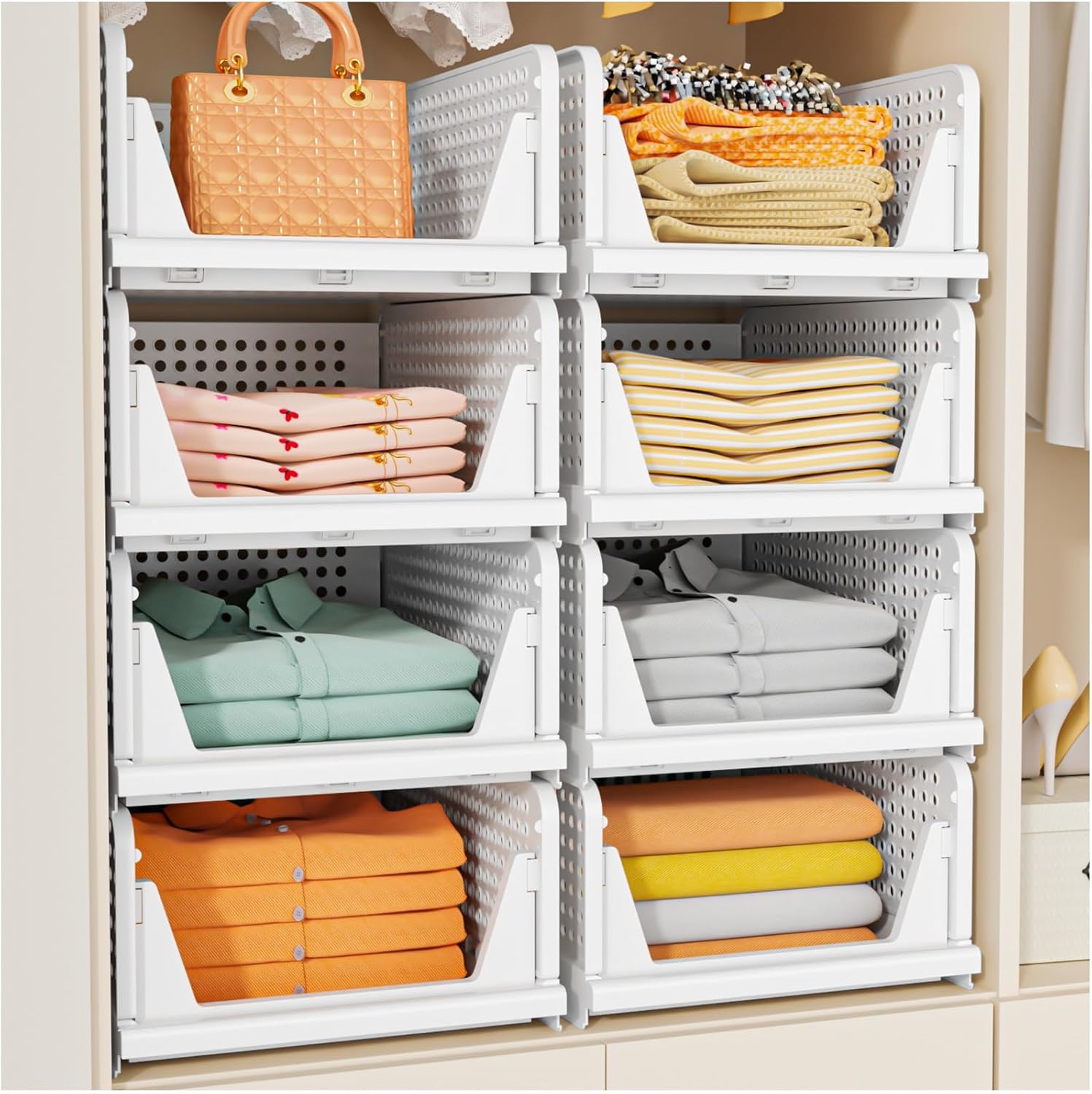
Transparent containers: Use see-through containers whenever possible. This makes it easy to see contents without opening, saving energy and time.
If you want to dive deeper into complete kitchen organization, don't miss our specific fridge organization guide.
Fatal Mistakes That Spoil Your Food and Health
Some mistakes are so common they seem harmless but put your health at real risk. Avoid these traps at all costs.
Mistake 1: Storing Hot Food in the Fridge
Many people make this mistake thinking they're doing the right thing by refrigerating immediately. The problem is very hot food raises the internal fridge temperature, compromising all other foods.
The right way: Let food cool to room temperature (86-104°F), which takes about 30-40 minutes. If you're in a hurry, use the ice bath trick with cold water. Then refrigerate normally.
Mistake 2: Trusting Smell as the Only Indicator
"If it doesn't smell bad, it's fine" is a dangerous phrase. Some pathogenic bacteria don't alter odor or appearance until advanced contamination stages.
The right approach: Always respect expiration timelines even if food looks and smells fine. Use common sense: if you don't remember when you stored that food, discard it. Your health is worth more than a few dollars.
Mistake 3: Refreezing Thawed Foods
Thawing and refreezing creates a temperature cycle that favors exponential bacterial multiplication. Each cycle degrades food quality and safety.
The solution: Thaw only the amount you'll consume. If you thawed too much, cook everything and then you can refreeze the already cooked food (which is technically a new dish).
Mistake 4: Using Inadequate Packaging
Storing food in disposable takeout containers, regular plastic bags, or containers without lids is asking for quick spoilage.
Always use: Containers with airtight seals, proper for foods. Invest in a good set of containers in different sizes. The cost pays for itself quickly with savings from reduced waste.
Mistake 5: Ignoring Cross-Contamination
Placing ready-to-eat food in contact with surfaces, utensils, or containers that touched raw foods is a leading cause of home poisoning.
Golden rule: Treat cutting boards, knives, and surfaces that touched raw meat as contaminated. Wash with hot water and detergent before any other use. Have separate boards for meats and vegetables.

Mistake 6: Leaving Rice at Room Temperature
Rice deserves special attention. It can contain spores of Bacillus cereus, a bacterium that survives cooking and multiplies rapidly at room temperature, producing toxins that cause vomiting and diarrhea.
Essential protection: Never leave cooked rice more than 1-2 hours out of the fridge. Refrigerate immediately after cooling and consume within 2 days maximum.
Frequently Asked Questions
How long can I store leftovers in the fridge?
Leftovers should be consumed within 3-4 days when refrigerated at 40°F or below. Dishes with sauces and cooked vegetables last about 2-3 days. Properly wrapped frozen foods can last up to 3 months.
Can I reheat food more than once?
It's not recommended to reheat food more than once. Each heating and cooling cycle increases bacterial contamination risk. Only reheat the portion you'll eat immediately.
How do I cool food quickly before storing?
Divide food into smaller portions using shallow containers. Place the container in an ice bath to speed cooling. This prevents bacterial growth in the danger zone between 40°F and 140°F.
Which foods shouldn't be refrigerated?
Avoid refrigerating fried and greasy foods, dishes with homemade mayonnaise for more than 1 hour, sauces with raw eggs, and crispy ingredients that lose texture.
How can I tell if stored food is still good?
Always check smell, color, and texture. Any changes mean the food should be discarded. Never taste suspicious food. When in doubt, throw it out.
Can I store food in the pot inside the fridge?
No. Always transfer to proper airtight containers. Pots can contaminate food and don't seal properly. Use glass or BPA-free plastic containers.
Can stored rice make you sick?
Yes. Rice left at room temperature for more than 2 hours can develop bacteria causing food poisoning. Refrigerate immediately after cooling and consume within 2 days.

Conclusion
Now you have all the knowledge needed to store and repurpose food safely and smartly. Proper storage techniques protect your health, save hundreds of dollars yearly, and make your kitchen routine much more practical.
Remember always: cool quickly, use proper containers, respect timelines, and organize the fridge—these are the pillars of safe storage. And when you transform leftovers into new recipes, you multiply those savings and still surprise the family with different dishes.
Start applying these tips today. Organize your fridge, invest in good containers, and never throw away good food again. Your health and wallet will thank you.