How to Save Energy - 13 Tips to Reduce Your Electricity Bill
Discover 13 practical tips to save electricity and reduce your electricity bill by up to 40% with simple changes.
Ever wonder how much electricity your appliances consume each month? Most people only notice when the bill arrives with shocking amounts.
Understanding energy consumption in kWh (kilowatt-hours) helps you control costs and use electricity intelligently. You'll identify energy hogs, optimize usage, and make smarter appliance purchases.
In this guide, I'll teach you practical ways to calculate consumption of major home appliances and share valuable tips to save energy without sacrificing comfort.
Table of Contents
- What is kWh and Why It Matters
- How to Calculate Appliance Energy Consumption
- Major Home Appliances Consumption
- Electric Water Heater: Biggest Energy Hog
- Air Conditioning: Calculate and Save
- Refrigerator and Freezer: Continuous Use
- TVs and Electronics: Budget Impact
- Washing and Drying Machines
- Tips to Reduce Energy Consumption
- Frequently Asked Questions
- Conclusion
What is kWh and Why It Matters
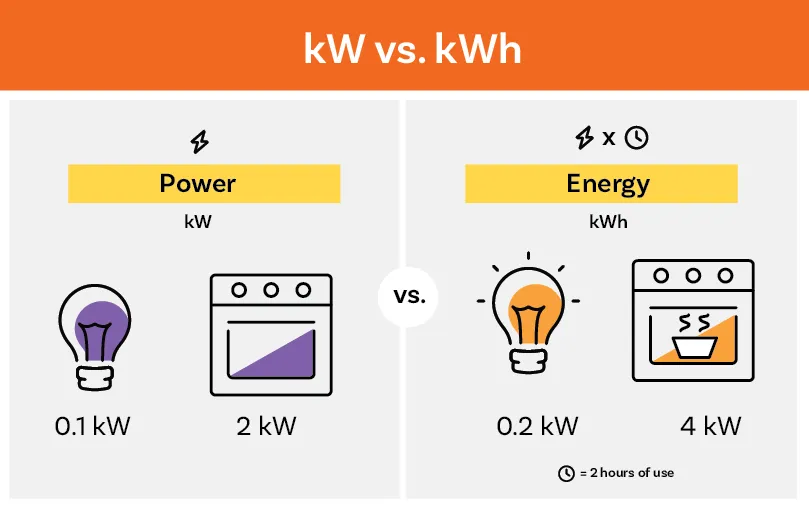
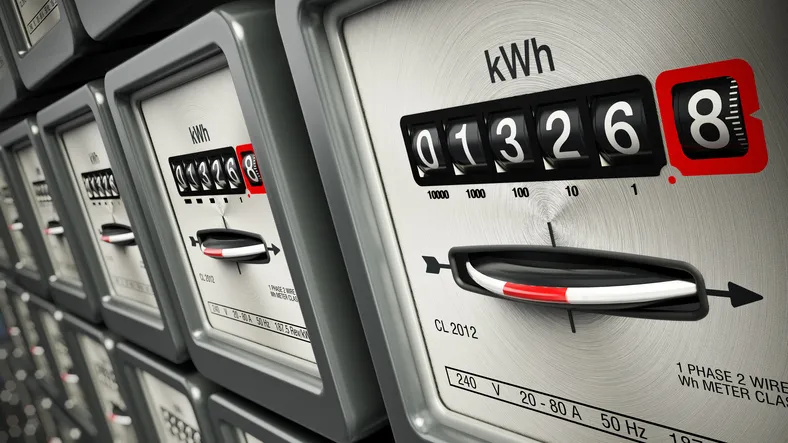
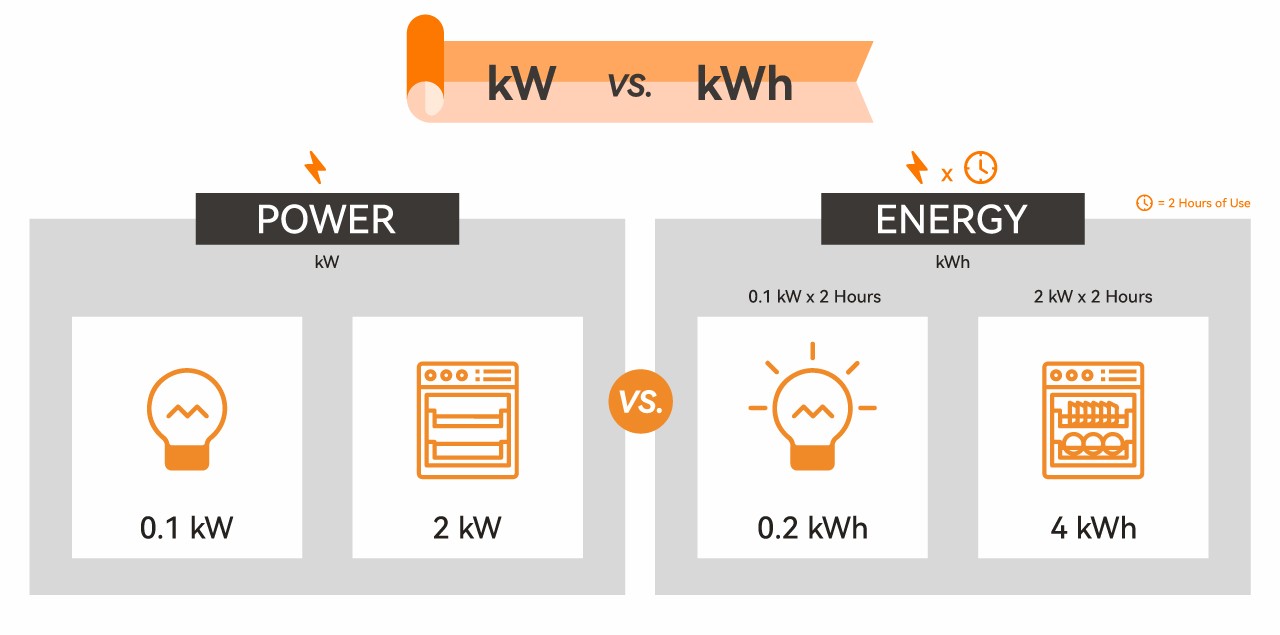
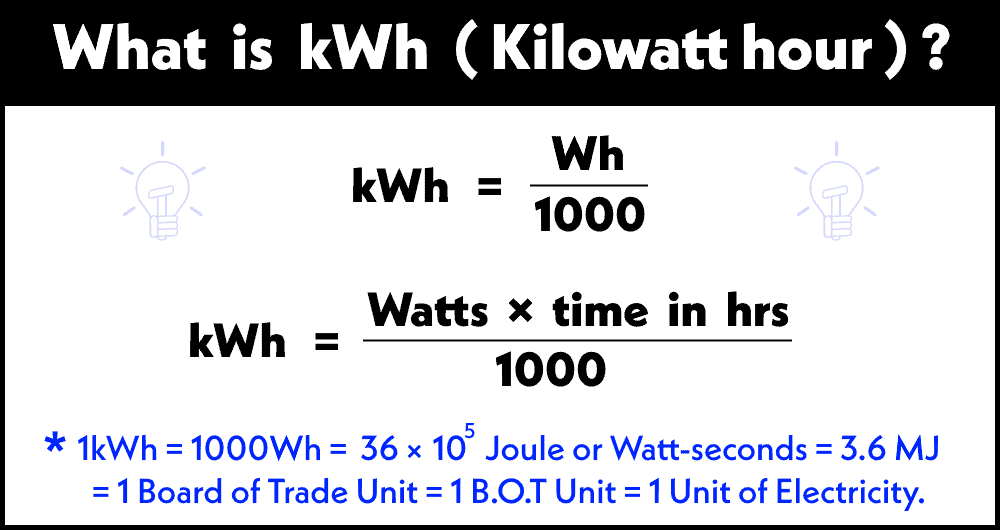
The kWh (kilowatt-hour) appears on your electric bill and represents energy consumed when a 1,000-watt appliance runs for one hour. Think of it as fuel for your household appliances.
Understanding the parts: "k" means thousand, "W" represents power in watts, and "h" indicates hours. A 2,000W appliance running 30 minutes (0.5h) consumes 1 kWh.
Why it matters for your wallet: Each kWh costs between $0.10 and $0.25 depending on location. Understanding consumption helps you make smarter decisions about appliance usage timing and methods.
Knowing consumption helps identify old, inefficient equipment inflating your bill unnecessarily. Old refrigerators can consume 3-4 times more energy than current models.
How to Calculate Appliance Energy Consumption
Calculating energy consumption is simpler than it seems. You need two pieces of information: appliance power (watts) and usage time (hours).
The basic formula: Consumption in kWh = (Power in Watts × Time in Hours) ÷ 1,000
Here's a practical example with a 1,200W iron used 1 hour weekly:
(1,200W × 1h) ÷ 1,000 = 1.2 kWh per week 1.2 kWh × 4 weeks = 4.8 kWh per month
At $0.15 per kWh, this iron costs $0.72 monthly. Small individually, but adding all appliances creates surprising totals.
Finding appliance power ratings: Check product labels or instruction manuals. Some appliances like refrigerators specify monthly kWh consumption directly from manufacturers.
Use smartphone apps or spreadsheets to track monthly consumption per appliance for complete control over energy expenses.
Major Home Appliances Consumption
Not all appliances consume equally, and knowing differences helps prioritize savings. Here's an overview of major appliances and typical consumption.
High consumption appliances (150+ kWh/month):
- Electric water heater: 240-600 kWh/month
- Central air conditioning: 450-1,200 kWh/month
- Old refrigerator: 300-450 kWh/month
Moderate consumption appliances (30-150 kWh/month):
- 50" LED TV: 45-75 kWh/month
- Washing machine: 24-45 kWh/month
- New refrigerator: 75-120 kWh/month
Low consumption appliances (under 30 kWh/month):
- Fan: 9-24 kWh/month
- LED bulbs: 6-15 kWh/month
- Chargers: 3-9 kWh/month
Values vary significantly based on power, efficiency, and usage time. Always check specifications for your specific equipment.
Focus on high-consumption appliances first. Small changes in water heating or air conditioning generate greater savings than unplugging all chargers.
Creating a comfortable home office setup helps monitor and control energy usage, especially when working from home balancing productivity with efficiency.
Electric Water Heater: Biggest Energy Hog
Electric water heating consumes the most energy in most American homes. A typical 4,500W heater used 2 hours daily can consume 270+ kWh monthly - about 60% of average family bills.
Calculating water heater consumption:
A 4,500W water heater running 3 hours daily:
(4,500W × 3h × 30 days) ÷ 1,000 = 405 kWh/month
At $0.15 per kWh, this costs $60.75 just for water heating - more than half the bill for many families.
Water heating savings tips:
- Lower thermostat to 120°F (49°C)
- Insulate tank and pipes
- Take shorter showers (reduce 2-3 minutes)
- Consider tankless heaters for better efficiency
- Install low-flow showerheads and faucets
Consider solar water heating for long-term savings. Higher initial investment pays off through bill savings within a few years.
Air Conditioning: Calculate and Save
Air conditioning is another major consumer, especially during hot summer months. Consumption varies dramatically by size (BTUs), efficiency, and usage time.
Values are approximate and vary by efficiency. Inverter technology models consume about 30% less energy through automatic power adjustment.
Air conditioning savings strategies:
- Maintain temperature between 74-78°F (23-26°C)
- Use ceiling fans for circulation
- Close doors and windows in cooled areas
- Clean filters regularly
- Choose Energy Star certified units
Program air conditioners to turn off during early morning hours when outside temperatures naturally decrease. Many models have automatic sleep functions.
For home workers, cool only the room you're working in instead of the entire house. This simple change can halve consumption.
Refrigerator and Freezer: Continuous Use
Refrigerators run 24/7, 365 days yearly. Choosing an efficient model makes huge long-term differences in electric bills.
Old refrigerators consume up to 4 times more energy than new models with same capacity. If yours is 10+ years old, consider replacement.
Refrigerator consumption reduction tips:
- Keep temperature 37-40°F (3-4°C) in fridge, 0-5°F (-18 to -15°C) in freezer
- Minimize door opening
- Let food cool before storing
- Keep refrigerator full but not overcrowded
- Clean coils regularly
Refrigerator location matters. Avoid placement near stoves or areas with direct sunlight, forcing motors to work harder maintaining internal temperature.
For efficient kitchen organization including proper refrigerator use, check our article on organizing your fridge correctly for practical space optimization tips.
TVs and Electronics: Budget Impact
Modern TVs are more efficient than older models, but still represent significant consumption portions, especially with many usage hours.
Other important electronics:
- Desktop computer: 45-75 kWh/month
- Laptop: 24-36 kWh/month
- Gaming console: 30-60 kWh/month
- Wi-Fi router: 18-24 kWh/month
Standby mode is a common trap. That little red TV light, unplugged chargers, microwave displays - all consume energy unnecessarily.
Electronics savings tips:
- Use power strips with switches for complete appliance shutoff
- Configure energy-saving mode on computers
- Avoid leaving chargers plugged in unused
- Consider Energy Star certified TVs
For heavy home entertainment consumers, invest in an efficient media center instead of running multiple devices simultaneously.
Upgrading your entertainment setup? Consider investing in the best smart TVs to buy for better energy efficiency and features.
Washing and Drying Machines
Washing machines are relatively economical, but consumption varies greatly by usage frequency and selected programs.
Typical washing machine consumption:
- Standard top-load washer: 2.5-4 kWh per load
- High-efficiency front-load: 1.5-2.5 kWh per load
- Usage 3x weekly: 30-48 kWh/month
- Monthly cost: $4.50-7.20
Washer-dryer combos consume much more:
- Power: 2,000-3,000W
- Consumption per complete cycle: 4-6 kWh
- Usage 2x weekly: 32-48 kWh/month
- Monthly cost: $4.80-7.20
The big energy hog is the drying function using electric heating elements. When possible, use only washing and hang clothes to dry.
Savings tips:
- Use cold water whenever possible
- Wash only with full loads
- Choose eco-friendly programs
- Avoid unnecessary drying function
Wash clothes during off-peak hours (usually 10 PM to 6 AM) when energy rates may be cheaper in some areas.
For household task optimization guidance, check our comprehensive guide on keeping your kitchen clean and organized.
Regular maintenance matters. Machines with clean filters and no mechanical problems consume less energy and last longer.
Tips to Reduce Energy Consumption
Now that you know how to calculate major appliance consumption, here are practical tips to significantly reduce electric bills without sacrificing comfort.
Habit changes that make a difference:
1. Replace bulbs with LEDs A 60W incandescent bulb consumes 18 kWh/month, while equivalent LEDs consume only 3 kWh/month. That's 83% savings!
2. Use natural light Open curtains and blinds during daytime. Well-naturally-lit homes can reduce bulb usage by 50% during daylight hours.
3. Unplug appliances from outlets Standby mode consumes energy 24/7. Appliances in standby can consume 15-20 kWh/month unnecessarily.
4. Optimize air conditioning use Use ceiling fans with air conditioning. This maintains 2-3°F higher temperature while keeping comfort, saving up to 30% energy.
5. Cook intelligently Use pressure cookers for faster cooking, leverage stove residual heat, and avoid opening ovens unnecessarily.
Medium-term payoff investments:
- Solar water heating: Reduces 70-90% of water heating costs
- Energy Star appliances: Consume 30-50% less energy
- Thermal insulation: Reduces air conditioning needs
- Smart home systems: Automatically control lights and appliances
For systematic household savings approaches including energy control, investing in smart home devices provides automated energy management and significant long-term savings.
Control and monitoring:
Consider individual energy meters to track major appliance consumption. Wi-Fi models allow real-time phone monitoring.
Keep monthly records of total consumption and major appliances. This identifies unusual increases and evaluates implemented change impacts.
For comprehensive home organization including energy efficiency, explore our guide on keeping your bathroom clean and organized, including efficient bathroom appliance usage tips.
Additional Energy-Saving Strategies:
Time-of-Use Planning: Many utility companies offer time-of-use rates where electricity costs less during off-peak hours. Plan major appliance runs like dishwashers and washing machines during cheaper periods.
Seasonal Adjustments: Adjust home energy usage seasonally. In winter, lower thermostats 2-3 degrees and use extra blankets. In summer, raise them similarly and use fans for circulation.
Regular Maintenance: Keep HVAC systems, water heaters, and major appliances well-maintained. Clean filters, tune-ups, and timely repairs improve efficiency by 10-25%.
Smart Power Strips: Invest in advanced power strips that automatically cut power to devices in standby mode, eliminating phantom loads accounting for 5-10% of total electricity use.
For comprehensive home efficiency improvements, explore energy-efficient vacuum cleaners maintaining clean spaces without excessive power consumption.
Frequently Asked Questions
What is kWh and why does it matter for my electric bill?
kWh (kilowatt-hour) measures energy consumption. It's the amount of energy a 1,000-watt appliance uses in one hour. Your bill charges per kWh consumed, typically $0.10-$0.25.
How do I calculate my appliance's energy consumption?
Use this formula: (Power in Watts × Hours Used) ÷ 1,000 = kWh. For monthly consumption, multiply by days used per month.
Which appliances consume the most energy?
Electric water heaters (240-600 kWh/month), central air conditioning (450-1,200 kWh/month), and old refrigerators (300-450 kWh/month) are the biggest consumers.
Can I reduce my electric bill without sacrificing comfort?
Yes! Focus on high-consumption appliances first, adjust temperatures slightly, use efficient LED bulbs, and maintain equipment properly for 20-40% savings.
Is it worth replacing old appliances with energy-efficient models?
Absolutely. New Energy Star appliances consume 30-50% less energy. Old refrigerators can use 4x more power than modern models, paying for replacement in 3-5 years.
How much does standby mode really cost?
Appliances in standby mode collectively consume 5-10% of total household electricity, often 15-20 kWh/month or $2-4 monthly. Use power strips to eliminate this waste.
What temperature should I set my air conditioner to save energy?
Set air conditioners to 74-78°F (23-26°C) for optimal efficiency. Each degree lower increases consumption by approximately 3-5%.
Conclusion
Understanding home appliance energy consumption is the first step to controlling electric bills. With information and tips from this guide, you can:
- Calculate exactly how much each appliance consumes monthly
- Identify the biggest energy hogs in your home
- Implement simple changes generating real savings
- Make smarter decisions when buying new appliances
Small usage habit changes generate big yearly savings. Start with highest consumption appliances - water heating, air conditioning, and refrigeration - then gradually implement other tips.
Maintain control and track results. With dedication and right strategies, reduce electric bills 20-40% without sacrificing comfort you and your family deserve.
For more home efficiency and organization tips, continue following our articles on saving electricity at home and explore energy-efficient solutions for every room.
Whether upgrading your home office essentials, improving your living room setup, or enhancing your reading corner with a Kindle, remember that energy efficiency should be part of every purchasing decision.