Stove Types: How to Choose the Perfect One for Your Home
Find your ideal stove type: gas, electric, induction, or cooktop. Compare features and save with the right choice.
You're replacing your stove and feeling overwhelmed by all the options? Gas ranges, electric, induction, cooktops, slide-in models... There are over 7 different types on the market.
The wrong choice can cost you big time. A stove that doesn't fit your family size wastes time and energy. Or worse: you drop serious cash on an expensive model that doesn't work with your cooking routine.
In this complete guide, you'll discover exactly which type of stove fits your needs. I'll show you the real differences between each model, practical pros and cons, and how much each one impacts your utility bills.
You'll learn which stove works with your kitchen size, how many burners you actually need, and how to choose without any regrets.

Table of Contents
- Why Your Stove Choice Matters So Much
- Freestanding Ranges: The Traditional Workhorse
- Slide-In Ranges: Sleek Look for Modern Kitchens
- Gas Cooktops: Modern Style Meets Convenience
- Electric Cooktops: Tech-Forward and Easy to Clean
- Induction Cooktops: The Most Advanced Option
- How to Figure Out How Many Burners You Need
- Stainless Steel or Glass Top: Which Is Better
- Frequently Asked Questions
- Conclusion: Making the Right Choice
Why Your Stove Choice Matters So Much
Your stove is the most-used appliance in your kitchen. You'll fire it up at least 2-3 times a day for the next 8-12 years.
A bad choice directly affects your daily life. Imagine buying a 4-burner stove when you need to cook for 6 people. Or investing in a pricey induction cooktop only to find out you need to replace all your pots and pans.
What Actually Changes Between Stove Types
Each type of stove functions differently and serves specific needs. The difference isn't just looks or price.
Energy efficiency: Gas stoves cost around $40-60 per propane tank that lasts 1-2 months. An electric or induction stove can add $50-100 to your monthly electricity bill depending on usage.
Cooking speed: An induction cooktop boils 2 quarts of water in 4 minutes. The same task takes 8-10 minutes on a conventional gas stove. That's time saved that adds up over the year.
Space requirements: Freestanding ranges measure 30-36 inches wide and 24 inches deep. Cooktops only take up counter space, freeing up room underneath for cabinets or other appliances.
Maintenance and cleanup: Glass-top models take 2 minutes to wipe down with a damp cloth. Stoves with removable grates and burners need 10-15 minutes of detailed scrubbing.
Once you understand these differences, you can pick the model that truly fits your routine. Check out our guide on how to organize your kitchen to maximize your available space.
Freestanding Ranges: The Traditional Workhorse
A freestanding range is the conventional model you'll find in most American homes. It comes complete with burners on top and a built-in oven below.
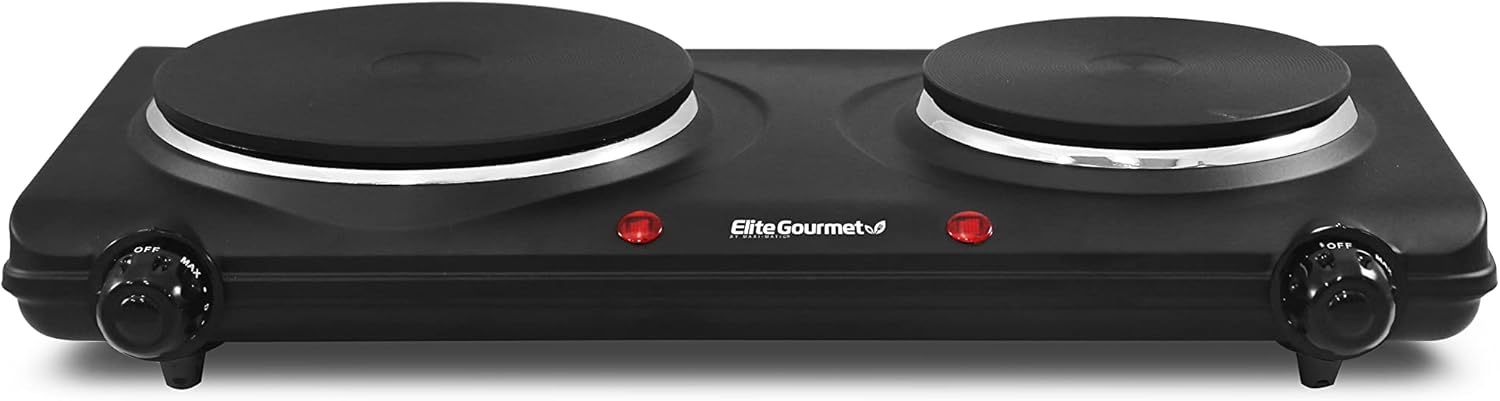
This model runs on natural gas (from your home's gas line) or propane (from a tank). You connect the gas line or tank directly to the range, and you're ready to cook.
Benefits of Freestanding Ranges
The main advantage is installation simplicity and flexibility. You don't need a carpenter or countertop modifications.
Easy installation: Just position the range where you want it, hook up the gas, and make sure it's level. You can do it yourself in 10 minutes.
Tons of options: Find models with 4, 5, or 6 burners, stainless steel or glass tops, auto-ignition, digital timers, and even power burners for quick cooking.
Oven included: The built-in oven holds 50-80 liters (about 13-21 gallons), perfect for roasting meats, baking cakes, and making casseroles. Some models have double ovens with independent temperature controls.
Great value: You can find solid 4-burner models starting at $500-800. Established brands offer 1-year warranties and service centers nationwide.
Works with any cookware: Accepts any type of pan - aluminum, stainless steel, cast iron, glass, ceramic. Zero restrictions.
Things to Watch Out For
Cleaning under the range requires pulling it out periodically. The legs lift it about 6 inches off the floor, creating a space where dirt accumulates.
Basic models have manual ignition, requiring matches or a lighter. It's worth spending an extra $50-100 for auto-ignition versions.
Best for: Families of any size, people who use the oven a lot, homes with standard kitchen layouts, and anyone prioritizing value without sacrificing complete functionality.
Slide-In Ranges: Sleek Look for Modern Kitchens
A slide-in range works the same as a freestanding range but without the legs. It's suspended, fitting flush with your kitchen countertop.

Visually, it creates a continuous line with the counter, giving that professional, custom kitchen vibe. The oven sits below, now at counter height.
Benefits of Slide-In Ranges
The main advantages are aesthetic and ergonomic. Your range sits at the ideal height, preventing you from bending too much while cooking.
Easier cleaning: Since there's no gap underneath, no dirt collects on the floor. You only clean the counter around it, saving time and effort.
Better posture: The elevated height (usually 34-36 inches from the floor) is more comfortable for cooking. This prevents back pain, especially if you spend lots of time in the kitchen.
Integrated look: Blends perfectly with planned kitchens, creating visual harmony with cabinets and counters. Can boost your home's value by 3-5% on the market.
Same features: Keeps all the functions of freestanding ranges - full oven, multiple burners, auto-ignition, timers.
Things to Watch Out For
Installation requires carpentry work. You need a precise cutout in the counter to fit the range perfectly.
This service costs between $200-400 depending on your region and countertop material. Measure your available space accurately before buying.
Another point: once installed, moving the range elsewhere or switching models is more challenging. Think of this as a long-term investment.
Best for: Planned or remodeling kitchens, people who value design and visual organization, folks with back problems who need better ergonomics.
If you're planning to renovate your kitchen, check out our kitchen organization guide to make the most of every inch.
Gas Cooktops: Modern Style Meets Convenience
A gas cooktop is basically the top part of a range - just the burners, no oven. It's installed flush in the counter, freeing up all the space below.

It works exactly like a traditional gas stove, with burners and adjustable flame. The difference is the compact design and installation method.
Benefits of Gas Cooktops
Gas cooktops offer the familiarity of gas with the convenience of a modern, space-saving design.
Space saver: Frees up all the space below the counter for cabinets, a built-in dishwasher, or even a separate oven when needed.
Familiar gas hookup: Uses the same gas connection you already know. If you already have gas in your home, switching is simple.
Visual flame control: You see the flame intensity and adjust it instantly. This gives more control when making delicate dishes like sauces and risottos.
Any cookware works: No material restrictions. Use your regular aluminum, stainless steel, cast iron, glass, or ceramic pans.
Affordable: 4-burner models start around $400-600, offering solid value for anyone wanting to modernize without breaking the bank.
Things to Watch Out For
Without an oven, you'll need to buy a separate countertop oven if you bake regularly. Good electric ovens cost $250-500.
Installation also requires a countertop cutout and carpentry work. Keep at least 24 inches distance from windows and curtains for safety.
Best for: People who don't use the oven much or already have a separate oven, small kitchens where every inch counts, folks who want modern design without giving up gas, singles or couples cooking for just a few people.
Electric Cooktops: Tech-Forward and Easy to Clean
An electric cooktop replaces gas with electric heating elements under a smooth ceramic glass surface. Just plug it in and you're ready to cook.

Under the smooth tempered glass surface, electric coils heat specific zones. When you place a pan over these zones, heat transfers to the pan's bottom.
Benefits of Electric Cooktops
The main advantage is convenience. No propane tank, no hoses, no worrying about gas leaks.
Simple setup: Just needs a 220V outlet. No gas line or tank required. Perfect for apartments without gas hookups.
Super easy cleaning: The smooth, flat surface has no cracks or grates. Wipe with a damp cloth and you're done. Cleaning takes 2 minutes versus 10-15 for gas models.
Precise digital control: Many models have touchscreen panels with fine temperature adjustment. Some include auto timers that shut off after the programmed time.
Increased safety: No open flame reduces risk of accidental burns. Great for homes with young kids.
Sophisticated design: The black glass surface or elegant finish adds value to your kitchen decor.
Things to Watch Out For
Energy consumption is the main factor to consider. A 4-burner electric cooktop uses about 5,000-7,000W at maximum.
If you cook 2 hours daily, it can add $50-80 to your monthly electricity bill. Calculate whether this cost fits your budget.
The glass surface takes longer to cool down after turning off. Watch for the residual heat indicator to avoid burns.
Also doesn't work with warped or uneven-bottom pans. Only use cookware with perfectly flat bottoms.
Best for: Apartments without gas, people prioritizing cleanliness and convenience, modern minimalist kitchens, folks with room in their electricity budget.
To complete your modern kitchen with practical tools, check out options that match the electric cooktop design.
Induction Cooktops: The Most Advanced Option
An induction cooktop represents the most modern technology available. It uses an electromagnetic field to heat the pan's bottom directly, without heating the surface.

Here's how it works: electromagnetic coils under the glass create a magnetic field when you turn it on. This field induces electric currents in the pan's bottom (if it's magnetic), heating only the pan and food.
Benefits of Induction Cooktops
This is the fastest and most efficient stove that exists today. The technology brings impressive benefits.
Blazing speed: Boils 2 quarts of water in 3-4 minutes. A gas stove would take 8-10 minutes. That's up to 50% time savings on meal prep.
90% efficiency: While gas stoves only transfer 40-50% of heat to the pan (the rest escapes into the air), induction transfers 90% directly to your food.
Cool surface: The surface doesn't get hot. Only the area under the pan gets slightly warm. You can put your hand next to the pan with zero danger.
Pinpoint temperature control: Fine power adjustment allows millimeter-precise control. Perfect for melting chocolate, making delicate sauces, or keeping food warm.
Energy savings: Despite being electric, it cooks so fast that it uses less total energy than a conventional electric cooktop.
Maximum safety: Shuts off automatically if it doesn't detect a pan. No flame, no hot surface, no risks.
Things to Watch Out For
Induction cooktops need magnetic-bottom pans. Pure aluminum, copper, glass, or ceramic pans won't work.
To test if your pan works, stick a magnet to the bottom. If it sticks, you're good. If not, you'll need new pans. Quality compatible pans cost $100-250 each.
The equipment price is also higher. 4-burner models start at $1,000-1,500, while gas cooktops cost $400-600.
Some models need reinforced electrical installation, similar to electric water heaters. Consult an electrician before buying.
Best for: People who value speed and maximum efficiency, families with children (safety), cooks who demand precise control, folks with budget to invest in cutting-edge technology.
How to Figure Out How Many Burners You Need
The number of burners directly impacts price and space occupied. No point buying 6 burners if you only use 3, or saving money on 4 burners when you need 5.
Basic Rule By Number of People
Use this simple formula as a starting point:
1-2 people: A 2-burner cooktop works perfectly. You'll rarely use more than 2 pots simultaneously. Saves space and money.
3-4 people: A 4-burner stove is ideal. Lets you cook rice, beans, meat, and a side dish at the same time.
5-6 people: Go for at least 5 burners. You'll need 4-5 pots for complete meals, especially on weekends.
7+ people or frequent hosts: A 6-burner stove or even commercial-style models are more suitable.
Adjust for Cooking Habits
Besides number of people, consider how you cook:
Cook complete meals daily: Add 1 burner to the basic recommendation. Meals with rice, beans, protein, veggies, and sauce need more space.
Host friends and throw parties: Prioritize 5-6 burners. You'll need them all when preparing large quantities.
Use lots of pressure cookers and big skillets: Make sure the stove has at least 1 high-power burner (triple-flame) and adequate spacing.
Cook rarely or order delivery often: 4 burners are more than enough, even for larger families.
If you're setting up a functional kitchen from scratch, also consider space for other essential appliances.
Stainless Steel or Glass Top: Which Is Better
The stove's surface - where the burners sit - can be stainless steel or tempered glass. Each material has specific characteristics.
Stainless Steel: Tough and Long-Lasting
Stainless steel is the most traditional and resistant material. Handles dropped pans, hot grease splatters, and years of heavy use.
Stainless steel pros:
- Extremely durable - won't crack or break from impacts
- Resists surface scratches without affecting function
- Professional, timeless look that matches any decor
- Cheaper than glass models
Stainless steel cons:
- Water and grease stains show easily
- Requires specific products to maintain shine
- Scratches are visible even when they don't affect use
- Cleaning demands more attention to avoid stains
Best for: Families with kids, people who cook a lot and intensely, folks prioritizing durability over looks, commercial or semi-professional kitchens.
Glass Top: Elegant and Easy
Tempered glass brings visual sophistication and makes daily cleaning way easier. It's heat-resistant and doesn't stain.
Glass pros:
- Extremely easy cleaning - just a damp cloth
- Doesn't stain from water or grease
- Elegant modern look that enhances your kitchen
- Smooth surface with no crevices where dirt accumulates
Glass cons:
- Can crack or break from very hard impacts
- Requires care when handling heavy pans
- Costs 15-25% more than stainless models
- Scratches are permanent (avoid steel wool)
Best for: People who value design and convenience, modern planned kitchens, folks with busy schedules needing quick cleanup, homes where the stove is a decorative focal point.
Also consider investing in quality cookware that protects both glass and stainless steel, extending your stove's lifespan.
Frequently Asked Questions
Which type of stove is more budget-friendly: gas or electric?
Gas stoves are generally cheaper to run month-to-month. While a propane tank costs around $40-60 and lasts 1-2 months, electric or induction stoves can add $50-100 to your monthly electricity bill, depending on usage. However, induction stoves are 90% energy-efficient, cooking faster and offsetting some of that cost.
Does an induction stove work with any cookware?
Nope. Induction stoves need magnetic-bottom pans, like cast iron, magnetic stainless steel, or tri-ply cookware. Aluminum, glass, pure copper, or ceramic pots won't work. To test if your pan works, stick a magnet to the bottom. If it sticks, you're good to go.
Is a cooktop worth it over a regular range?
Depends on how you cook. Cooktops are perfect for planned kitchens, small spaces, or if you rarely use the oven. They save space and look sleek. But if you're baking cakes, roasting chicken, and making casseroles regularly, a range with a built-in oven is more cost-effective than buying a cooktop plus a separate oven.
How many burners does a family of 4 need?
For families of 3-4 people, a 4-burner stove works great. If you're cooking multiple pots at once or hosting friends often, a 5-burner model gives you more flexibility. Families over 5 people or folks who cook big meals daily benefit from 5-6 burners.
Is a glass cooktop hard to clean?
Actually, it's easier. The smooth glass surface doesn't trap grease in cracks like models with grates do. Just wipe it down with a damp cloth and mild dish soap after cooking. Skip abrasive cleaners and steel wool to avoid scratches. Cleaning takes about 2 minutes versus 10-15 for traditional models.
Can I install a slide-in range in my existing kitchen?
Yes, but you'll need some work done. You need a precise cutout in the countertop to fit the range. The carpentry work costs between $200-400 depending on your area. Measure your space carefully before buying and check the exact dimensions of your chosen model. If you'd rather skip the carpentry, stick with a freestanding range.
What's the difference between an electric cooktop and an induction cooktop?
Electric cooktops use heating coils that warm up the glass surface, which then heats your pan. Induction cooktops use an electromagnetic field that heats the pan directly, making it 30% faster and more efficient. Induction cools down in seconds after removing the pan, while electric stays hot for several minutes.

Conclusion: Making the Right Choice
Now you know the 7 main types of stoves available on the market and understand exactly what sets each one apart. The right choice depends on three factors: your budget, available space, and cooking habits.
If you cook a lot and use the oven frequently, a freestanding or slide-in range with 5-6 burners is your best bet. For folks prioritizing modern design who don't use the oven much, cooktops offer convenience and beauty. And if speed and efficiency are priorities, the induction cooktop is unbeatable.
Before deciding, compare current prices and evaluate which model fits best with your daily routine. With the information in this guide, I'm confident you'll make a smart choice that'll last the next 10 years.
For more kitchen tips, check out our guides on choosing the best cookware, selecting a microwave, and finding the perfect air fryer to complete your cooking setup.