
How to Choose the Perfect Armchair for Your Home
Discover how to pick the right armchair for any space. Expert tips on comfort, size, and style to nail your purchase.
Ever spent hours hunting for the perfect armchair only to end up frustrated by endless options? Here's the truth: 68% of people choose armchairs based purely on looks and regret it within 6 months. The problem isn't the chair—it's the buying criteria.
A poorly chosen armchair can cause back pain, hog space, or simply clash with your room. Worse yet: you'll waste money on something you won't even use.
In this complete guide, you'll discover the 7 essential criteria that transform an ordinary purchase into a smart investment. I'll show you exactly how to evaluate size, comfort, materials, and style to find the ideal armchair for your home.


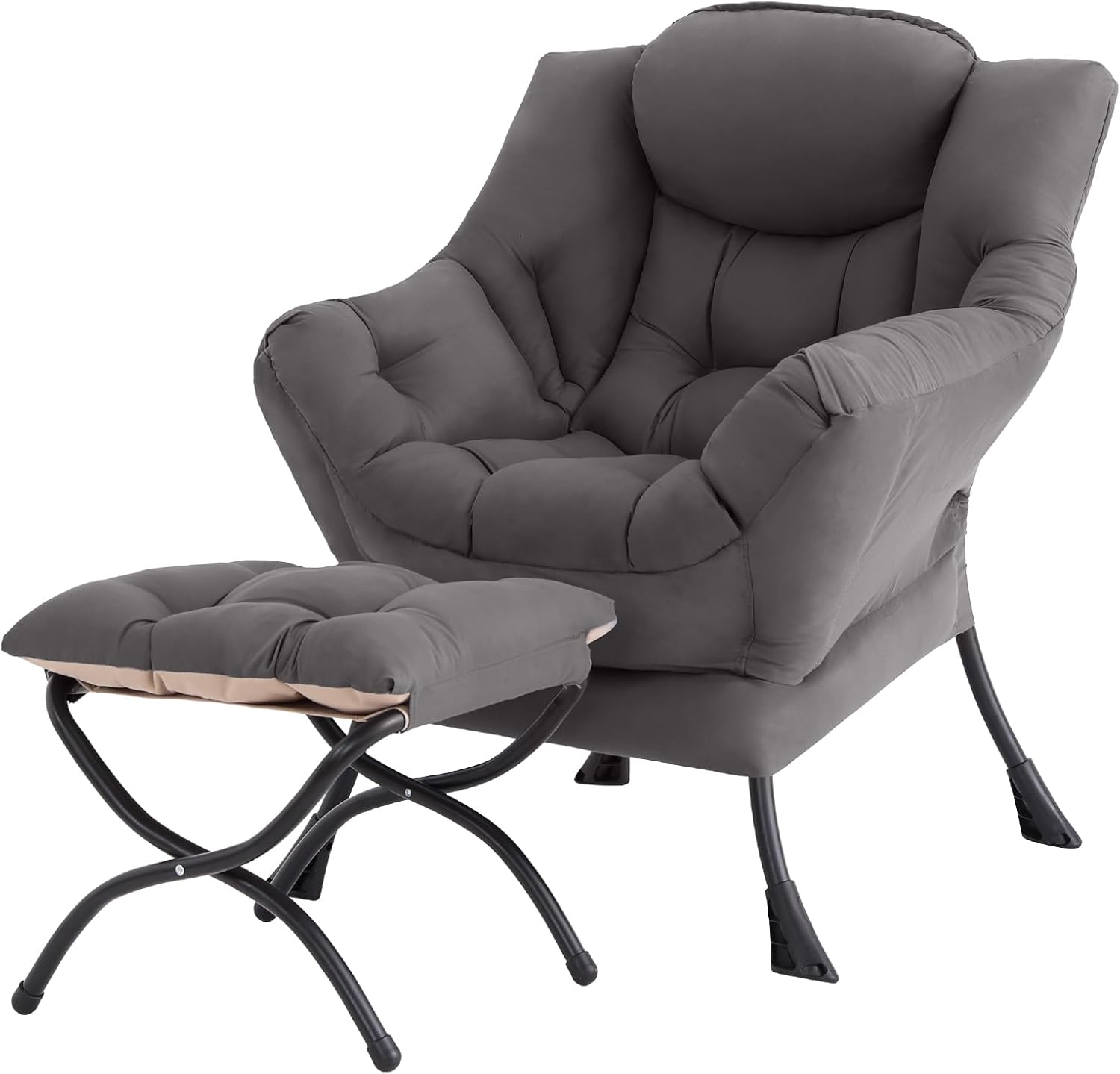

Table of Contents
- Define Your Purpose First
- Measure Your Space Precisely
- Understand Armchair Types
- Evaluate Comfort Through Foam
- Choose the Right Upholstery
- Consider Your Room's Style
- Check Structure and Warranty
- Frequently Asked Questions
- Conclusion
Define Your Purpose First
The biggest mistake when buying an armchair is not knowing exactly what you'll use it for. Each function requires specific features that make all the difference in your daily life.
A reading chair needs firm back support and wide arms to rest your elbows. Meanwhile, a TV chair requires more recline and foot support. Understanding this upfront saves time and money.
Armchair for Relaxing and TV
If your goal is kicking back to binge shows or movies, you need maximum body comfort. The backrest should recline at least 20 degrees and fully support your head.
Essential features:
- Reclining back or model with built-in ottoman
- Depth greater than 34 inches to accommodate legs
- Wide, cushioned arms
- Soft fabrics like velvet or chenille
Real benefit: Spending 3 hours watching a film without discomfort or back pain. Proper posture also improves sleep quality afterward.
Armchair for Reading and Study
Reading demands a more upright posture than watching TV. Your body needs firm support without sinking too deep into the seat. Height is also crucial for maintaining concentration.
Essential features:
- More vertical backrest (between 95-105 degrees)
- Seat height between 16-18 inches
- Arms at ideal height for holding books or tablets
- Adequate side lighting (consider this in placement)
A well-chosen reading chair lets you stay comfortable for hours without straining your spine or neck. This makes all the difference in your productivity and reading enjoyment. For more tips on creating the perfect reading nook, check out our guide on choosing the best home office chair.
Decorative Armchair
Not every armchair needs to be ultra-comfortable. Some serve mainly to add personality to your space. But heads up: decorative doesn't mean uncomfortable.
What to prioritize:
- Eye-catching design and vibrant colors or sophisticated neutrals
- Compact size that doesn't overwhelm the space
- Interesting geometric shapes or curves
- Minimum comfort for sitting 20-30 minutes
Strategic tip: Use decorative chairs in empty corners, beside bookshelves, or as a focal point in your entryway. They fill space visually without taking up too much room.
Measure Your Space Precisely
Buying an armchair without measuring available space is like buying clothes without trying them on. The odds of getting it wrong are sky-high. Correct measurements prevent receiving furniture that doesn't fit or makes your room feel cramped.
The 18-Inch Rule
This is the golden rule of interior design. Leave at least 18 inches of clearance around your armchair for comfortable circulation. In smaller spaces, 14 inches is the bare minimum.
How to measure correctly:
- Use a tape measure and mark with painter's tape on the floor where the chair will go
- Add 18 inches on each side (front, back, and sides)
- Walk around this marked area
- If it feels tight or you're bumping into furniture, the chair's too big
In compact living rooms, opt for armless models or chairs with slim arms. This saves up to 8 inches of total width without sacrificing essential comfort. Looking for more space-saving furniture ideas? Our best mini-fridges guide has tips for maximizing small spaces.
Proportion With Other Furniture
An out-of-proportion armchair breaks the visual harmony of your entire room. Balance between furniture pieces creates a sense of organized, inviting space.
Practical proportion rule:
- The chair shouldn't exceed 70% of your sofa's height
- In small rooms, prefer chairs with maximum height of 33 inches
- Ideal width for medium-sized rooms is 30-36 inches
If you've got a large sofa that's 8 feet long, a 32-inch wide chair creates perfect balance. In small rooms with a 6-foot sofa, 28-inch chairs look more harmonious. When furnishing your entire living space, consider browsing quality sofas and seating options that complement your armchair choice.

Understand Armchair Types
Each armchair type was designed for a specific need. Knowing these differences helps you choose the right model without spending more than necessary.
Traditional Fixed Armchair
The fixed chair is the classic, most versatile model. It has a rigid structure, fixed back, and works well for most everyday uses.
Main advantages:
- More affordable than reclining models
- Virtually zero maintenance
- Takes up less space than mechanized models
- Lasts 15+ years with regular use
Best for: Living rooms, reading corners, bedrooms, and home offices. Perfect if you're after simplicity and no-fuss functionality.
Reclining Armchair
Recliners bring maximum comfort through mechanisms that adjust the backrest and elevate your feet. They're ideal for deep relaxation.
How they work: There are two main types: manual (with side lever) and automatic (with electric buttons). Automatic ones cost 40-60% more but offer more precise adjustments.
Proven benefits:
- Reduces lower back pain by up to 35% according to ergonomic studies
- Improves blood circulation in legs
- Helps muscle relaxation after a long workday
- Multiple positions for different activities
Heads up: Recliners need 24-32 inches of clearance behind them to fully recline. Measure this space beforehand or you won't be able to use the mechanism.
Ideal for: Home theaters, TV rooms, entertainment spaces, and larger master bedrooms. Especially recommended for people with back or circulation issues. If you're setting up an entertainment space, you might also want to check out our best soundbar recommendations.
Swivel Armchair
Swivel chairs have a base that allows 360-degree rotation. They're practical and modern, working great in open-concept spaces where you need to interact with different directions.
Key features:
- Base usually made of metal or wood with roller system
- Slightly elevated seat height (18-20 inches)
- More contemporary, laid-back design
- Smooth movement without effort
Where it works best: Home offices, living rooms integrated with kitchens, gathering areas, and bedrooms with rotating TVs. Perfect for environments where you need to alternate focus between different points.
Rocking Chair
The rocking motion has proven calming effects. These chairs are traditional but never go out of style, especially for expectant and new moms.
Unique benefits:
- Gentle movement helps soothe babies
- Naturally reduces anxiety and stress
- Nostalgic design that brings emotional comfort
- Modern versions combine tradition with ergonomics
Best application: Nurseries, covered porches, living rooms with classic or rustic décor. If you're pregnant or have a little one, it's almost a must-have. For creating a cozy baby space, explore our best pet beds section—the comfort principles apply to nursery furniture too!
Evaluate Comfort Through Foam
An armchair's comfort depends 70% on foam quality. You can have the most gorgeous design, but if the foam's subpar, you'll regret it within months.
Foam Density: What It Means
Foam density is measured in pounds per cubic foot (PCF) and indicates how durable and supportive the material is. The higher the number, the denser and firmer the foam. This directly impacts durability and support.
Density breakdown:
- 1.2-1.5 PCF: Low-quality foam that sags in 6-12 months. Avoid it.
- 1.5-1.8 PCF: Basic quality for occasional use. Lasts 2-3 years with regular use.
- 1.8-2.4 PCF: Good density with 5-7 year durability. Balanced cost-benefit.
- 2.5+ PCF: High-density professional grade. Lasts 10-15 years maintaining original support.
For daily use, never accept foam under 1.8 PCF. The extra investment of $50-100 prevents having to replace your chair prematurely. When shopping for quality kitchen appliances, the same principle applies—investing upfront saves money long-term.
Foam Layers and Real Comfort
Quality armchairs use foam layers with different densities. The base layer has denser foam (2.5+ PCF) for structural support. The top layer uses medium foam (1.8-2.4 PCF) for cushioning.
Why this matters: The combination creates perfect balance between firmness and softness. You don't sink too deep (which causes pain) nor sit on a hard surface.
How to test in-store:
- Sit normally in the chair
- You should sink 1-2 inches, no more
- Stand up and watch if foam returns to original shape in 3-5 seconds
- Press with your thumb: it should resist but not feel rock-hard
If foam doesn't quickly return to its original shape or sinks too much, it's a sign of inferior quality.
Choose the Right Upholstery
The fabric or covering material defines not just appearance, but daily practicality. Each material has advantages and limitations you need to know.
Natural Fabrics: Linen and Cotton
Natural fabrics breathe better and are more comfortable in hot climates. Linen brings sophisticated elegance, while cotton offers a soft, cozy touch.
Natural fabric advantages:
- Don't get hot in summer
- Pleasant touch and smooth texture
- Sophisticated, timeless visual appeal
- Sustainable and eco-friendly
Challenges to consider:
- Stain more easily
- Require professional cleaning every 6-12 months
- Can fade with direct sunlight
- Generally higher cost
Ideal for: Formal living rooms, offices, spaces without young kids or pets. Perfect if you value aesthetics and don't mind periodic maintenance.
Synthetic Fabrics: Suede and Chenille
Modern synthetic fabrics mimic the softness of naturals but offer way more practicality. Synthetic suede is especially popular for combining comfort and easy cleaning.
Why choose synthetics:
- Water-resistant treatment that repels liquids for a few seconds
- Simple cleaning with damp cloth
- 30-40% lower price than natural fabrics
- Huge variety of colors and textures
Important note: Low-quality suede can peel in 2-3 years. Look for fabrics with anti-pilling treatment and durability certification.
Leather and Faux Leather: Luxury and Practicality
Natural leather is synonymous with luxury and exceptional durability. It can last 20-30 years with basic maintenance. Faux leather offers similar looks at reduced cost.
Natural leather pros:
- Develops unique patina over time
- Extremely durable and resilient
- Easy cleaning with just damp cloth
- Elevates sophisticated spaces
Faux leather pros:
- 60-70% lower cost than genuine leather
- Waterproof and easy to clean
- Ideal for homes with kids and pets
- Doesn't crack or dry out like inferior leather
Climate warning: In very hot regions, leather can get hot and stick to skin. In dry areas, it can dry out and crack without regular conditioning (2-3 times yearly). For more furniture care tips, check out our bathroom cleaning guide—the principles of proper maintenance apply throughout your home.
Consider Your Room's Style
The world's most beautiful armchair can destroy your room's harmony if the style doesn't match. The secret is finding balance between your personal preferences and existing décor.
Smart Color Coordination
Colors have huge power to transform spaces. An armchair in the wrong color can make your room feel smaller, darker, or disorganized.
The 60-30-10 rule:
- 60% of room in dominant color (walls, flooring)
- 30% in secondary color (sofa, curtains)
- 10% in accent color (armchair, pillows)
If your living room has neutral tones (white, beige, gray), a chair in navy blue, mustard, or forest green creates sophisticated contrast. In colorful rooms, opt for a neutral-toned chair to balance things out.
Common mistake: Choosing a chair the same color as your sofa. This makes the space monotonous. Prefer complementary or contrasting tones within the same palette. When designing your complete space, browse living room furniture sets that work together harmoniously.
Décor Styles and Armchairs
Each decorating style calls for specific armchair characteristics. Forcing a different style breaks the visual harmony you worked to create.
Modern/Contemporary Style:
- Straight lines and minimalist design
- Metal legs or light wood
- Neutral or monochromatic colors
- Smooth fabrics without patterns
Classic/Traditional Style:
- Rounded, ornate forms
- Turned legs in dark wood
- Fabrics with noble textures (velvet, linen)
- Details like tufting and decorative nailheads
Industrial Style:
- Exposed metal structure
- Natural or aged faux leather
- Earthy colors (brown, gray, black)
- Robust, masculine look
Scandinavian Style:
- Clean design with light wood
- Fabrics in pastels or light neutrals
- Organic, inviting shapes
- Functionality over ornamentation
If you're building your living room from scratch, choose your overall style before buying specific furniture. This prevents wrong purchases and saves money. For a cohesive look, coordinate with our recommendations for choosing the perfect sofa.

Check Structure and Warranty
The internal frame determines whether your armchair lasts 3 years or 15 years. You don't see this part, but it's more important than the external design.
Types of Internal Structure
The frame can be made from different materials, each with direct impact on durability and final price.
Solid wood:
- Most durable and resilient
- Supports more weight without deforming
- Lasts decades with normal use
- Increases cost by 30-50%
MDF or particle board:
- Material derived from pressed wood
- Good strength when well-manufactured
- Balanced cost-benefit
- 7-10 year durability
Metal:
- Lighter structure
- Extremely durable
- Common in modern chairs
- Doesn't suffer from humidity
How to identify: Ask the seller directly about frame material. Serious manufacturers provide this info clearly. If you get evasive answers, be skeptical.
Warranty That Actually Matters
The warranty is a thermometer of the manufacturer's confidence in their own product. The longer the warranty, the better the likely quality.
What to look for:
- Minimum 1-year full warranty (frame, foam, and upholstery)
- Ideal: 3 years for frame and 1 year for upholstery
- Available extended warranty is a good sign
Watch the fine print: Read warranty conditions. Some only cover manufacturing defects, not natural wear. Others require documented periodic maintenance.
If you plan to keep your living room furniture for many years, invest in chairs with extended warranties. The extra $30-60 cost can save thousands in future replacement. Similar to investing in quality home appliances, good furniture is a long-term investment.
Practical Test Before Buying
If possible, visit a physical store to test before finalizing your online purchase. Some characteristics are only noticeable when sitting.
Test checklist:
- Sit for at least 5 minutes
- Change positions several times
- Rest your back completely against the backrest
- Verify your feet touch the floor comfortably
- Test the arms: elbows should rest naturally
- Stand up and sit down 3-4 times to feel stability
If any of these positions cause immediate discomfort, look for another model. Remember: you'll use this chair hundreds of times over the coming years. For more ergonomic furniture advice, see our best office chairs guide.

Frequently Asked Questions
What's the ideal armchair size for small spaces?
For small rooms, look for armchairs that are 28-32 inches wide and 30-34 inches deep. Always leave at least 18 inches of clearance around the chair for easy movement. Models without arms or with slim arms also help maximize your space.
What type of foam is most comfortable for an armchair?
High-density foam (2.5+ pounds per cubic foot) is the most comfortable and durable, keeping its shape for over 10 years. Medium-density foam (1.8-2.4 PCF) offers good value for moderate use. Avoid low-density foam under 1.5 PCF, which sags quickly and causes discomfort.
Leather or fabric armchair: which should I choose?
Faux leather is easy to clean and perfect for homes with kids or pets. Fabrics like velvet offer more coziness and breathability. Linen brings elegance but requires more maintenance. Your choice depends on your lifestyle and local climate.
How do I know if an armchair is ergonomic?
An ergonomic armchair has a tall back that supports your lower back and neck, arms at elbow height when seated, depth that lets you rest your back without pressure on your legs, and height that keeps feet flat on the floor with knees at 90 degrees.
What's the ideal height for an armchair?
The ideal seat height is between 16-18 inches from the floor, allowing your feet to rest completely on the ground with knees at 90 degrees. The backrest should be at least 24 inches high to properly support your back and head.
Is a reclining armchair worth it?
Absolutely worth it if you want maximum relaxation for watching TV or reading. Recliners with footrests reduce back pain and improve circulation. However, they take up more space and cost more than fixed models.
How do I clean a fabric armchair at home?
Vacuum weekly to remove surface dirt. For stains, mix warm water with mild detergent, apply with a damp cloth using gentle circular motions. Dry with a clean cloth and let it air out. Avoid soaking the fabric to prevent mold growth. For more cleaning tips, visit our bathroom essentials guide.

Conclusion
Choosing the ideal armchair doesn't have to be complicated when you know the right criteria. First define your main purpose, measure your space precisely, and prioritize real comfort over appearance. The combination of quality foam, solid structure, and style that harmonizes with your space guarantees a smart purchase.
Remember: a good armchair is an investment in daily comfort for the next 10-15 years. It's worth taking time to choose right now and save future regret. Visit physical stores to test, compare online prices, and read reviews from other buyers before deciding. Your perfect armchair is waiting for you.
When furnishing your entire home, don't forget to check out our guides on choosing the best mattress, selecting quality cookware, and creating an organized kitchen. Quality furniture and appliances work together to make your house a true home. Browse quality beds and bedroom furniture to complete your cozy retreat.